In contrast to WandaVision, this series falls more in line with the usual MCU format, despite being one of the more grounded MCU projects. With current events and the advocacy for Black rights, this series holds some relevancy and makes Falcon’s journey all the more impactful. Like WandaVision, this series continues focusing on secondary characters, with the execution having different levels of success. Also taking the grounded approach is the continued exploration of a post-snap world and how it shaped the characters.
Falcon and Bucky CREDIT: Marvel Studios/Disney+
Even before this series, Sam (Falcon) and Bucky had some level of camaraderie, and their friendship continues to be a highlight. Their chemistry shines in both comedic and dramatic scenarios, and they both make a great crime-fighting duo. With their respective ties to Steve Rogers, the pairing of Sam and Bucky for this series showcases the legacy of Rogers and the significance of Captain America as an icon and ideology. Even apart, both characters are fleshed out further and showcase some engaging struggles with their respective arcs. Sam’s arc holds more relevancy, as he suffers from imposter syndrome and prejudice. There’s a pleasant feeling seeing how Sam embodies the spirit and characteristics of Captain America throughout the series, with an even more rewarding payoff when he finally takes up the mantle. However, Bucky’s arc has more emotional weight, as he struggles with getting past his time as the Winter Soldier. Even in instances where he temporarily embraces his past, Bucky showcases a genuine change of heart and finally has control over his own life.
There’s a fair share of new and returning characters, with their impact having varying degrees of success. In terms of returning characters, Baron Zemo has become a likable character, while Sharon Carter has an interesting twist that may feel jarring at first. Zemo is much more compelling, and it’s great to see him as an anti-villain this time around. Zemo’s extroverted personality makes him a loveable anti-villain while still holding on to his beliefs about the corruption and negative perception of super-powered individuals. Sharon has been living a life of crime and mystery since her last appearance and shakes things up with her new motivations. The build-up to her darker personality is lacking, and her evil actions working against Sam and Bucky feel weird. In terms of new characters, John Walker and the Flag Smashers have their unique level of impact. Walker is a perfect example of an arrogant Captain America, as he values power and fame over a moral compass. The stark contrast between Walker and Sam adds to the emotional weight of the series, with Walker being a character you love to hate. Taking a page from Killmonger, the Flag Smashers (led by Karli Morgenthau) seek to provide justice through violent means. Despite not having much development (asides from Karli), the Flag Smashers work as a formidable threat and serve as another juxtaposition to Sam and his ideals. Having a group of people who were in favor of the snap adds to the complexity of the MCU. Karli herself is just as appealing as Killmonger, as she has some level of sympathy for her motives, but she also draws some ire due to her extremism. Side characters such as Joaquin Torres and Lemar Hoskins are welcome additions to the cast, though they could benefit from more screen time at some point.
In this show’s attempt to mirror the real world, there’s an attempt to comment on prejudice towards Black people. The main issue with this is that the commentary doesn’t go far enough, and some of it could be confused for problems concerning the snap or Sam’s internal conflicts. Outside of Black Panther, there hasn’t been much indication of real-world racism or inequality within the MCU. While it’s interesting to see some hints of racism with Isaiah Bradley’s backstory, there need to be more instances of prejudice and inequality for the commentary to be impactful and relevant. Like Black Panther, there is potential criticism towards the pacifist approach to achieving equality, as history has shown this avenue of change to be somewhat unrealistic. With Sam officially having the Captain America mantle, this should hopefully lead to more relevant and emotionally resonant social commentary.
As expected with the MCU, the production value and the action scenes in this series continue to be impressive. Continuing in the footsteps of Captain America: The Winter Soldier, most of the fighting is relegated to fistfights and other intimate fights. Outside of the action, the best visual highlight is Zemo’s iconic dance scene. In terms of world-building, Madripoor is a delight and has some Blade Runner vibes. Henry Jackman continues his impact on the MCU with his impressive score and referencing past Captain America tunes.
Overall, this series works well, even if it lacks some notable details. Sam’s uphill battle to become Captain America is interesting, and hopefully, he gets to keep the mantle longer than his comic counterpart. Bucky’s struggles make his character much more sympathetic, and the team-up of Sam and Bucky carries the show. The action and social commentary feel in line with previous MCU outings, with the potential to further explore these themes.
After three seasons of adventures, the escapades of Scrooge McDuck and his family have come to an end. The show managed to progressively get better, and my personal ranking is reflective of this trend. With the strength of the characters and storytelling, each episode had its own level of appeal regardless of its overall quality. Throughout my rewatch of the series, I’ve been keeping track of my personal enjoyment of each episode. After months of watching the series for this ranking, here’s my personal list of episodes from worst to best.
To see my thoughts on each episode (outside of the top 10 towards the end of this blog post), here are the reviews for each season: SEASON 1,SEASON 2, SEASON 3
DUCKTALES (2017) EPISODES – WORST TO BEST
NOTE: Multi-part episodes are treated as one episode and the episode number is reflective of their chronological order.
“The Beagle Birthday Massacre! ” = 7/10 (S1, E5)
“The Golden Lagoon of White Agony Plains!” = 7/10 (S1, E15)
“Terror of the Terra-firmians!” = 7/10 (S1, E9)
“The Depths of Cousin Fethry!” = 7/10 (S2, E2)
“Jaw$!” = 8/10 (S1, E16)
“The Rumble for Ragnarok!” = 8/10 (S3, E7)
“The Other Bin of Scrooge McDuck!” = 8/10 (S1, E21)
“The Ballad of Duke Baloney!” = 8/10 (S2, E3)
“The Spear of Selene!” = 8/10 (S1, E12)
“Storkules in Duckburg!” = 8/10 (S2, E5)
“The Trickening!” = 8/10 (S3, E10)
“The Fight for Castle McDuck!” = 8/10 (S3, E17)
“Sky Pirates… In the Sky!” = 8/10 (S1, E18)
“Treasure of the Found Lamp!” = 8/10 (S2, E9)
“Last Christmas!” = 8/10 (S2, E6)
“The Golden Armory of Cornelius Coot!” = 8/10 (S2, E20)
“Woo-oo!” = 8/10 (S1, E1)
“The Lost Harp of Mervana!” = 8/10 (S3, E4)
“The Secret(s) of Castle McDuck!” = 8/10 (S1, E19)
“The Outlaw Scrooge McDuck!” = 8/10 (S2, E10)
“The Last Crash of the Sunchaser!” = 8/10 (S1, E22)
“What Ever Happened to Donald Duck?!” = 8/10 (S2, E18)
“McMystery at McDuck McManor!” = 8/10 (S1, E10)
“The Richest Duck of the World!” = 8/10 (S2, E23)
“The Great Dime Chase!” = 8/10 (S1, E4)
“The Impossible Summit of Mt. Neverrest!” = 8/10 (S1, E3)
“New Gods on the Block!” = 8/10 (S3, E15)
“Moonvasion!” = 8/10 (S2, E24)
“The Living Mummies of Toth-Ra!” = 9/10 (S1, E8)
“What Ever Happened to Della Duck?!” = 9/10 (S2, E7)
“The Golden Spear!” = 9/10 (S2, E12)
“Timephoon!” = 9/10 (S2, E21)
“Day of the Only Child!” = 9/10 (S1, E13)
“Astro B.O.Y.D.!” = 9/10 (S3, E6)
“The Dangerous Chemistry of Gandra Dee!” = 9/10 (S2, E15)
“The Most Dangerous Game… Night!” = 9/10 (S2, E1)
“From the Confidential Casefiles of Agent 22!” = 9/10 (S1, E17)
“Daytrip of Doom!” = 9/10 (S1, E2)
“Challenge of the Senior Junior Woodchucks!” = 9/10 (S3, E1)
“The Forbidden Fountain of the Foreverglades!” = 9/10 (S3, E11)
“Double-O-Duck in You Only Crash Twice!” = 9/10 (S3, E3)
“Nothing Can Stop Della Duck!” = 9/10 (S2, E13)
“The 87 Cent Solution!” = 9/10 (S2, E11)
“The House of the Lucky Gander!” = 9/10 (S1, E6)
“Raiders of the Doomsday Vault!” = 9/10 (S2, E14)
“Friendship Hates Magic!” = 9/10 (S2, E8)
“Happy Birthday, Doofus Drake!” = 9/10 (S2, E17)
“The Lost Cargo of Kit Cloudkicker!” = 9/10 (S3, E20)
“The Infernal Internship of Mark Beaks!” = 9/10 (S1, E7)
“The Missing Links of Moorshire!” = 9/10 (S1, E11)
“The First Adventure!” = 9/10 (S3, E16)
“Who is Gizmoduck?!” = 9/10 (S1, E20)
“How Santa Stole Christmas!” = 9/10 (S3, E18)
“The Phantom and the Sorceress!” = 9/10 (S3, E8)
“They Put a Moonlander on the Earth!” = 9/10 (S3, E9)
“The Life and Crimes of Scrooge McDuck!” = 9/10 (S3, E21)
“GlomTales!” = 9/10 (S2, E22)
“Escape from the ImpossiBin!” = 9/10 (S3, E13)
“The Split Sword of Swanstantine!” = 9/10 (S3, E14)
“Beaks in the Shell!” = 9/10 (S3, E19)
“A Nightmare on Killmotor Hill!” = 9/10 (S2, E19)
“Beware the B.U.D.D.Y. System!” = 10/10 (S1, E14)
“The Shadow War!” = 10/10 (S1, E23)
“Quack Pack!” = 10/10 (S3, E2)
“The Town Where Everyone Was Nice!” = 10/10 (S2, E4)
“Louie’s Eleven!” = 10/10 (S3, E5)
“Let’s Get Dangerous!” = 10/10 (S3, E12)
“The Duck Knight Returns!” = 10/10 (S2, E16)
“The Last Adventure!” = 10/10 (S3, E22)
TOP 10 DUCKTALES (2017) EPISODES
“Beaks in the Shell!” = 9/10
CREDIT: Disney
Fenton and Gandra’s relationship really gets to bloom in a literal and figurative sense, while Mark Beaks makes his final attempt at maintaining relevancy. This episode contains some of the funniest moments in the series, especially from Huey and Fenton’s attempts at keeping the Gizmocloud project a secret. Gandra’s backstory is very touching and heartbreaking as it adds an extra layer to her connection with Fenton. As Mark Beaks became successful through manipulation and stealing, he’s fittingly pitted against the smartest people of Duckburg in a creative battle of wits.
“A Nightmare on Killmotor Hill!” = 9/10
CREDIT: Disney
Having both sets of trios in this episode makes for an interesting adventure that is quite literally character-driven. The individual dream sequences (along with the dream montage) showcase plenty of visual creativity and humor, and they perfectly reflect the personalities of each character. Driving the conflict of this dream adventure is Magica, as she attempts to get Lena’s magical powers in subtly creepy ways. There’s also a lot of sentimental value in this episode as Webby, Violet, and triplets are willing to help Lena in overcoming her internal conflict.
“Beware the B.U.D.D.Y. System!” = 10/10
CREDIT: Disney
This episode manages to flawlessly introduce two superheroes to the mix, with the Darkwing Duck opening scene emulating the magic and ambiance of his show in the show’s universe. Gizmoduck also has a welcome update to his origin story, with Fenton’s desire to help others is put to good use with his first use of the Gizmoduck suit. Launchpad’s conflict is very engaging, as it features memorable lines of dialogue and a somewhat unique take on the man vs. machine trope.
“The Shadow War!” = 10/10
CREDIT: Disney
Season finales are meant to be epic, as this show manages to have an epic two-part experience for its first season finale. Magica De Spell shines as a formidable threat while still retaining the comedic charm of her predecessor. Many familiar faces come together to fight off Magica’s shadow army, highlighting their chemistry and action skills. Meanwhile, the events of this episode would eventually lead to different consequences for the next season. The episode also has plenty of memorable moments, such as the “going away” party of the Duck family and Donald’s intelligible voice.
“Quack Pack!” = 10/10
CREDIT: Disney
As an homage to 90’s culture, this episode provides plenty of laughs and nostalgia along with one of the best guest appearances on the show. There’s a bizarre enjoyment from seeing the McDuck family in extremely grounded scenarios, and how it would be like if they were a “normal” family. Helping to establish the 90’s tone is Steve Urkel voicing Gene the Genie and Goofy appearing in his Goof Troop attire. When the in-universe fourth wall is broken, the adventure ramps up to the usual level of excitement and a higher level of creativity, along with sitcom meta-humor that pre-dated WandaVision.
“The Town Where Everyone Was Nice!” = 10/10
CREDIT: Disney
The Three Caballeros are back for another adventure that mixes in old and new elements. Even though the lesson of the primary plot is nothing new, the chemistry between the characters makes the experience worthwhile and harkens back to the simplicity of early Disney films. Despite José Carioca and Panchito maintaining their simplistic personalities, their amiable charm is a nice change of pace from the rest of the cast. The subplot involving Dewey, Louie, and Webby is relevant and highlights the importance of living your life instead of spending time capturing it on camera. There’s plenty of nods to The Three Caballeros and Saludos Amigos, along with a climax that took some visual inspiration from those films.
“Louie’s Eleven!” = 10/10
CREDIT: Disney
The best iteration of Donald and Daisy’s relationship, as their relationship is grounded in reality and removes the toxic aspects. One of the best instances of emotional weight in this series is having Donald and Daisy bond over their ability to understand each other (literally and figuratively, respectively). Louie’s elaborate scheme makes the plot engaging, as there’s plenty of twists and turns once Falcon Graves shakes things up. Dewey gets his time to shine in proving his knowledge of trends, while José and Panchito return with more comedic antics and dialogue.
“Let’s Get Dangerous!” = 10/10
CREDIT: Disney
Drake Mallard gets his chance to shine as Darkwing Duck in this pseudo-backdoor pilot for a Darkwing Duck series. This episode does a fantastic job at balancing the two plotlines, with the Ramrod connecting both stories. Like the original Darkwing Duck pilot, Drake’s battle against Taurus Bulba finally allows him to become a genuine superhero. Gosalyn and Taurus Bulba are updated for the modern age despite their personalities being mostly intact. During Darkwing’s escapades, the triplets have their own adventure with Bradford Buzzard as they sense something suspicious. Outside of being a clever reference, the Solego circuit is a clever interpretation of the multiverse concept. Like “The Duck Knight Returns,” the action is slapstick fun that is grounded in reality. There’s plenty of references to the Darkwing Duck series (among other Disney Afternoon-related ones) throughout the episode, especially during the climax.
“The Duck Knight Returns!” = 10/10
CREDIT: Disney
Darkwing Duck is fully integrated into the DuckTales universe in what is arguably the best episode of the series. There’s plenty of references to the Darkwing Duck series and the writers clearly understand and respect the source material. This episode is a clever commentary on the reboot craze, as it addresses the people who may feel apprehensive about the changes and the importance of honoring the source material when integrating new elements. The plot does a perfect job at introducing Drake Mallard and indirectly passing the baton from Jim Cummings to Chris Diamantopoulos. While every scene provides a dramatic or comedic emotional experience, the two most impactful scenes involve Drake’s inspirational Darkwing Duck story and the epic climactic battle featuring the two Darkwing actors.
“The Last Adventure!” = 10/10
CREDIT: Disney
With Webby not getting a season-length arc, the finale puts her front and center. In a similar vein to The Rise of Skywalker, this episode goes further into Webby’s backstory and her true family lineage. Outside of the twists involving Webby, other twists throughout the episode shake things up. Despite the finale focusing on Webby, all the major characters have their moment to shine. The episode also gradually showcases the evil side of Bradford Buzzard, where he becomes more of a threat than the rest of F.O.W.L. by the end of the episode. With his lawful evil personality, Bradford is a nice parallel of Ursula, among a couple of other references to The Little Mermaid.
Just like The Rise of Skywalker, there are plot elements that come out-of-nowhere. However, most of those elements could be justified by events established earlier in the season. More than any other episode of the series, this episode truly highlights the theme of family. All of the characters work off each other to the point where the heroes and villains feel like large families. Like all the best finales, the action is epic, and the emotional stakes are higher than ever. In the end, the McDucks ended up solving a lot of mysteries and rewriting the history of cartoon reboots.
The final season goes above and beyond to raise the stakes of Scrooge’s globe-trotting adventures. More so than the past two seasons, there’s plenty of references and appearances from different Disney Afternoon series such as the Rescue Rangers and TaleSpin. Despite the underlying threat from F.O.W.L., the members of Clan McDuck and their friends continue to learn and grow among old and new challenges. Even with the rise in danger, the show still emphasizes the theme of family as the ensemble cast has become more expansive and intimate.
Huey finally gets the spotlight in this season, and it’s fitting that his smarts are being tested just as F.O.W.L. is trying to outwit the McDuck family. However, unlike the arcs of his brothers, Huey’s arc is less clear and doesn’t have an obvious goal. Most of the episodes where he has a leading role are just there to challenge and/or highlight his intellect. While his arc is the weakest of the three triplets, his personal conflicts are still engaging, and he’s being pushed to his limits more often than his brothers during the past two seasons.
Unlike the past two seasons, this season’s new original characters are relegated to one-off appearances. However, there were plenty of pre-existing characters added from the Disney Afternoon and the Mickey Mouse universe. These notable guest and recurring characters, with varying degrees of changes, include Goofy, Daisy Duck, the Rescue Rangers, Kit Cloudkicker, the Phantom Blot, Steelbeak, and Gosalyn Mallard. Also, original DuckTales characters such as Gene the Genie and Poe de Spell are finally integrated with updated designs and personalities. All these characters bolster the world-building of the series, and it’s an example of fan service done right.
F.O.W.L.’s presence is just about as discreet as their philosophy, which initially seems on-par with previous overarching threats. However, like Huey’s arc, F.O.W.L.’s attempts at taking down Scrooge lack any linear progression until “Let’s Get Dangerous!”. The only linear overarching narrative of the season is the lost treasures of Isabella Finch. Even then, that plotline has an episodic structure until the second half of the season. Despite the bizarre arc structures, F.O.W.L. manages to be a formidable threat all throughout the season. Unlike Magica and Lunaris, F.O.W.L. was able to cause more harm during the timeframe of the series finale, as both arcs come together and are resolved perfectly. On top of resolving this season’s arcs, the series finale challenges all the major characters. Like the rest of the series, the finale highlights the importance and complexity of family.
The third and final season of the series managed to improve the quality of the episodes further and increasing the presence of fantastical elements. While this season sees more of the same character interactions, there are still some shake-ups in character dynamics as the main characters continue to develop. All of these characters have managed to leave a lasting impact with complex storytelling to elevate the emotional weight. This show could have lasted for more seasons, but this series managed to deliver high-quality storytelling within three seasons and 75 half-hour episodes. As this show proved, there will always be a love for these characters, and it’ll be a matter of time before there are more Duck adventures on the small screen again. Hopefully, it won’t be too long, as long as the Darkwing Duck reboot for Disney+ is officially produced and released shortly after this show ends.
SEASON 3 EPISODES – WORST TO BEST
“The Rumble for Ragnarok!” = 8/10
CREDIT: Disney
Unlike most of the episodes of the show, this episode is mainly just a fun side adventure. Despite how this adventure highlights the triplets’ challenge in maintaining Scrooge’s legacy and the fate of the Earth hanging in the balance, the tone of the episode emphasizes the competitive edge of the wrestling matches. In contrast to most episodes set outside of Duckburg, the world-building is relatively basic (along with establishing the basics of wrestling) and doesn’t dive deep into the abundant lore of Norse mythology.
“The Trickening!” = 8/10
CREDIT: Disney
A haunting Halloween adventure that has unexpected twists and expected lessons. Out of the two plotlines in the episode, Launchpad’s plot is much more interesting due to his belief in causing a Halloween “curse” as it provides humor and intense action sequences. Meanwhile, the plotline involving the kids is just a run-of-the-mill haunted house adventure that doesn’t stand out until the climax. Despite the quality of the plots, the amount of horror references is abundant, and the costumes perfectly reflect the personalities of each character.
“The Fight for Castle McDuck!” = 8/10
CREDIT: Disney
Even though the McDuck family has strong ties, they’re not immune to the typical family squabbles. It’s disappointing to see that the McDucks’ arguments lack originality outside of the literal damage it causes. Fortunately, the personalities of the characters lead to still compelling arguments. Out of all the bickering, the ones between Scrooge and his sister Matilda are the best. The Phantom Blot and Pepper make for a great duo, and it’s all the better that their voice actors are both in The Mandalorian. However, their dynamic could have benefitted from more screentime.
“The Lost Harp of Mervana!” = 8/10
CREDIT: Disney
The contrast between Louie and Webby in their beliefs in skepticism is what makes the episode compelling, along with the revelation of Mrs. Beakley hiding the truth from Webby. Mervana is visually tranquil and perfectly represents the lighthearted and dark corners of the kingdom’s culture. The harp manages to be likable despite only being able to tell the truth and establishes the dangers of ignorance. Meanwhile, the plot involving Scrooge and the others is pretty standard outside of Donald temporarily achieving inner peace and Della conquering her fear of sea creatures.
“New Gods on the Block!” = 8/10
CREDIT: Disney
Even with all their adventuring, it’s interesting to have the kids feel conflicted about being good enough for Scrooge. In their attempts to feel worthy, all the kids’ tests for godly powers are filled with funny moments once they go wrong. In another instance of good parenting, Della continues to showcase support for the kids despite their missteps. Donald and Daisy’s second date has the usual antics, thanks to Storkules, but they’re willing to not let that stop their relationship. Despite the lesson feeling cliché, there’s importance in the feeling of being appreciated.
“Astro B.O.Y.D.!” = 9/10
CREDIT: Disney
B.O.Y.D. has been through a lot, and that’s what makes him stand out in his quest to become a “real boy.” Outside of expanding B.O.Y.D.’s backstory, this episode also goes into Gyro’s backstory and sets up why he became a cynical scientist. Huey and B.O.Y.D. work well off each other due to their intellect and sense of curiosity, while Fenton finally wins Gyro’s approval. The resolution serves as a turning point for Gyro and B.O.Y.D., as both characters resolve their past history. Japanese culture is brimming all throughout Tokyolk, particularly with the various references to anime.
“Challenge of the Senior Junior Woodchucks!” = 9/10
CREDIT: Disney
The season premiere is a nice set-up for Huey’s arc and the McDuck family embarking on new adventures to find the lost treasures of Isabella Finch. With Huey relying on his Junior Woodchuck guidebook for so long, it’s interesting to see how he handles situations without it (and he apparently doesn’t handle things so well). This episode is unique since it highlights the acceptance of failure and Huey not being immune to the selfish nature of competition. The subplot involving the rest of the McDuck family is fun despite the lesson being run-of-the-mill by this show’s standards.
“The Forbidden Fountain of the Foreverglades!” = 9/10
CREDIT: Disney
The best episode that highlights Scrooge and Goldie’s relationship, as they learn the value of old age and wisdom. This Fountain of Youth adaptation is very clever, as it adds to the fantastical elements of longevity for characters such as Scrooge and Goldie. With Scrooge and Goldie reverting to a younger point of their lives, it’s refreshing to see these two bond without any hint of betrayal until Rockerduck confronts them. Huey and Dewey get a taste of their own respective medicine while dealing with the typical older sibling conflict.
“Double-O-Duck in You Only Crash Twice!” = 9/10
CREDIT: Disney
Dewey and Launchpad’s virtual adventure turns very realistic, as this adventure shows the strength of their friendship. It’s touching to see Launchpad be appreciated by Dewey despite his dimwitted personality. When Launchpad temporarily becomes a genius, the audience finally gets to see his adventurous side that was teased in a couple of past episodes. Steelbeak swaps his intimidation for humor due to being an idiot, but he works as a great foil for the smarter Black Heron. Scrooge and Webby’s skee-ball subplot is hilarious, and it’s nice to see the origin story of the Rescue Rangers in this universe.
“The Lost Cargo of Kit Cloudkicker!” = 9/10
CREDIT: Disney
Another classic adventure that manages to successfully update TaleSpin for the modern age and incorporates a “realistic” interpretation of the Wuzzles. Cape Suzette had been teased in a couple of instances during the first season, and it was well worth the wait in this episode. There’s plenty of action in the air as Kit gets to fight off Don Karnage and his pirate crew. Kit is a fun character, as he grew up to be just like Baloo and easily bonds with Dewey due to their love of risk-taking. Some additional touches are Della’s role as the responsible adult and plot elements that parallel those from the TaleSpin pilot.
“The First Adventure!” = 9/10
CREDIT: Disney
In a blast from the past, this episode serves as an origin story for F.O.W.L. and Bradford Buzzard while also being Della and Donald’s first adventure. There are various parallels to the pilot of the show, with Scrooge learning the joys of family. Despite these parallels, this episode manages to stand out on its own merits. The entire journey is engaging and filled with various dangers that the trio learns to tackle. Bradford is a compelling lawful villain, as this episode highlights his desire for security over freedom. Bradford’s status as a secret enforcer of peace makes him stand out from other F.O.W.L. members.
“How Santa Stole Christmas!” = 9/10
CREDIT: Disney
Scrooge and Santa’s history together perfectly encapsulates the Christmas spirit and explains why Scrooge hates Santa. The lore established in this episode incorporates multiple aspects of Christmas and the gift-giving experience and makes Santa’s gift delivery ritual feel organic. In the past and present, Scrooge and Santa work well together, and it’s a shame their disagreements caused them to distance themselves from each other for many years. Unlike other holiday episodes and specials, this episode highlights the heartwarming feeling of gift-giving, even if the gifts given may not have any practical use.
“The Phantom and the Sorceress!” = 9/10
CREDIT: Disney
Webby, Lena, and Violet’s friendship continues to increase in strength as Lena learns that “friendship is magic.” In Lena’s journey of mastering her magic, she reluctantly joins forces with Magica. Some of the comedic highlights of the episode include Lena’s training montage and Gladstone turning into Donald. Just like his instances of good luck, Gladstone’s bad luck comes with plenty of humor. The Phantom Blot has an interesting backstory that adds some emotional weight, alongside his interesting design and gauntlet. However, his character does lack some emotional weight to truly be perceived as a threat.
“They Put a Moonlander on the Earth!” = 9/10
CREDIT: Disney
After the invasion, the Moonlaners are easily able to adjust to Earth life on Duckburg, while Penumbra fights off her homesickness with the help of Dewey and Webby. Penumbra and Webby are an interesting pair, with both characters having a love for action and having initial feelings of seclusion. Even as a more laidback episode, there’s still plenty of excitement and fun from Penumbra exploring the joys of Earth while Launchpad tries to avoid her due to believing that she hates him. Dewey’s subplot involving attempted fame for an attraction accident also has its laughs.
“The Life and Crimes of Scrooge McDuck!” = 9/10
CREDIT: Disney
An amazingly abstract court case where Scrooge and Louie learn about accountability. The entire plot structure is clever because Doofus is seeking revenge on Louie, just as Scrooge’s worst enemies seek revenge on him. The questionable actions of Scrooge’s past highlight his complexity as a character. Despite Glomgold and Ma Beagle’s efforts, Magica has the most justified reason due to what happened to her brother Poe. The emotional core of the episode comes from the climax, as it shows how Scrooge has been shaped by his enemies and vice versa.
“Escape from the ImpossiBin!” = 9/10
CREDIT: Disney
The serious tone of this episode is a nice subversion of the lighthearted tone in most episodes. With F.O.W.L. officially coming out of the shadows at this point, the stakes have become direr for the McDuck family. Both plotlines carry plenty of emotional weight through creative action scenes while managing to include some humor. Della and Louie are finally able to bond through an adventure that tests their skills and smarts. In contrast, Webby and Mrs. Beakely’s harsh training causes Huey and Dewey to become more paranoid of unexpected danger.
“The Split Sword of Swanstantine!” = 9/10
CREDIT: Disney
In this trilogy of narratives, the kids are faced with challenges to keep F.O.W.L. away from the titular sword. Dewey and Webby’s part is very enjoyable, despite their dynamic being more of the same. The pairings of Louie and Violet and Huey and Lena help to shake things up in this episode. The contrasting personalities of both pairs create a sense of unpredictability while raising the stakes of the episode. Violet helps Louie discover the power of truth, while Lena helps Huey embrace his emotional side through a comedic montage.
“Beaks in the Shell!” = 9/10
CREDIT: Disney
Fenton and Gandra’s relationship really gets to bloom in a literal and figurative sense, while Mark Beaks makes his final attempt at maintaining relevancy. This episode contains some of the funniest moments in the series, especially from Huey and Fenton’s attempts at keeping the Gizmocloud project a secret. Gandra’s backstory is very touching and heartbreaking as it adds an extra layer to her connection with Fenton. As Mark Beaks became successful through manipulation and stealing, he’s fittingly pitted against the smartest people of Duckburg in a creative battle of wits.
“Quack Pack!” = 10/10
CREDIT: Disney
As an homage to 90’s culture, this episode provides plenty of laughs and nostalgia along with one of the best guest appearances on the show. There’s a bizarre enjoyment from seeing the McDuck family in extremely grounded scenarios, and how it would be like if they were a “normal” family. Helping to establish the 90’s tone is Steve Urkel voicing Gene the Genie and Goofy appearing in his Goof Troop attire. When the in-universe fourth wall is broken, the adventure ramps up to the usual level of excitement and a higher level of creativity, along with sitcom meta-humor that pre-dated WandaVision.
“Louie’s Eleven!” = 10/10
CREDIT: Disney
The best iteration of Donald and Daisy’s relationship, as their relationship is grounded in reality and removes the toxic aspects. One of the best instances of emotional weight in this series is having Donald and Daisy bond over their ability to understand each other (literally and figuratively, respectively). Louie’s elaborate scheme makes the plot engaging, as there’s plenty of twists and turns once Falcon Graves shakes things up. Dewey gets his time to shine in proving his knowledge of trends, while José and Panchito return with more comedic antics and dialogue.
“Let’s Get Dangerous!” = 10/10
CREDIT: Disney
Drake Mallard gets his chance to shine as Darkwing Duck in this pseudo-backdoor pilot for a Darkwing Duck series. This episode does a fantastic job at balancing the two plotlines, with the Ramrod connecting both stories. Like the original Darkwing Duck pilot, Drake’s battle against Taurus Bulba finally allows him to become a genuine superhero. Gosalyn and Taurus Bulba are updated for the modern age despite their personalities being mostly intact. During Darkwing’s escapades, the triplets have their own adventure with Bradford Buzzard as they sense something suspicious. Outside of being a clever reference, the Solego circuit is a clever interpretation of the multiverse concept. Like “The Duck Knight Returns,” the action is slapstick fun that is grounded in reality. There’s plenty of references to the Darkwing Duck series (among other Disney Afternoon-related ones) throughout the episode, especially during the climax.
“The Last Adventure!” = 10/10
CREDIT: Disney
With Webby not getting a season-length arc, the finale puts her front and center. In a similar vein to The Rise of Skywalker, this episode goes further into Webby’s backstory and her true family lineage. Outside of the twists involving Webby, other twists throughout the episode shake things up. Despite the finale focusing on Webby, all the major characters have their moment to shine. The episode also gradually showcases the evil side of Bradford Buzzard, where he becomes more of a threat than the rest of F.O.W.L. by the end of the episode. With his lawful evil personality, Bradford is a nice parallel of Ursula, among a couple of other references to The Little Mermaid.
Just like The Rise of Skywalker, there are plot elements that come out-of-nowhere. However, most of those elements could be justified by events established earlier in the season. More than any other episode of the series, this episode truly highlights the theme of family. All of the characters work off each other to the point where the heroes and villains feel like large families. Like all the best finales, the action is epic, and the emotional stakes are higher than ever. In the end, the McDucks ended up solving a lot of mysteries and rewriting the history of cartoon reboots.
As the first MCU series made for Disney+, there was a lot of uncertainty in this new venture. However, there was plenty of optimism due to the production value and more direct connection to the films. Fortunately, this show delivers in a unique way while expanding on the stories of established characters. While this series doesn’t have the usual superhero action seen in the films, there’s plenty of action and humor in its homages to sitcoms old and new.
The core of the series is Wanda and Vision, as their relationship is allowed to flourish. Despite their differences in anatomy, their chemistry is stronger than ever before. Their interactions with each other are extremely compelling, as their relationship reflects the ups and downs from living in Westview. Despite the different eras of sitcoms, their dynamic is consistent throughout and gradually becomes more tense as Vision begins to question what’s outside of Westiview. Elizabeth Olsen is able to express a great range of emotions as Wanda, as she’s able to convincingly convey happiness while suppressing her character’s trauma. Wanda’s gradual descent into accepting her grief is the most interesting part of her arc, as her world is literally and figuratively falling apart. This series also expands the history of Wanda, with an entire episode dedicated to filling in some of the gaps of her life and explaining her love of sitcoms. Vision is also great due to his outgoing but eccentric personality. While he doesn’t steal the spotlight as often as Wanda, he still has the same compassion as before and is able express himself in a lighthearted manner. Their children, Billy and Tommy, are also memorable once they’re able to experiment with their powers.
Asides from Wanda and Vision, there are other notable characters that stand out. After being introduced as a child in Captain Marvel, Monica Rambeau finally gets her time to shine. Despite all that she went through, she’s an amazing character that has empathy for Wanda and plenty of determination. A couple of nice additions to the cast are Jimmy Woo and Darcy Lewis, as they manage to work well off each other. Darcy is much more likable and compelling in this series, and a step up over her appearances in the first two Thor films. Jimmy Woo is more or less the same as he was before, but that doesn’t make his presence any less interesting. New characters such as Agatha Harkness (a.k.a. Agnes) and Evan Peter’s Pietro help to shake things up in Westview. Agatha works wells as a frenemy of sorts to Wanda, as she helps Wanda to admit her grief but has her own evil intentions with Wanda’s magic. Meanwhile, Pietro works as a comic relief character and creates some confusion for Wanda, while serving a nice nod to Evan Peter’s role as Pietro in Fox’s X-Men films.
Out of all the elements in this series, the storytelling is the most unique aspect, as reality gradually seeps into Wanda’s world. While the trips through different eras of sitcoms is relatively linear, those episodes are mixed in with elements of what’s happening in the real world. Even with this back-and-forth structure, it works to build up the emotional weight and keeps things interesting as the plot unravels. All the homages to various sitcoms (past and present) are done well, as it provides a variety of comedy and encapsulates the evolution of these types of shows. The fictional commercials are a nice touch, as they reflect the eras of their respective episodes and also serve the purpose of highlighting Wanda’s past.
Like most of the MCU, the production value and visuals are impressive, as there’s plenty of creativity from the homages to various sitcoms. There’s a variety of small details to appreciate throughout the series, ranging from the different aspect ratios to the sets reflecting the different time periods. While the series isn’t as action-oriented, the handful of action scenes are a delight and impressive by TV standards. Music plays a large role, as the original themes written by Robert and Kristen-Anderson Lopez (of Frozen fame) are memorable, with “Agatha All Along” being the main musical highlight.
Overall, this series is a strong start to expanding the MCU on Disney+. Having a show like this allows for more character development outside the films, while maintaining a consistent tone and production value akin to the films. It’s rewarding to see an MCU show have more significance, especially in comparison to the previous MCU shows that only alluded to the events from the films. This show stands out with its creativity in action and humor, as it blends old and new elements with ease.
Continuing the success of the first season, this season goes above and beyond in expanding the personalities of established characters. Meanwhile, this season saw the addition of more original characters and characters from other parts of the larger Mickey Mouse universe. With Magica being defeated, the show’s next major conflict would come in the form of the invasion of the Moonlanders. The saga of Della Duck would continue and conclude in this season, with the reunion with her children being a first in Duck history.
Like how the first season focused on Dewey, the second season placed a focus on Louie and his desire to make money. In comparison to the past season, Louie’s episodes have a more episodic structure that is representative of his different attempts at money-making. Unlike Dewey, Louie’s arc has a sense of conclusion even if he still has growth ahead of him in the next season. While Louie’s arc may be more predictable than Dewey’s, the entertainment value and emotional weight are just about the same.
In addition to expanding upon the new characters from the last season, there are some notable new characters brought to the mix such as Violet Saberwing and Zan Owlson. Even with most of these new characters not having as much prominence, their presence is welcome and compliments the rest of the cast. This season also saw the addition of more pre-existing characters such as Fethry Duck, José Carioca, and Panchito, along with fully integrating Della Duck and Darkwing Duck into the fold. More characters from the original DuckTales also came back for this season, with most of those characters receiving drastic changes, primarily Gandra Dee and D’jinn (formerly known as Dijon).
Integrating the moon and Moonlanders for one of the overarching narratives makes for an interesting sense of progression that builds upon Della’s arc of returning to Earth. The world-building of the moon integrates elements from the DuckTales video game and creates a more cohesive experience among other parts of the franchise. One step backward is the lackluster build-up to the season finale, especially in comparison to the season one finale. While the episodes that directly built up Magica’s wrath were weaker on their own, they still did their job in building up the emotional weight for the season finale. The individual episodes that lead to this season’s finale are better in quality, but their payoff feels lackluster and drags down the excitement for the season finale.
In comparison to this first season, this season is an overall improvement outside of the season finale. Even with the episodes set in Duckburg, there are more fantastical elements integrated into the plot and that raises the stakes of the overarching narratives of the season. Among these larger-scale adventures is the continual evolution of the lead characters, along with implementing new character dynamics and shaking up previous character dynamics. At this point, the show has found its footing and is taking its storytelling above and beyond to bring new life to old stories while also telling new stories.
SEASON 2 EPISODES – WORST TO BEST
“The Depths of Cousin Fethry!” = 7/10
CREDIT: Disney
Emulating how Huey and Dewey felt during this episode, this episode is an adventure with a few instances of fun but lacks emotional weight and significance. The parallels between Huey and Fethry are welcome, as it makes Huey feel more comfortable in being an eccentric genius. Fethry is a standout character in this episode because the writers do a good job at recreating his weirdness from the comics. Despite the few instances of danger, the lack of emotional weight or creativity makes these moments feel lackluster outside of the climax.
“The Ballad of Duke Baloney!” = 8/10
CREDIT: Disney
The first episode that serves as a consequence of the season one finale, this episode brings a somewhat new twist to the amnesia plot. Despite the slower pacing and lower stakes, Glomgold (or Duke Baloney) feels like a different character while still holding a grudge against Scrooge. Glomgold’s backstory is executed very well and naturally ties into his rivalry with Scrooge, along with implementing elements from the comics and the original DuckTales. This episode also contains a visually bizarre dream sequence that effectively sums up the conflict.
“Storkules in Duckburg!” = 8/10
CREDIT: Disney
Despite the title, there’s more of a focus on Louie in starting up a business rather than Storkules spending time in Duckburg (outside of instances where Storkules is working for Louie). Storkules adjusting to life on Donald’s boat provides some moments of humor and a touching climax that slightly evolves their friendship. Louie’s attempts at starting a business have some level of grounded relatability that is mixed with his money-hungry mindset, even if the emotional weight is slightly lacking due to the predictability.
“Treasure of the Found Lamp!” = 8/10
CREDIT: Disney
An interesting pseudo-treasure hunt that has some memorable humor while taking inspiration from DuckTales: the Movie. The most welcome update is D’jinn (a.k.a Dijon in the original DuckTales), as he went from being a Middle Eastern stereotype into an honorable warrior with an interesting backstory. Scrooge and Webby’s fake quest is filled with fun moments while the triplets’ search for the lamp also has its moments despite feeling somewhat predictable. In terms of the writing, the plot does a good job at portraying the theme of “one man’s trash is another man’s treasure”.
“Last Christmas!” = 8/10
CREDIT: Disney
An episode that feels in line with the first season in the best ways, as it sees Dewey finally meet his mother (though not in the way he expected). Dewey’s interactions with the younger versions of Della and Donald make for a creative exploration of the past while providing the usual heartwarming lesson about the importance of family. Scrooge’s plotline shows a bit more of his history and has its subversion by showcasing Scrooge’s true passion for Christmas. The various subtle nods to Mickey’s Christmas Carol are a nice homage and highlight an important piece of Scrooge’s real-world history.
“The Golden Armory of Cornelius Coot!” = 8/10
CREDIT: Disney
Like how the triplets felt as this episode’s mystery progressed, the adventure becomes gradually tedious and manages to rebound in excitement when Della and Launchpad literally crash in from their subplot. While Webby seeking to prove herself by solving a mystery that Della couldn’t solve makes for an interesting plot to explore, the execution feels run-of-the-mill despite some fun moments. Partially ramping up the excitement of the episode is Big Time Beagle’s internal conflict mirroring Webby’s conflict, as it creates a sense of competition between the two groups. The subplot featuring Della and Launchpad makes for some interesting comedy and dialogue.
“The Outlaw Scrooge McDuck!” = 8/10
CREDIT: Disney
A flashback Scrooge episode that adds a “futuristic” twist, and serves as a lesson of sorts on hard work. Scrooge and Goldie continue to be a compelling couple, with their love-hate relationship being expanded upon further. An interesting shake-up to this flashback plot is the presence of Gyro via time travel, as he and Fenton’s sheriff ancestor bring some humor to the episode. The climax is also a nice change of pace, with Scrooge needing to partake in a scheme to recover the giant gold nugget he discovered. Rockerduck is another great addition from the classic comics, as he challenges Scrooge in a more sophisticated manner.
“What Ever Happened to Donald Duck?!” = 8/10
CREDIT: Disney
While the plot of the episode isn’t anything too exciting, the history and character development hold a lot of emotional weight and importance. Having Donald figure his way off the moon and Webby and Dewey’s search for a new mystery were plot points that were expected to happen, and the writing doesn’t do much to make these stories stand out. However, new information revealed about Donald and General Lunaris makes their characters more interesting and raises the stakes of the impending invasion of the Moonlanders. Meanwhile, Penumbra has a change of heart and becomes a likable character.
“The Richest Duck of the World!” = 8/10
CREDIT: Disney
While Louie’s plotline about learning the hardships in maintaining wealth is relatively standard, this lesson is elevated by the inclusion of the Bombie. A nice change of pace to the story is having Scrooge attempt to rebuild his wealth, and having him realize the difficulty of starting from scratch. There’s sentimental value in having Scrooge and Louie team up to stop the Bombie, as their “battle” serves as a humility check for both characters. Meanwhile, the subplot involving Della and the rest of the kids is mainly just there to set up the invasion of the Moonlanders.
“Moonvasion!” = 8/10
CREDIT: Disney
With the high bar set by “The Shadow War”, this season’s finale comes across as slightly disappointing, despite its strengths in the second part. The main problem with this season finale is Lunaris’ limited screen time before the finale, as his fear-mongering lacks emotional weight. With that being said, Lunaris works well as a formidable threat to Scrooge due to being one step ahead. It’s also disappointing to see Della and the kids relegated to avoiding the Moonlanders during the first part, but their subplot is salvaged once they reunite with Donald. While both parts have great action scenes, the second part is superior due to Glomgold’s involvement in stopping Lunaris and the action-packed climax in space.
“What Ever Happened to Della Duck?!” = 9/10
CREDIT: Disney
Della Duck finally gets her time to shine, as this episode works well in showcasing her outgoing personality and perseverance to get back to Earth. Despite being the only character for much of the episode, Della’s personality makes her escapades compelling and builds up emotional weight. The episode’s emotional weight is especially strong during the climax, as Della begins to learn about being a mother. There’s plenty of references to the Moon level from the DuckTales video game and its remake, with Della’s lullaby being set to the iconic Moon theme.
“The Golden Spear!” = 9/10
CREDIT: Disney
Essentially serving as a sequel to Della’s introductory episode, this episode continues to highlight Della’s extroverted personality and juxtaposing that to Donald’s subplot about his increasing stress. Della’s outgoing personality makes the “wonders” of Earth all the more convincing to the Moonlanders and the audience. Meanwhile, Penumbra works as a great foil for Della due to her skepticism and introverted personality. A notable instance in making this series feel grounded is Donald’s growing stress to reflect his limits, despite all of his years adventuring. The ending is very notable in being a massive shake-up for Della, Donald, and the Moonlanders.
“Timephoon!” = 9/10
CREDIT: Disney
Louie’s time-traveling scheme was expected to have no consequences in theory, but the timestream manipulation conflict is cleverly sourced to the side effects of Gyro’s time tub. Raising the stakes of the conflict is the Duck family fending off against people transported from different eras. Bubba the caveduck is finally integrated into the reboot with stronger ties to the McDuck family, along with the smart decision to relegate him to a guest role. Della gets some notable character development in this episode, as she learns about needing to deliver tough love.
“The Dangerous Chemistry of Gandra Dee!” = 9/10
CREDIT: Disney
Fenton gets a chance to shine in the standard superhero plot where the hero must overcome evil without their super abilities. Elevating this type of story is Fenton and Gandra’s relationship and how Fenton has been actively finding a way to prove himself without being Gizmoduck. Gandra is updated in a modern way that allows her to bond with Fenton more creatively and intimately. As another of Mark Beaks’ attempts to outshine Gizmoduck, his plan to become a giant monster feels standard at first but becomes much more interesting when Fenton relies on his smarts to stop him.
“The Most Dangerous Game… Night!” = 9/10
CREDIT: Disney
The start of the season brings a fantastical edge to what was expected to be a “relaxing” family game night. This episode establishes Louie as someone who can see all the angles, and how his mastery at planning and street smarts allow him to effectively come up with schemes. As a character-driven episode, there’s plenty of entertainment value from the characters spending time together and competing in simple games, as it highlights some old and new character dynamics. The miniature group of people that Gyro discovers is a welcome mix-up and leads to a creative climax and resolution.
“Nothing Can Stop Della Duck!” = 9/10
CREDIT: Disney
One of the most significant episodes of the series, with one of the most emotional scenes in the show. The first act has plenty of humor and emotion as Della finally reunites with her children, and it’s very touching to see them interact with each other. It’s refreshing to see Della as a flawed but passionate mother, as she begins to learn about taking care of children. The only notable flaw is the predictability of a climax (even if the action is fast-paced and engaging), as Della feels the need to prove herself and learns about not needing to be a perfect mother.
“The 87 Cent Solution!” = 9/10
CREDIT: Disney
Scrooge’s slow descent into insanity after losing 87 cents makes for a riveting mystery with plenty of humor. Despite his insanity, this episode showcases Scrooge’s persistence, even when he temporarily takes a break to recover from his sickness. Seeing the gradual concern for Scrooge’s well-being makes the episode and underlying mystery engaging, with Glomgold appearing more “sane” as the episode progresses. Like all great mysteries, the ending wraps up satisfyingly and justifies Scrooge’s paranoia.
“Raiders of the Doomsday Vault!” = 9/10
CREDIT: Disney
Della and Dewey start their bonding process with an adventure to encounter something important. This episode establishes why Dewey and Della can connect so easily, as Della nurtures Dewey’s sense of adventure and both characters have a tendency to take leaps of faith. Glomgold and Scrooge working together make for some comedic moments while maintaining a sense of contempt for each other. Easter eggs such as the excerpt of Powerline’s “Stand Out” and Ludwig Von Drake’s color combination password are nice additions to the episode.
“Friendship Hates Magic!” = 9/10
CREDIT: Disney
Webby once again tampers with the supernatural in her attempts to get Lena back from the Shadow Realm and gets a new best friend in the process. Webby and Violet work well together as they bond over their fascination for the supernatural, with Lena’s attempts to get Webby’s attention having some comedic appeal. Like “The Ballad of Duke Baloney”, this episode is also a result of “The Shadow War”, as Violet gets ahold of Lena’s amulet when Magica was defeated. There’s also plenty of enjoyment from Mrs. Beakley and Launchpad spending some time together and bonding over Darkwing Duck in a gradually effective way.
“Happy Birthday, Doofus Drake!” = 9/10
CREDIT: Disney
One pairing that was destined to happen eventually was Louie and Goldie, as they share an interest in being con artists. The plot of Louie and Goldie “competing” for the gift bags among the other scheming party guests makes for an episode that unravels in a compelling and comedic way. Even with their scheming tendencies, the second half of the episode showcases that Louie and Goldie have some level of compassion for each other. One of the best subplots of the series comes from this episode, as Della teaches Huey about getting out of his comfort zone through a video game experience filled with subtle but epic moments.
“GlomTales!” = 9/10
CREDIT: Disney
In highlighting this series’ theme about family, Glomgold unites some of Scrooge’s worst enemies to form his own “family”. The entire recruiting process is filled with compelling character interactions and instances of humor, particularly the running gag of Magica being seen as Scrooge’s greatest enemy. Louie’s attempts at scheming his way to the family’s adventure are filled with humor, as the twists in the final act highlight his mastery of schemes. Glomgold’s parody of the theme song is very hilarious in a “so bad, it’s good” way.
“A Nightmare on Killmotor Hill!” = 9/10
CREDIT: Disney
Having both sets of trios in this episode makes for an interesting adventure that is quite literally character-driven. The individual dream sequences (along with the dream montage) showcase plenty of visual creativity and humor, and they perfectly reflect the personalities of each character. Driving the conflict of this dream adventure is Magica, as she attempts to get Lena’s magical powers in subtly creepy ways. There’s also a lot of sentimental value in this episode as Webby, Violet, and triplets are willing to help Lena in overcoming her internal conflict.
“The Town Where Everyone Was Nice!” = 10/10
CREDIT: Disney
The Three Caballeros are back for another adventure that mixes in old and new elements. Even though the lesson of the primary plot is nothing new, the chemistry between the characters makes the experience worthwhile and harkens back to the simplicity of early Disney films. Despite José Carioca and Panchito maintaining their simplistic personalities, their amiable charm is a nice change of pace from the rest of the cast. The subplot involving Dewey, Louie, and Webby is relevant and highlights the importance of living your life instead of spending time capturing it on camera. There’s plenty of nods to The Three Caballeros and Saludos Amigos, along with a climax that took some visual inspiration from those films.
“The Duck Knight Returns!” = 10/10
CREDIT: Disney
Darkwing Duck is fully integrated into the DuckTales universe in what is arguably the best episode of the series. There’s plenty of references to the Darkwing Duck series and the writers clearly understand and respect the source material. This episode is a clever commentary on the reboot craze, as it addresses the people who may feel apprehensive about the changes and the importance of honoring the source material when integrating new elements. The plot does a perfect job at introducing Drake Mallard and indirectly passing the baton from Jim Cummings to Chris Diamantopoulos. While every scene provides a dramatic or comedic emotional experience, the two most impactful scenes involve Drake’s inspirational Darkwing Duck story and the epic climactic battle featuring the two Darkwing actors.
As Disney’s first reboot of an animated series, this show had a lot of potential and high expectations to meet. Despite the negative perception caused by recent cartoon reboots and Disney’s live-action remakes, this show managed to retain the charm of its predecessor while modernizing the franchise to become relevant in the modern age. The first season elaborated on the personalities of classic and new characters while combining them with overarching narratives and character arcs.
The highlight of the series is the characters, with their appeal coming from the stellar vocal performances of the star-studded cast. Even with the weaker episodes of the season, the strength of the characters and their chemistry helps to elevate the experience. For the first time since Quack Pack, Huey, Dewey, and Louie have distinct personalities. Their unique personalities are handled a lot better as they each represent a part of Scrooge’s overall personality. Characters such as Webby and Gyro Gearloose are more compelling due to their major overhauls, while characters such as Donald and Scrooge have the same appeal with only minor changes. New characters such as Lena and Mark Beaks fit in perfectly with the rest of the cast, and exploring new territory for the franchise.
Unlike most of its contemporaries, the visuals are distinct due to emulating the comic book style. In addition, some unique stills and in-universe artwork take inspiration from Carl Barks’ art style. There’s also plenty to love with smaller details such as Scrooge and Donald having their shirt colors match those of their comic counterparts, along with character designs that feel unique but in-line with the expanded Mickey Mouse universe.
Like the original DuckTales, the plots comprise of globe-trotting adventures and grounded experiences around Duckburg. With the use of overarching narratives, the stories have more stakes and emotional weight. In both types of plots, the show manages to incorporate some fantastical elements while having a sense of grounded realism. While the stories feel in-line with previous Uncle Scrooge stories from the comics, there’s some inspiration from modern Disney shows such as Gravity Falls.
The first season may be the weakest of the three, but it lays the groundwork for the evolution of the characters and storytelling for the next two seasons, while also being outstanding on its own right. It’s also a miracle that this show turned out to be an amazing reboot, with plenty of love for the source material while being able to create something unique and setting the standard for cartoon reboots.
SEASON 1 EPISODES – WORST TO BEST
“The Beagle Birthday Massacre!” = 7/10
CREDIT: Disney
Despite this episode’s significance, it’s the weakest episode of the series due to its more laidback and predictable nature. Lena and Webby’s friendship is established very well, but the writing doesn’t do much to create something unique from the premise of crashing a birthday party. The hijinks have their own level of fun, but the show (and even the rest of the season) would have better comedic moments.
“The Golden Lagoon of White Agony Plains!” = 7/10
CREDIT: Disney
While it’s nice to explore Scrooge’s love-hate relationship with Goldie O’Gilt, their adventure in this episode doesn’t do too much to stand out. The chemistry between Scrooge and Goldie is strong enough to overcome the predictability of the plot, as Goldie has a tendency to backstab Scrooge and temporarily has a change of heart to rescue him during the climax. The pacing is also slower than most episodes, which makes this episode harder to sit through.
“Terror of the Terra-firmians!” = 7/10
CREDIT: Disney
A mystery with a slow build and payoff, but balanced out with engaging character interactions and humor from Launchpad and Louie. The clash between Huey’s reliance on science and Webby’s belief of fantastical phenomena drives the plot and provides the suspense of finding the Terra-firmians. Meanwhile, the subplots involving Dewey and Launchpad and Mrs. Beakley and Lena feel run-of-the-mill for their respective plotlines.
“Jaw$!” = 8/10
CREDIT: Disney
While this episode is important for showcasing the first instance of Lena’s change of heart towards Webby, the entire episode lacks the stakes present in other episodes. The money shark monster is a clever idea that lends itself to intense and comedic moments, but the writing doesn’t do much to make the monster feel intimidating. Scrooge’s attempts at polishing his image towards the masses is more compelling than those same instances during the original series, but they’re not anything noteworthy outside of his actions during the climax.
“The Other Bin of Scrooge McDuck!” = 8/10
CREDIT: Disney
This episode is one of the darker episodes of the series, even if the plot is nothing more than a centralized treasure hunt that solidified Lena’s resistance to Magica and her scheme. What makes this specific episode interesting is the growing tension of Magica’s pursuit of Scrooge’s dime, and Lena’s increasing struggle to hide her true intentions from Webby. The subplot involving the nephews and the freeloading sasquatch named Tenderfeet has some charm, but isn’t that memorable outside of the conflict between Louie and Tenderfeet.
“The Spear of Selene!” = 8/10
CREDIT: Disney
In comparison to other episodes that focused on Dewey’s search for the whereabouts of his mother, this episode has the least amount of emotional weight due to the predictable journey through Zeus’ temple. Serving as a change in direction to the overarching narrative of the season, the outcome is unique but the journey to get there is nothing special (but still entertaining). While Scrooge’s rivalry with Zeus could have stood out more, Storkules’ unrequited friendship with Donald is a major highlight that leads to some comedic moments and would eventually be expanded in later episodes.
“Sky Pirates… In the Sky!” = 8/10
CREDIT: Disney
Don Karnage makes a stellar guest appearance in this episode, even if his character is less menacing that before. A conflict that feels out-of-place for these characters, the plot follows the usual tropes of the ignored sibling storyline without bringing anything new. Despite the stale plot, the characters elevate the episode with their interactions, along with a memorable climax and catchy musical segments. Louie’s internal conflict in the subplot may have been brief, but it provides some instances of humor.
“Woo-oo!” = 8/10
CREDIT: Disney
The start of the series manages to establish the characters and world while providing a classic adventure. While the first part feels predictable in establishing the premise, the second part raises the stakes and creates a memorable experience that highlights the strengths of the character interactions. There’s plenty of Easter eggs to the original series and nods to other Disney Afternoon shows. Like the rest of the season, the pilot establishes Dewey’s love for adventure and using that to kickstart the search for his mother.
“The Secret(s) of Castle McDuck!” = 8/10
CREDIT: Disney
Despite the gradual build-up of the emotional weight in this episode’s climax, there’s a good amount of adventure, humor, and suspense that comes from Dewey trying to hide the findings about his mother. The plot’s emotional impact is executed well, but the resolution feels rushed. While Scrooge’s subplot with his father provides some information about his past, it’s not very engaging outside of the scene where Launchpad pretends to be Donald.
“The Last Crash of the Sunchaser!” = 8/10
CREDIT: Disney
As the episode set before the season finale, the stakes are raised higher than ever before in a figurative and literal sense. However, the impact of those stakes takes a while to develop throughout the episode, with Dewey’s attempts to get back a lost piece of paper being drawn out more than expected. Balancing that out is the arguments between Scrooge and Beakley in figuring out how to get the plane unstuck. Even with the slower impact of the first two acts, the third act is emotionally heavy and perfectly sets up the rift that would eventually be resolved in the season finale.
“McMystery at McDuck McManor!” = 8/10
CREDIT: Disney
Even with a smaller-scale mystery, this episode manages to create a lot of suspense to uncover who was behind Scrooge’s temporary disappearance at his birthday party. Some humor comes out of Louie inviting Scrooge’s worst enemies, and how they each wanted to bring down Scrooge during Huey’s investigation. Huey’s conflict from his need to outdo Duckworth at party-planning is interesting but feels forgotten when Scrooge goes missing.
“The Great Dime Chase!” = 8/10
CREDIT: Disney
Another laidback episode that is elevated with the fantastical elements of Little Bulb’s mad power trip and Mrs. Quackfaster’s “trials” in the McDuck archives. While Louie learns the literal value of a hard day’s work, it doesn’t feel that significant, especially with his major arc that would occur in the next season. The subplot, on the other hand, holds a lot more weight due to starting Dewey’s search for his mother. Even with the subplot slightly dragging at the start, it does a good job at expanding Webby’s fascination for the McDuck family.
“The Impossible Summit of Mt. Neverrest!” = 8/10
CREDIT: Disney
There’s plenty of adventure that comes from exploring a mountain covered with wormholes. Scrooge’s ego check in this episode is welcome and showcases the extreme dangers that can come from adventuring. Webby’s and Dewey’s dynamic continues to flourish with the simple act of Dewey helping Webby go sledding for the first time. Launchpad’s subplot has plenty of humor, as Louie is able to use his manipulation to help Launchpad.
“The Living Mummies of Toth-Ra!” = 9/10
CREDIT: Disney
Leave it to this series to make a revolution with comedic appeal. Louie and Webby work well off each other as they each have different views in getting value out of Toth-Ra’s legacy. The pyramid’s society is fleshed out well for a 22-minute episode, and feels rooted in history while highlighting the current struggles and living conditions of the residents. Launchpad’s dimwittedness is effective in providing some humor and doing a good job at marketing burritos.
“Day of the Only Child!” = 9/10
CREDIT: Disney
Here’s an episode that answers an in-universe version of the question: “What if the triplets were the only child in their family?”. All three brothers have familiar but unique experiences in being an only child, with the lesson of the power of siblings being naturally conveyed in the climax. Despite the dramatic change of character in Doofus, his counterpart in this reboot adds an interesting dynamic to the cast and showcases the corruption of wealth in a grounded but suppressive manner.
“From the Confidential Casefiles of Agent 22!” = 9/10
CREDIT: Disney
Webby has her time to shine in this episode, as her passion for Scrooge leads to memorable dialogue and action scenes between the two characters. The parallels between Webby’s and Scrooge’s first missions is an engaging way to integrate past history and showcase Scrooge’s growth. Black Heron is a formidable threat that serves as the first catalyst of F.O.W.L.’s modern attempts at world domination. The use of gummiberry juice and the several nods to the Gummi Bears TV series is clever and expands on the presence of Disney Afternoon lore in this series.
“Daytrip of Doom!” = 9/10
CREDIT: Disney
Despite being one of the most grounded episodes of the series, the adventurous but awkward personality of Webby makes an average trip into an exciting adventure. As an eccentric kid, Webby’s personality allows for a variety of comedic scenes and being able to shine in the climax while outwitting Ma Beagle. The subplot involving Donald and Beakley also has some humor, with their love for the triplets and Webby, respectively, coming out in full force when they confront the Beagle Boys.
“The House of the Lucky Gander!” = 9/10
CREDIT: Disney
As one of the handful of Donald-centric episodes, this episode is effective in showcasing the perseverance of his character despite his tendency to encounter bad luck. The juxtaposition of Gladstone’s and Donald’s experiences at the casino provides plenty of comedic moments and makes the climax feel intense. Toad Liu Hai’s casino is a visual marvel, as the kids gradually become succumbed to its offerings. Launchpad’s off-screen side story showcases an interesting side of the character that is begging to be explored.
“The Infernal Internship of Mark Beaks!” = 9/10
CREDIT: Disney
Another grounded episode that has plenty of humor and heart, with Mark Beaks’ first appearance being a standout character. Mark Beaks works as a great foil to Scrooge and serves as a relevant parody of Mark Zuckerberg and other Silicon Valley figures. The rivalry between Huey and Dewey provides plenty of memorable moments and highlights the philosophies of those that “know what they’re doing” and those who “fake it until they make it”. In an unusual turn of events, the temporary collaboration between Scrooge and Glomgold is funny, even if it ends up going nowhere in the long run.
“The Missing Links of Moorshire!” = 9/10
CREDIT: Disney
There’s a sense of subtlety in this episode, as this golf game gradually went from being a regular sports rivalry to an underlying sense of doom. Even with the subtle sense of danger, it doesn’t make Scrooge’s internal conflict any less engaging. Another instance of Scrooge keeping his ego in check, he must face the reality of Dewey being a better golfer than him. All of the kids have their own time to shine, with memorable character moments reflective of their personalities. There’s also some humor that comes from the pony kelpies, Briar and Bramble, as both characters are nods to the My Little Pony franchise.
“Who is Gizmoduck?!” = 9/10
CREDIT: Disney
Fenton’s character is expanded in a compelling way, as he learns how to become an effective hero using the Gizmoduck suit. Having a character like Huey as the beacon of hope is something that hasn’t been seen in superhero stories in a while, and sets Huey up as an indirect sidekick of Gizmoduck. The clash between Fenton and Mark Beaks creates a Superman-Lex Luthor dynamic that is rooted in popularity rather than heroics or wit. There’s also some noteworthy small details such as the subtle but shared similarities between Fenton’s mother in the original and the reboot and Mark Beaks’ subtle racism.
“Beware the B.U.D.D.Y. System!” = 10/10
CREDIT: Disney
This episode manages to flawlessly introduce two superheroes to the mix, with the Darkwing Duck opening scene emulating the magic and ambiance of his show in the show’s universe. Gizmoduck also has a welcome update to his origin story, with Fenton’s desire to help others is put to good use with his first use of the Gizmoduck suit. Launchpad’s conflict is very engaging, as it features memorable lines of dialogue and a somewhat unique take on the man vs. machine trope.
“The Shadow War!” = 10/10
CREDIT: Disney
Season finales are meant to be epic, as this show manages to have an epic two-part experience for its first season finale. Magica De Spell shines as a formidable threat while still retaining the comedic charm of her predecessor. Many familiar faces come together to fight off Magica’s shadow army, highlighting their chemistry and action skills. Meanwhile, the events of this episode would eventually lead to different consequences for the next season. The episode also has plenty of memorable moments, such as the “going away” party of the Duck family and Donald’s intelligible voice.
A continuation of Parts 1 and 2, here is my ranking of the films in the Disney Animation Canon. Here is what I consider the best of the best. While I may lean towards classic Disney, some modern animated Disney films are on-par with the classics.
Snow White and the Seven Dwarfs (1937) = 9/10
CREDIT: Disney
The one that started it all, and it still holds up many years later due to its simplicity. The simplicity of the characters and the storytelling work well together, as it creates the emotional experience that would be prevalent in future Disney classics. Snow White may be simple in personality, but her happiness and optimism are done so well. The dwarfs are also simple, but they all work together to create comedic moments and establish themselves as unique characters. Another hallmark of early Disney films, this one succeeds in having its fair share of dark moments, ranging from Snow White’s escape into the forest to the Evil Queen’s transformation sequence. Even with some quirks from the multiplane camera, the animation is just as timeless as the rest of the film along with some relatively realistic character designs for the time.
The Adventures of Ichabod and Mr. Toad (1949) = 9/10
CREDIT: Disney
Despite this film being a combination of two literary adaptations, this film is top-tier Disney storytelling. The adaptations are done in a simple but effective ways, with “The Wind in the Willows” following the usual Disney formula with a madcap protagonist and “The Legend of Sleepy Hollow” having a cynical edge that is combined with narration from Bing Crosby. The musical numbers may not be as prominent as other animated Disney classics, but they’re all great in their own right, while the Headless Horseman song is a Halloween staple. A prominent element in this film is the slapstick humor (though it’s more of a staple during “Sleepy Hollow”), which makes it more akin to the typical Disney short. The Headless Horseman’s chase scene is undoubtedly one of the scariest moments in an animated Disney film.
Fun and Fancy Free (1947) = 9/10
CREDIT: Disney
As a more laidback Disney film, this film’s simple storytelling creates a sense of euphoria despite some of the more intense scenes. Though “Mickey and the Beanstalk” is a stronger segment than “Bongo”, both stories are entertaining with some brief but underrated musical numbers. “Bongo” works well as a character-driven story about finding true love while “Mickey and the Beanstalk” is an amazing adaptation with great character moments and comedy. Enhancing the experience is Jiminy Cricket’s segments that serve as the cohesive glue that combines the two segments. One element of the “Mickey and the Beanstalk” segment that may detract certain viewers is the potential creepiness of Edgar Bergen’s puppets, though there are other versions of the segment that exclude the puppets.
The Emperor’s New Groove (2000) = 9/10
CREDIT: Disney
As a different type of animated Disney film, this film emphasizes comedy like no other in an experience that is filled with fun and heart. Kuzco is one of the most arrogant Disney protagonists, but his vanity and fourth-wall breaks make him compelling humorously. Yzma is one of the funniest Disney villains as she’s paired wonderfully with her equally-memorable henchman, Kronk. While the characters and story may be more simple than its Disney Renaissance predecessors of the previous decade, the heavy use of slapstick comedy along with creativity in its execution of the road trip story template makes it have the same amount of emotional impact as those films. Despite initially being developed as a large-scale musical, this scaled-back approach is a very welcome change of pace from Disney.
The Sword in the Stone (1963) = 9/10
CREDIT: Disney
The rise of King Arthur might seem like something with dramatic potential, but Disney’s adaptation manages to pull it off well with its laidback pacing and slapstick humor. Arthur is a likable protagonist who learns about ruling through his pursuit of knowledge, though he’s overshadowed by the much more compelling duo of Merlin and Archimedes. Both Merlin and Archimedes supply much of the comedy and memorable dialogue, with plenty of references to “future” technology that feels timeless. While this film started the episodic storytelling structure for Disney, it pulls it off well due to the heavier emphasis on the characters and its more educational tone from Merlin’s lessons. One notable quirk is the vocal inconsistency from Arthur’s voice actor due to his recordings occurring while he was going through puberty.
Ralph Breaks the Internet (2018) = 9/10
CREDIT: Disney
A hilarious sequel that manages to slightly surpass its predecessor while promoting a message that hasn’t been tackled often by Disney. Ralph and Vanellope continue to have a great dynamic, with their friendship being at risk due to the toxic nature of Ralph’s clinginess. While established characters from the first film such as Fix-It Felix Jr. and Calhoun are pushed to the side in this film, new characters such as Shank and Yesss are just as memorable. There’s plenty of comedic moments such as the iconic Disney Princess scene and the mid-credits scene with the pancake-milkshake game, though certain jokes and references may become dated at some point. Even with the heavy amount of real-world brands in the internet world, it works well to create the diverse landscape of the web while also having plenty of focus on the original worlds.
Encanto (2021) = 9/10
CREDIT: Disney
Colombian culture shines through in a tale that is as closely knit as the Madrigal family. The various members of the Madrigal family are memorable in their own right, with the main protagonist being quirky but self-reliant. The complexity of the film is simplified, with themes about being unique without confining to one trait. The emotional appeal comes from engaging dialogue among the family and the value of each member’s gifts. In a step forward for representation, there’s plenty of variety in character designs and details of Colombian culture. Lin-Manuel Miranda’s second outing for Disney Animation is filled with memorable tunes. Despite the film taking place in one location, the “casita” is filled with creative and distinct visuals that reflect the magic of the Madrigals.
Melody Time (1948) = 9/10
CREDIT: Disney
A superior spiritual successor to Fantasia, this film is musically engaging with variety in the stories and storytelling. Unlike Make Mine Music, the bridging segments are much more cohesive, with a “master of ceremonies” and the use of a paint brush to make the experience more engaging. All of the segments are good on their own merits (especially in the visuals), though some stand out more than others due to their visual choices and length. Some of the more notable segments include the longer-length adaptations of “Johnny Appleseed” and “Pecos Bill” and the visual flair of “Blame it on the Samba”. While all of the segments incorporate music in one form or another, some use music all throughout while others have musical numbers during certain points and contribute to the unique storytelling in each segment.
Lady and the Tramp (1955) = 9/10
CREDIT: Disney
Disney has been a master at telling stories involving romance, but this one is the best in conveying a love story. Lady and Tramp are two opposites that manage to work well together, with plenty of development in their relationship throughout the film. Even though most of the secondary and side characters appear for one scene, all of them can shine during their brief appearances. The use of CinemaScope creates a large-scale environment that has plenty of depth and captures the ambiance of early 1900s Americana. Like Peter Pan, this film is weighed down by racist stereotypes, though it’s briefer this time around. In terms of storytelling, this film finds a balance between its fictional world-building and pacing reminiscent of real life, creating a grounded world with talking dogs facing real-world conflicts.
Dumbo (1941) = 9/10
CREDIT: Disney
Despite being one of the shortest films in the canon, the runtime does its best to create an emotional story. Even with no dialogue, the titular character is cute and emotionally appealing as he learns to use his oversized ears to his advantage. While the visuals may not be as ambitious as its predecessors, there’s still plenty of effort in emulating the circus ambiance along with the eccentric visuals of the “Pink Elephants” scene. The shorter runtime allows this film to tell a more cohesive story that has plenty of room for intimate character moments. Like some early Disney classics, there are instances of racist stereotypes, though the racism from the crows isn’t as bad as the “Song of the Roustabouts” number. Asides from “Roustabouts”, the rest of the songs are relatively short but they manage to have plenty of charm.
The Little Mermaid (1989) = 9/10
CREDIT: Disney
Disney’s major return to fairy tales, along with starting the Disney Renaissance on a high note. As the first Disney film to truly embrace the Broadway story structure, the songs have a lot more weight and their high quality makes them all the more iconic. Ariel is a compelling Disney Princess, as she serves as the middle ground between the classic and modern Disney Princesses. While her goal of becoming a human is done through her relationship with Prince Eric, she’s more active in accomplishing that goal in comparison to past Disney princesses. The storytelling manages to give a modern spin that doesn’t detract from its simplistic and timeless roots. Another return to form is the amount of effort in the visuals, as Atlantica is depicted with plenty of detail and the ocean is filled with plenty of colors and beautiful landscapes.
Home on the Range (2004) = 10/10
CREDIT: Disney
Unpopular opinion: this film is genuinely great and has plenty of heart, even if it doesn’t seem like that on the surface. While it may start off with an excess of modern references, it eventually becomes focused and surprisingly manages to combine the comedic slapstick of The Emperor’s New Groove with the epic stakes, emotional weight, and musical structure of the Disney Renaissance films. The trio of leading cows may not be the best Disney protagonists, but they’re still compelling and have plenty of chemistry, while the villain is plenty of fun due to his silliness. Despite a different visual style, this film effectively showcases the western ambiance in uplifting and harsh scenarios. Out of all of Alan Menken’s work for Disney, his songs from this film are underrated and feel on-par with his work in the previous decade.
Robin Hood (1973) = 10/10
CREDIT: Disney
Even with an episodic plot structure and notable instances of recycled animation, this film is an engaging adventure with a compelling cast of characters. Robin Hood himself is a loveable swashbuckler that shows compassion and is juxtaposed to the comedic and selfish Prince John. Meanwhile, the rest of the cast is memorable as their character-driven scenes can generate emotional appeal. Enhancing the slower and action-packed scenes is the emphasis on comedic slapstick and dramatic action. The songs work well on their own and elevate the mood of certain scenes, even with different songwriters handling different songs. While the visuals aren’t the most ambitious, they’re still visually appealing as the film contains character designs that would eventually serve as the inspiration for future animated Disney characters.
Fantasia 2000 (2000) = 10/10
CREDIT: Disney
Theatrical animated sequels from Disney (excluding the ones from Pixar) are a rarity, and there’s plenty of love and effort in comparison to their direct-to-video counterparts. While none of the new segments surpass the quality of the original segments, they’re all on par with their predecessors. The return of “The Sorcerer’s Apprentice” is a nice tribute to Walt Disney’s initial plans for Fantasia sequels. One notable improvement is the diversity in art styles between segments, ranging from realism to exaggeration. Even if the use of certain celebrity hosts may hamper the sophisticated nature of the film, they’re all good in their own right and don’t detract from the quality of the segments. The use of more recognizable pieces of music and a shorter run time makes it an ideal choice for those who don’t like the original.
Frozen II (2019) = 10/10
CREDIT: Disney
The animated Disney sequel to top all Disney sequels (in terms of Disney animation canon sequels), even if the second half is the only part that surpasses the original. Anna and Elsa continue to evolve their sisterly bond as their leadership skills are put to the test. While the second half raises the stakes and maturity of the franchise, the first half feels the need to appeal to younger viewers with Olaf’s jokes and the more laidback pacing. However, that second half provides some of the most emotional moments for an animated Disney film. The world-building and visuals continue to evolve, as Elsa discovers how she got her powers and her larger connection to the Enchanted Forest. Even though the songs aren’t as iconic as their predecessors, they’re still memorable earworms, especially “Into the Unknown” and “Show Yourself”.
Frozen (2013) = 10/10
CREDIT: Disney
An instant Disney classic, this film is the best animated Disney film since the Disney Renaissance and has managed to create a massive impact. While Anna and Elsa may be royalty, they have fleshed-out personalities that make them very relatable. Their sisterly bond works well to showcase the struggles of introverts and extroverts. Olaf is one of the most unique comic reliefs in a Disney film, along with a twist villain that works in conveying the film’s progressive message. The amount of meta-commentary on past Disney fairy tales is impressive and officially started Disney’s evolution in becoming more meta and progressive. It’s no secret that all the songs are iconic, with “Let It Go” being one of the best Disney songs. The winter environments are breathtaking, with plenty of attention to detail in the backgrounds and characters.
The Hunchback of Notre Dame (1996) = 10/10
CREDIT: Disney
The best film from the Disney Renaissance, this film is an underrated masterpiece with a more mature tone that makes it unique. Notre Dame is a visual treat, with Paris being depicted with plenty of details on a large scale. Quasimodo is a loveable protagonist with emotional appeal, while Frollo is the best Disney villain and one of the most ruthless due to his approach to delivering “justice”. This film has the best soundtrack for a Disney film, with the songs being epic and Alan Menken going above and beyond in the music. The only major flaw is the tone inconsistency, with the focus on darker subject matter clashing with the lighthearted humor from the gargoyles. However, it’s more of a nitpick due to how well the film handles the darker elements such as lust, prejudice, and sin, along with everything else working so well.
The Three Caballeros (1944) = 10/10
CREDIT: Disney
A love letter to Latin America and a packaged masterpiece full of surprises. Unlike the other films of its era, this film is the most cohesive, with only the first act having a segmented vibe. Donald’s journey is the most unique plot structure for a Disney film, as the film manages to combine elements of Disney storytelling, Latin American culture, and energetic fun in a way where it feels cohesive. The titular characters work well off each other and elevate the film, even if their personalities may be relatively simple and their encounters with women could potentially be perceived negatively. The animation and visuals are among the most creative in the Disney canon, with a large variety of colors that are used to effectively showcase the various fast-paced and slow moments and highlight the beauty of Latin American culture.
The Many Adventures of Winnie the Pooh (1977) = 10/10
CREDIT: Disney
No other Disney film can capture the essence and simplicity of childhood quite like this film. As a character-driven film, it relies on the strengths of its characters to create interest and emotional impact. Fortunately, all the characters are extremely memorable, as their simplicity allows them to be relatable to the audience. The solid chemistry of Pooh and his friends elevate the simplistic storylines. Visually, this film has relatively simple character designs inspired by E.H. Shepard’s drawings. However, there’s plenty of details in the whimsical backgrounds. Even if this film is a compilation of three previously released Pooh shorts, the segments are united flawlessly with the newer bridging scenes. Its storybook structure lends itself well to emulate the structure of the Pooh books and has fun with various fourth-wall breaks.
Fantasia (1940) = 10/10
CREDIT: Disney
The greatest animated Disney film, and the best animated film to convey animation as an art form. While the concept of setting animation to music was nothing new at the time, this film goes above and beyond in creating an experience that set the standard for animation. The visuals are the highlight, with variety in characters, colors, and objects that makes it worthwhile and creates an unpreceded experience. All the segments are iconic along with the music being projected through the first instance of surround sound in film, Fantasound. Unfortunately, this film contained a racist stereotype in the form of Sunflower the black centaur, though her appearance has been omitted since 1969. Even with that setback, this film is nothing short of a technical and visual marvel, while being one of the most significant films in history.
A continuation of Part 1, here is my ranking of the films in the Disney Animation Canon. While many of these films are good, some are better than others. Like the previous part, there will be some major and minor unpopular opinions.
Beauty and the Beast (1991) = 8/10
CREDIT: Disney
Even if my personal enjoyment of this film may not be as high as other Disney classics, this film has my respect for its significance in animation. My gripes with this film are more subjective than objective, but this film proves why the classic Disney formula has worked so well throughout so many years. One of the few animated Disney films that feels more geared towards adults, the storytelling is solid and combined with a memorable cast of characters (even if I personally don’t connect with them as much in comparison to other Disney fans). This film’s perfect execution of the Disney fairy tale formula makes it feel run-of-the-mill by Disney standards, even if the visuals and animation push the boundaries of the CAPS system. Despite my personal gripes, the songs are iconic and among Alan Menken’s and Howard Ashman’s best work.
Tarzan (1999) = 8/10
CREDIT: Disney
The last of the Disney Renaissance films, this film tries to break the mold but is only partially successful. Tarzan is a likable protagonist with a decent arc about learning to embrace himself among the gorillas, while Jane is a compelling character that balances her “damsel in distress” and “independent woman” sides. While this film tries to take a more mature approach to its themes of tolerance and family, it makes the film slightly boring. This film has the first notable Disney twist villain, and it’s one of the blandest, causing the third act to drag until the climax. The highlight is the animation, as the “Deep Canvas” technology allows for plenty of depth and rapid movements. Phil Collin’s songs are a nice departure from the usual Disney musical structure, but they slightly lack the same impact outside of “Strangers Like Me”.
Moana (2016) = 8/10
CREDIT: Disney
Disney is making progress in minority representation, even if this film’s plot lacks the same type of progress. The storytelling is simply regurgitating elements from Disney’s buddy road trip and princess films, with Moana’s character arc reflecting the typical “destined for more” dilemma faced by most of the Disney princesses. Despite the smaller cast of characters, Moana and Maui have great chemistry along with memorable vocal performances, while Tamatoa is a brief taste of classic Disney villainy. Even if most of the film feels familiar, the musical numbers are the unique highlight, with the soundtrack being among Disney’s best. Like many of its contemporaries, it takes advantage of computer animation for vivid and realistic backgrounds, combined with instances of 2D animation from Maui’s living tattoo.
Aladdin (1992) = 8/10
CREDIT: Disney
One of the larger successes of the Disney Renaissance, initially taking steps forward while also taking the same amount of steps back in retrospect. The plot of the film was worn out by the time of its initial release, and it’s only salvaged by the likeability of Aladdin and Jasmine. Easily the best part of the film is Robin Williams as the Genie, as he made an impact on Disney and the rest of the animation industry by creating appeal towards celebrity voice-over roles. There’s a double-edge sword in the film’s portrayal of Middle Eastern culture. While there’s admiration for having Middle Eastern protagonists, they’re whitewashed and juxtaposed to the rest of the human cast being portrayed as Middle Eastern stereotypes. The comedy is distinct from the usual Disney fare in the best ways, with clever pop culture references.
Saludos Amigos (1942) = 8/10
CREDIT: Disney
While it may be the shortest feature-length Disney film (at 42 minutes long), there’s still plenty of culture and entertainment value in its brief runtime. The travelogue structure is unique and hides the last-minute combination of the individual segments. “Lake Titicaca” is brief travelogue fun, “Pedro” is a simple story, “El Gaucho Goofy” is a clever South American spin on Goofy’s “how-to” cartoons, and “Aquarela do Brasil” is an amazing predecessor to the visual magic seen in The Three Caballeros. While the segments outside of the latter only sport the usual Disney cartoon animation, there’s still plenty of love in the visuals and portraying South American culture in a relatively progressive manner for the time. Along with The Three Caballeros, it holds significance in US-Latin American relations of the 1940s.
Alice in Wonderland (1951) = 8/10
CREDIT: Disney
One of Disney’s most visually distinct films, this film offers a unique experience only rivaled by the likes of Fantasia and The Three Caballeros. One of the more unique elements of the film is the storytelling being in the form of a character-driven road trip. Alice works well as a blank slate, even if she’s not the most engaging Disney protagonist. Meanwhile, the residents of Wonderland have varying degrees of memorability, with the standout characters being the most unique such as the Mad Hatter and the Queen of Hearts. Having the most amount of songs in an animated Disney film, some of the songs are timeless classics while others get lost in the shuffle due to their short length. The visuals take advantage of the source material, while also using plenty of distinct colors to juxtapose the black sky background.
Big Hero 6 (2014) = 8/10
CREDIT: Disney
A superhero adaptation with plenty of emotional weight but lagging in superhero storytelling. The greatest strength of the film is the dynamic between Hiro, Tadashi, and Baymax. Hiro and Tadashi have great chemistry and that leads to a strong connection between Hiro and Baymax, with Baymax himself being a loveable character. Asides from Hiro and Baymax, the rest of the Big Hero 6 team isn’t that memorable outside of their designs and powers, along with a twist villain that could have been executed better. When the film feels the need to be a superhero flick, it follows the usual hero vs. villain dynamic and does not bring much that is new, and it’s particularly noticeable during the second half of the film. However, when the film focuses on Hiro and the theme of dealing with grief, the film is emotionally engaging.
The Princess and the Frog (2009) = 8/10
CREDIT: Disney
The Disney fairy tale magic that was missing since the Renaissance era makes a triumphant return, even if the magic isn’t quite solid. Tiana is one of the more grounded Disney protagonists, and she’s all the more interesting because of that. On the other side of the spectrum, Dr. Facilier is a charming villain despite his motives not being directly correlated to Tiana’s arc. The major issue with the film is the unnecessary complexity from the different plot lines and character arcs, as it does hamper the storytelling from achieving its true potential. However, Tiana and Naveen’s arcs do complement each other well and allow the couple to develop their relationship. Randy Newman does a fantastic job at making the music and songs reflective of New Orleans culture, with the songs themselves being very memorable.
101 Dalmatians (1961) = 8/10
CREDIT: Disney
Leave it to Disney to make a talking dog movie with a lot of substance and effort (as they did previously with Lady and the Tramp), as this film is significant in animation history for its use of xerography technology. While the character designs may be rough around the edges, they’re still visually appealing as those designs are accompanied by engaging personalities. Pongo and Perdita are a great couple, showcasing plenty of love for their biological and adopted puppies. Cruella De Vil is one of the most memorable Disney villains, with a standout personality that makes her crazy shenanigans all the more enjoyable. The storytelling is an interesting blend of elements from road trip and rescue mission stories. Despite not being a traditional Disney musical, the “Cruella De Vil” song is one of the best Disney villain songs.
Mulan (1998) = 8/10
CREDIT: Disney
While Disney was somewhat late to the party in breaking gender boundaries, it’s refreshing to see them tackle this type of story while adhering to the Disney formula. The storytelling is relatively simple, but the characters help in creating an engaging experience. Mulan is an action-packed heroine who has a compelling arc that gets the message across perfectly and is accompanied by great comic relief such as Mushu and Yao, Ling, and Chien Po. Shan Yu, however, is one of the most forgettable Disney villains outside of his design. While this film isn’t entirely faithful to Chinese culture, there’s still plenty of love in portraying that culture in the visuals along with getting many Asian voice actors. The song count may be less than the typical Disney musical, but they all stand out, especially the earworm “I’ll Make a Man Out of You”.
Pocahontas (1995) = 8/10
CREDIT: Disney
With this film, the Disney Renaissance saw a turning point in attempting to tackle ideas outside of Disney’s comfort zone, and doing a hit-or-miss job in achieving that goal. It’s admirable that this film touches upon racism, even if it’s over-simplified and historically inaccurate to the real-life relationship between natives and colonizers. Pocahontas is a great head-strong protagonist who greatly differs from her real-life counterpart, while also having a solid romantic connection with John Smith. Like Alan Menken’s other works, the songs are instant classics, with “Savages” pushing the edge of Disney-level maturity. The visuals are also beautifully unique with the variety in colors. While it’s unsettling for Disney to “polish” American history, it isn’t any different from Disney de-intensifying the source material of classic fairy tales.
The Rescuers Down Under (1990) = 8/10
CREDIT: Disney
An adventurous sequel with the number of stakes and intensity that should have been in the first film. Bernard and Bianca continue to have great chemistry and work much better in this film while managing to work in a proposal sub-plot better than Frozen II. The new characters such as Jake, Percival McLeach, and Wilbur are all memorable, and bring in much-needed comedy (or intensity for the more villainous characters). The story is just about as simple as the original, but with higher stakes for more emotional engagement. As the first film to fully use the CAPS system, the visuals are impressive in scope, with some of Marahute’s flying scenes still being visual marvels to this day. While the film doesn’t stand out (asides from the animation) in comparison to other Disney Renaissance films, it’s still entertaining.
Oliver & Company (1988) = 8/10
CREDIT: Disney
While it may be a film that feels aesthetically stuck in the 1980s, it’s still an enjoyable watch years later despite the gradual dip in popularity. This uniquely loose adaptation of Oliver Twist feels distinct from its source material and takes a lot more liberties in comparison to other Disney adaptations. The film’s highlight is the energetic and memorable cast of characters (brought to life by celebrities such as Billy Joel, Bette Midler, and Cheech Marin) and their memorable lines of dialogue. In addition, the visuals manage to succeed in emulating the visual style of New York City. While the storytelling may be relatively simple, the climax matches the dark ambiance of other great Disney climaxes. The five songs in the film are underrated games in their own right, even if the opening musical number is audibly dated.
Raya and the Last Dragon (2021) = 8/10
CREDIT: Disney
Another successful road trip story from Disney Animation, with an important message about trust. Improving upon Asian representation in Mulan, the mishmash of various Southeast Asian cultures feels cohesive to create the city of Kumandra. The titular protagonist is an independent and fierce warrior who learns about trusting others. Sisu the water dragon may initially seem like a discount Genie, but she evolves into a unique comic relief. Namaari is the right balance of straightforward Disney villain and sympathetic antagonist, with her hatred for Raya holding plenty of emotional weight. Even with comic relief like Sisu, the film has an overall serious tone and is among the most sophisticated in terms of Disney princess films. Like more recent Disney films of its era, the progressive elements are executed well and do justice to the concept of “show, don’t tell”.
Peter Pan (1953) = 9/10
CREDIT: Disney
A beloved Disney classic that still reflects the magic of the childhood experience, even with some problematic elements. The titular character is a likable hero and a child-at-heart, with the simplistic Darling children joining in the escapades and being reflective of the viewer’s inner child. Captain Hook is a comedic but sinister villain, as his motive is more justified in comparison to other Disney villains. Never Land is visually captivating with diverse colors and different terrains to distinguish the different areas and inhabitants. The only thing keeping this film from being truly timeless is the blatant racism towards Native Americans, along with a few lines of sexist dialogue. While the musical numbers are still great, they’re on the lower end of classic Disney songs asides from “You Can Fly!” and “The Second Star to the Right”.
Pinocchio (1940) = 9/10
CREDIT: Disney
Walt Disney felt the need to push the boundaries of animation with this film, and all that effort holds up decades later. The titular wooden puppet is a great blank slate, as he gets to discover the rights and wrongs of life, with Jiminy Cricket being a level-headed secondary character that is reflective of our own conscience. Like other early Disney films, there’s simplistic storytelling to help elicit emotion. In addition, world-building manages to balance its fantastical and realistic elements. The darker tone in comparison to later Disney films makes it stand out, with disturbing scenes such as the donkey transformations and the climax with Monstro the whale still leaving an impact. All of the songs, including the iconic “When You Wish Upon a Star”, are classics and deserving of Disney’s first competitive Oscar wins in music.
Winnie the Pooh (2011) = 9/10
CREDIT: Disney
Despite being a rehash of the 1997 direct-to-video film Pooh’s Grand Adventure, this film manages to recreate the charm of previous Winnie the Pooh outings. There are a couple of problems in the film outside of the rehashed plot, including the short length (63 minutes long) and the odd structure of the various plot points. With that being said, the characters continue to be as charming as ever, even with some changes to the voice cast. The animation recaptures the magic of the past Pooh films and books, along with the continuation of the fourth-wall humor. Before making waves with their songs from Frozen, Robert and Kristen-Anderson Lopez created the songs for this film and managed to recreate the spirit of the Sherman Brothers’ musical numbers despite some of the shorter songs not having the same impact.
Wreck-It Ralph (2012) = 9/10
CREDIT: Disney
A modern Disney film that proved Disney could tell quality stories outside the realms of fairy tales and classic novels. One of the few original animated Disney films, it tells a heartwarming story about appreciation and being proud of who you are as a person. Ralph is a lovable protagonist and has an arc that juxtaposes cleverly with a memorable twist villain with a compelling backstory. The original video game universes are executed very well, as they feel unique while feeling similar to other established real-world games. This film is also one of the most ambitious in terms of world-building, with Easter eggs and video game character crossovers. Visually, this film takes advantage of video game aesthetics and makes the various video game characters feel connected while having different designs reflective of their game.
The Lion King (1994) = 9/10
CREDIT: Disney
The most successful Disney film of its time, this film is nothing short of iconic, even if the overall product does have some minor flaws. All of the characters are easily memorable and have their own time to shine, despite some of the characters being slightly annoying at certain points. The large scope and stakes create some of the most emotional and epic scenes in a Disney film, particularly with Mufasa’s death and the opening “Circle of Life” scene. While the hero’s journey arc is done well, the writing isn’t as strong in comparison to other Disney classics. More than any other film in the animated canon, this film feels the need to have toilet humor, and it’s hit-or-miss when it happens. The five songs from Elton John and Tim Rice are instant classics, along with the vibrant visuals that emulate African scenery with ease.
Zootopia (2016) = 9/10
CREDIT: Disney
Disney continues to push the boundaries of their storytelling, with this film’s handling of racism being a major improvement in comparison to Pocahontas. It’s great to see this film portray the complexities of racism in a way that feels understandable towards all ages. Nick and Judy both work well together, with both characters having their own personal experiences with discrimination. While the twist villain is revealed very late in the film, their twist does have some connection to the larger theme but could have been fleshed out more. Other noteworthy themes include a sense of optimism and the desire to persevere despite societal and structural setbacks. Despite the more outlandish style and anthropomorphic characters, the visuals have plenty of realistic details and showcase the ongoing evolution of CG technology.
There’s no animation studio quite like Walt Disney Animation Studios. Producing feature-length films for over 80 years, the studio has endured some of the best and worst instances of current events, while also evolving their craft from a storytelling and technological standpoint. The timelessness of many of these films is unique and resonates with viewers of all ages. In comparison to my individual opinions of Pixar films, my opinions on some of these films tend to be different from the popular opinion, in both major and minor instances. However, most of these films are worth at least one watch.
Dinosaur (2000) = 3/10
CREDIT: Disney
The worst film from Walt Disney Animation Studios happens to be their most boring. While there is some level of admiration due to its combination of CG characters and live-action backgrounds, it doesn’t make up for stale storytelling or forgettable characters. All the characters are one-note with vocal performances that lack any sort of charm, while its survival story is relatively stock outside of featuring dinosaurs. While the amount of effort in making the visual feel realistic is notable, it creates a problem of making the film look so visually bland and contributes to the boring ambiance (asides from the beginning and ending scenes). Another noble effort is the attempt to be more mature with fight scenes and an instance of blood coming out, even if those efforts fall flat, becoming one of Disney’s various risky missteps.
The Rescuers (1977) = 4/10
CREDIT: Disney
While this film may have seemed like a glimmer of hope back in 1977, that glimmer has since changed into something that lacks fun and magic. While a story involving the rescue of a young girl should be interesting, the storytelling and atmosphere give off a depressing vibe that makes the film feel boring and tedious. Some of the slapstick humor is engaging, but it feels out-of-place and detracts from the dramatic ambiance established by the visuals and the lack of bright colors. Bernard and Bianca are decent characters, but the rest of the cast is rather bland, generic, or inferior versions of better Disney characters (most notably with Madam Medusa). The main saving grace of this film is the musical numbers, even if they’re not among Disney’s best, particularly the Oscar-nominated “Someone’s Waiting for You”.
Bolt (2008) = 5/10
CREDIT: Disney
Out of all the animated Disney films, this one feels the least Disney, particularly with the character designs. While the character designs of the animals may feel like Disney, the human characters seem to resemble more along the line of DreamWorks characters. The plot follows the generic road trip story, with the mishaps and journey feeling stale and forgettable. While Bolt, Mittens, and Rhino have some likeability and chemistry, their personalities don’t enhance the film. Meanwhile, all the other characters are as forgettable as the journey. The premise is somewhat unique, and creates a convincing reality check for Bolt, but ends up creating a generic arc that lacks emotional weight until the climax. Despite being a critical success upon release, it’s been overshadowed by better and more memorable Disney films.
Chicken Little (2005) = 5/10
CREDIT: Disney
This film is what happens when Disney tries to make a film that attempts to deviate from the Disney formula for the sake of standing out. Buck Cluck is a terrible father, and his desire to mend the father-son relationship with his son feels disingenuous. Chicken Little and his entourage may be somewhat likable on their own, but most of their appeal comes out of pity from the constantly mean-spirited sentiment from the rest of the town. The worst part of the film is the attempts at humor that come in the form of outdated and out-of-place pop culture references. In addition, the use of pre-existing pop songs also detracts from the timelessness (even if those songs are good on their own). While the animation and visuals are somewhat good, the textures on the characters don’t look polished and feel outdated nowadays.
Treasure Planet (2002) = 6/10
CREDIT: Disney
While many Disney fans consider this film an underrated gem, I personally disagree and understand why it flopped at the box office. The fusion of steampunk and 19th-century aesthetics is clever but it also feels awkward. Unfortunately, most of the characters are rather forgettable or slightly annoying, despite some of the names in the voice cast. Jim Hawkins is an obvious 2000s stereotype and tries too hard to appear “cool”. The only good character is Long John Silver, as he’s a convincing father figure for Jim while also being a unique “twist” villain and having plenty of charm. The storytelling isn’t very engaging outside of Sliver’s character arc. One worthwhile element is the visuals, as the animators managed to create impressive planets with plenty of detail to stomach the awkward combination of the past and future.
The Black Cauldron (1985) = 6/10
CREDIT: Disney
The “black sheep” of the Disney animation library, this film is ambitiously dark but fumbles in creating worthwhile characters and lacks solid writing. Taran is a bland protagonist while the Horned King is a mediocre villain with an awesome design. The character dialogue isn’t much better, with generic phrases that do nothing to make the characters memorable. The dark atmosphere from the visuals is the highlight of the film, even if parts of the film are visually unappealing from the use of too many dark colors. As the first animated Disney film with no musical numbers, it allows the score to shine despite not being among Disney’s best. In an instance where Disney was desperate to get out of their animation comfort zone, they forgot about the importance of quality storytelling and history would repeat itself with Chicken Little.
Sleeping Beauty (1959) = 6/10
CREDIT: Disney
Simplicity is not an easy feat for a film when it also has to be emotionally engaging. Unfortunately, this film can’t quite master being simple and emotionally engaging like other Disney films. It’s bad enough when the main leads are so generic and lack any personality outside of their stereotypical roles. At least the fairies and Maleficent somewhat make up for the blandness of Aurora and Phillip. Like Cinderella, this film feels the need to focus on the engaging side characters over the leading lady, with a story that feels like it’s dragging along through detours. Even with its shortcomings in character development and storytelling, the visuals are very unique and among some of the best from the studio. In addition, the music from the source material is adapted well with memorable songs that helps make the film somewhat enjoyable.
The Aristocats (1970) = 6/10
CREDIT: Disney
Hard to say if “everybody wants to be a cat” after watching this film. All of the cats are decent, simplistic characters that reach the bare minimum of likeability, while Edgar the butler doesn’t go far enough in being either threatening or funny. The journey that the cats embark on to get home feels more like fluff rather than something significant. While most of the films from this era had episodic plot structures, this film makes that structure glaringly obvious, as there’s a lack of effort in creating a linear experience. The slapstick humor is executed decently enough, while the visuals are good for the time with the occasional intricate details. Like many animated Disney films, the musical numbers are a highlight, despite three different sets of songwriters and composers working on the musical numbers.
Atlantis: the Lost Empire (2001) = 6/10
CREDIT: Disney
An ambitious film with impressive visuals that is weighed down by its shortcomings in writing and character development. Milo is a generic geek with dialogue that makes it glaringly obvious, while most of the other characters feel one-note. However, this film has one of Disney’s best female characters, Kida. Kida’s combat skills are impressive, along with her dedication to her people and having a sense of curiosity. Unfortunately, the storytelling isn’t that amazing, with writing that doesn’t match its mature ambitions. One advantage that this film has over some of the other films of the era is impressive world-building, symbolized by the Atlantean language created for the film. Even with less than impressive characters and writing, the visuals are impressively unique and take advantage of the technology at the time.
Meet the Robinsons (2007) = 6/10
CREDIT: Disney
The film’s message of “keep moving forward” is admirable, but the execution is a confusing mess. The main issue is the pacing, as a lot of the humor comes and goes too quickly while the slower moments don’t have enough time to shine. Most of the characters (including protagonist Wilbur Robinson) aren’t very memorable or come across as one-note despite some of the unique character designs. In contrast, Goob/Bowler Hat Guy has an interesting character arc that cleverly ties back into the overall theme and his relationship to Lewis. The plot isn’t all that focused either, with some elements such as the futuristic climax feeling unnecessary. At least some of the emotional moments and Lewis’s character arc do their best to convey the film’s theme. Visually, this film stands out with its distinct interpretation of the future.
Brother Bear (2003) = 7/10
CREDIT: Disney
A film that starts and ends impressively, but is weighed down by elements sandwiched in the middle. The overall narrative has a level of maturity along with some cultural world-building and a theme of compassion. However, that maturity gets thrown away once Kenai turns into a bear and doesn’t return until the climax. The middle takes the shape of a generic road trip story that lags in certain points, combined with entertaining characters that damage the tone along with less-than-timeless writing. While the overall quality may not be consistent, the visual quality is solid throughout the entire film, as it incorporates native imagery and a variety of colors. Phil Collin’s songs are also good (particularly “On My Way” and “Welcome”) as Collins incorporates other artists, but they aren’t as strong as his songs from Tarzan.
The Fox and the Hound (1981) = 7/10
CREDIT: Disney
This film tries too hard to recreate the emotional weight and realism of Bambi and ends up only being somewhat successful in that mission. What it lacks in recreating the vibes of Bambi, partially makes up in telling a solid story about prejudice and forced roles in society. The cuteness and chemistry of Tod and Copper help elevate the emotional moments while the rest of the cast ranges from good to serviceable. There are notable instances of fluff (among other pitfalls of emulating realism), but the action scenes are engaging and juxtaposed properly against some of the slower scenes. While the film tries to make the conflict feel natural like Bambi, the execution feels forced and needed instances of “show, don’t tell”. Outside of “Best of Friends”, all the songs are forgettable and the musical ambiance doesn’t stick out much.
The Jungle Book (1967) = 7/10
CREDIT: Disney
While this may have been Walt Disney’s last animated film, the storytelling, and overall product are far from the best work during his lifetime. Unlike The Sword in the Stone or Robin Hood, the episodic structure is harder to integrate properly due to the high stakes of Shere Khan’s impending return and the plot tends to gradually drag to the point of dullness until the climax. All the major characters are plenty of fun with solid chemistry, and some of the secondary characters have their memorable moments. As with many songs from the Sherman Brothers (along with Gilkyson’s “The Bare Necessities”), the songs from this film are classic and worth listening to on their own. In comparison to the other xerography films of the era, this one feels more polished in the visuals while also recreating the jungle ambiance with ease.
Make Mine Music (1946) = 7/10
CREDIT: Disney
The first of two spiritual successors to Fantasia, this film feels relatively disjointed with the quality of the individual segments also being inconsistent. Out of the ten segments, some are instant classics (“The Whale Who Wanted to Sing at the Met” and “Johnny Fedora and Alice Bluebonnet”) while others are notably boring (“Without You” and “Two Silhouettes”), with the rest falling somewhere in between. Despite the connecting theme of music, the branching elements feel basic and not as cohesive as Fantasia (or even Melody Time). There are also variations in the visuals, with some segments going for slapstick humor and others being more grounded in reality, but all of the segments look appealing on their own merits. There’s bound to be more appeal towards individual segments over the film as a whole.
The Great Mouse Detective (1986) = 7/10
CREDIT: Disney
A modest Disney film that was successful enough to reignite interest in Disney animation and lay the groundwork for future films. The hero and villain are the best part of the film, with the right amount of arrogance on both sides. Basil is a compelling detective that takes pride in his intellect and Ratigan is a loveable self-absorbed villain with an underrated villain song brought to life perfectly by Vincent Price. While the rest of the characters have moments to shine, they don’t have much of an impact. The storytelling is satisfactory, as there isn’t too much deviation from other Sherlock Holmes-type stories. Unlike The Rescuers, this film doesn’t go too far in creating a mysterious atmosphere, leading to a better visual experience. With the help of CG, the climax in Big Ben is an impressive feat of animation and action.
Bambi (1942) = 8/10
CREDIT: Disney
Walt Disney managed to create an animated film that flawlessly emulated the structure and realism of life, even if it hinders this film’s overall enjoyment. The problems of emulating realism are notable here, as some of the slower moments feel more like fluff rather than having importance. In addition, the more lighthearted moments feel a bit too saccharine, but it does help with making the dramatic scenes more impactful. Bambi, Thumper, and Flower are likable characters, even if their cute personalities can get somewhat tiresome and persist until they become adults. Like the other films of its era, the visuals are extremely beautiful and detailed. One positive aspect of emulating realism is the emotional weight of the exciting moments such as the brutal climax and the famous scene involving the death of Bambi’s mother.
Hercules (1997) = 8/10
CREDIT: Disney
The weakest of the Disney Renaissance films, even if there’s a good amount of entertainment value. This film feels like an inferior version of Aladdin made more obvious with both films having the same directors. While somewhat engaging, Hercules is going through the basic hero’s journey along with having disjointed internal and external conflicts. The film manages to have two standout characters: Meg (a sassy smart-talker) and Hades (a memorable comic relief villain). While the writing is strong in humor, there’s a heavy reliance on modern references, which detracts from the film’s immersion and timeless value. The music and songs are outstanding, even if the genre choices for some of the songs clash with the Greek ambiance. Gerald Scarfe’s interpretation of Greek imagery is visually unique.
Cinderella (1950) = 8/10
CREDIT: Disney
A return to form for Disney, this fairy tale adaptation manages to recapture some of the magic that made Snow White so enjoyable. As it would be a trend that progressively became worse in each of the three classic princess films, this film feels the need to focus on the side characters over the main heroine. While some scenes could be shortened or removed, at least some of the mice scenes do have significance to the plot. Out of the three classic princesses, Cinderella has the most amount of personality and established the “Disney Princess” archetype. Lady Tremaine is an amazing villain due to her evil nature being grounded in reality, unlike most other Disney villains. Like many classic Disney films, the animation is a labor of love with plenty of details, along with the enjoyably timeless musical numbers.
Tangled (2010) = 8/10
CREDIT: Disney
Recently, Disney has been busy telling stories that reflect progressive values, with this film being a nice starting point in terms of their CG films. Rapunzel is a compelling and energetic protagonist that feels in line with other Disney princesses, while also having chemistry with the equally compelling Flynn Rider. Despite Rapunzel’s character getting a modern update, this film’s storytelling doesn’t offer much else in making her story feel special. While everything objectively works, the execution lacks the magic of other Disney classics. It’s nice to have Alan Menken return to produce the songs of the film, though his songs in this film aren’t his best work asides from “I See the Light”. Fortunately, Rapunzel’s Tangled Adventure would improve on the world-building and storytelling of the Tangled universe.
Lilo & Stitch (2002) = 8/10
CREDIT: Disney
The combination of storylines involving sisterly love and a runaway alien is somewhat meshed together impressively, though not perfect. The bond between Nani and Lilo is strong, with the return of emotional weight that was lacking in some of the other films of its era. On the other hand, Stitch’s storyline is entertaining but occasionally detracts from the focus on Nani and Lilo. Hawaiian culture can be seen in minor instances throughout the film, mainly through some of the musical numbers. The use of watercolor backgrounds is a nice change and creates simplicity in comparison to the futuristic elements. While most of the other films from its era failed in storytelling and characters in attempts to break the Disney mold, this film manages to break the mold while being effective in the areas that make Disney films memorable.
As the leading studio of CG animation, Pixar has touched the hearts of millions with their impressive roster of films and asking the question of “What if?”. The variety of characters and locations is impressively combined with complex and emotional elements that appeal to children and adults. While most of Pixar’s films can be considered good, there are some that really miss the mark while others are instant masterpieces. My personal ranking has some similarities to what other Pixar fans think but there are also some contrasting opinions on my end.
Cars 2 (2011) = 3/10
CREDIT: Disney/Pixar
This is easily the worst Pixar film, and can be described by one word: annoying. Not sure why this film is a sequel considering the fact that the plot is completely outlandish and focuses on Mater. Though a misleading title can’t save this film from the awful characters and the franchise jumping the shark at this point. Mater’s stupidity becomes quickly annoying and that spreads to the rest of the characters. Lightning McQueen’s side plot is pointless outside of the twist, and sometimes clashes with the spy espionage plot. One improvement over the original (even if it’s handled poorly) is the focus on car-centric issues such as lemon cars and alternative fuel. In terms of production value, it’s on-par with other Pixar films though it doesn’t save it from the characters or writing. The story doesn’t fit the franchise, and everything else outside of the animation doesn’t warrant interest. Due to the annoyance and stupidity, it drags the film greatly and becomes more of a slog with every passing scene.
The Good Dinosaur (2015) = 5/10
CREDIT: Disney/Pixar
This film has some of the worst characters and storytelling from Pixar, which is juxtaposed to some of the best animation from the studio. The backgrounds and landscapes look very realistic, and the character designs are also memorable even if they can somewhat stick out negatively against the photo-realistic CG backgrounds. The visuals help stomach the mediocrity of everything else in the film. Arlo is easily the worst Pixar protagonist due to being a boring push-over, as Spot is a stereotypical dog character, and everyone else is forgettable outside of their designs. The world itself doesn’t lend to engaging and unique scenarios and storytelling usually associated with Pixar. While there are elements meant to evoke emotion, it falls flat with the characters being uninteresting from the start. It’s unfortunate that this film managed to flop after all of its troubled production history, and the first Pixar film to become a financial loss.
Cars (2006) = 6/10
CREDIT: Disney/Pixar
This is probably the least creative Pixar film, but has some level of entertainment on its own right. It’s hard to care about the characters since they come across as cliché in a cliché story. Lightning McQueen is the stereotypical arrogant jerk who has to learn how to be humble. The other characters are just fine but are easily forgotten outside of their designs. Chick Hicks is unique as one of the few straightforward Pixar villains. While the themes of being humble and taking life slowly are important, it’s a shame they were executed in the most stock way, while coming from a studio that is known for taking creative approaches to storytelling. While the tractor-tripping scene could have been used for character development, it’s pointless and the most boring element of the film. Like other Pixar films, the animation is reliably great and allows for stand-out designs that are perfect for marketing toys. It’s essentially just an average film that is not outright awful but doesn’t amount to anything spectacular either.
Cars 3 (2017) = 6/10
CREDIT: Disney/Pixar
Here is the true Cars 2, even if it’s a slight improvement over the original. In many ways, this film feels like an inverse of the first Cars film, as Lightning McQueen is a veteran trying to keep up with the new rookies. Lightning McQueen gets some level of development as he struggles with relevancy, Jackson Storm feels like a water-downed version of rookie McQueen, and Cruz Ramirez is a decent motivated trainer. It’s an obvious attempt to push the franchise further and tackle an issue with emotional potential. While it may not execute that potential well, there is still effort. Despite the premise not being exclusive to cars, the filmmakers did their best to make it grounded in their world. The production values are essentially the same quality as other Pixar films, with more of an emphasis on a few musical numbers in the background. The characters may not be all that engaging, but the conflict creates slightly more engagement in the film, and has the potential to become something better.
The Incredibles (2004) = 7/10
CREDIT: Disney/Pixar
Despite the boom of the superhero genre in modern pop culture, this film continues to be unique. It’s interesting to see the concept of superheroes being held to the law, particularly in the scenario where superheroes are banned. Using Mr. Incredible and Elastigirl, it showcases both sides of the spectrum when it comes to handling this conflict, along with Syndrome being a great and complex villain. The environment is well-established with the clever use of different color palettes to reflect Mr. Incredible’s mood. The action also holds up very well, especially with the battles in the second half. While it’s necessary for Mr. Incredible to go through his mid-life crisis arc, it does its job too well as it makes the film boring, particularly during instances in the first half. This also leads to a sense of realism that feels too realistic. While there’s not much comedy, the occasional bits of humor stand out with clever one-liners from certain characters.
Finding Dory (2016) = 8/10
CREDIT: Disney/Pixar
While initially feeling like a rehash, there are enough unique elements to make it stand out on its own and expands on the world-building with new places to explore. Dory herself continues to be charming and funny as the viewer sympathizes with her struggles. In terms of new characters, Hank, Destiny, and Bailey are all charming while comedic relief like Becky and Gerald are entertaining. Nemo and Marlin don’t do much despite aiding Dory in her quest. The whole road-trip concept of finding loved one(s) feels rehashed from the original. Like the original, there are certain spots on the journey that feel more like fluff rather than forwarding the plot. The visuals are on-par with the original while the emotional elements are just about as strong as before, particularly with the baby Dory flashbacks. Speaking of baby Dory, she is one of the cutest things in animation and aids in the sympathetic emotions associated with her arc.
Monsters University (2013) = 8/10
CREDIT: Disney/Pixar
For a prequel that contradicted a line from the original, this film has a weird paradox of having unique themes while executing it with college clichés. Mike’s arc is very interesting and allows for a level of connection towards certain people who have been through similar college experiences. Sulley’s progression is also intersting to a lesser extent. The other Oozma Kappa members have unique designs and some level of personality that makes them distinct. Unfortunately, the film becomes progressively less interesting when the Scare Games occur and it doesn’t pick up steam until the resolution. In spite of that, there are still comedic and enjoyable moments during the Scare Games and the climax. The university setting is emulated well, even if it mainly relies on college campus stereotypes. The themes about finding success through alternate routes and not being fit for certain passions are executed very well and creates the most emotional impact.
Brave (2012) = 8/10
CREDIT: Disney/Pixar
Despite being a film that’s a mix of Disney Princesses and Brother Bear, this film ended up being an entertaining watch with some interesting lore. Merida is easily among the most progressive Disney Princess (despite her personality having some Disney Princess clichés), but she’s the least apologetic princess due to her rebellious nature. While not a very engaging character, Queen Elinor also has some level of likability and her arc compliments Merida’s arc. Despite tackling more modern themes, Pixar does a great job at interpreting a fantastical world of the past in a similar manner to other Disney Princess films, while being unique. Another interesting aspect is the lore and how it ties into the themes of family and respect. Even if Mor’du may not be that memorable, his backstory adds to the world-building and themes of the film. Outside of the world and Merida, there isn’t much else that stands out.
Finding Nemo (2003) = 8/10
CREDIT: Disney/Pixar
A noteworthy Pixar film, with some of the best humor and animation in the Pixar pantheon. In comparison to other Pixar films, this is one of few that takes advantage of a vast color palette to bring an immersive underwater world to life. Dory is the stand-out character with her short-term memory and bizarre personality allowing for plenty of humor. Marlin and Nemo follow typical tropes of the lost-and-found story but both have their own unique personalities. The various side characters are also memorable on their own right, even if some of them are only around for one scene. While certain parts of Marlin and Dory’s journey may seem like filler material, their chemistry makes those scenes an entertaining watch. The humor is also very strong, despite the odd choice for Pixar to include multiple instances of toilet humor. Despite just being “good”, there are certain stand-out elements that give it some re-watch value and lasting impact.
Toy Story (1995) = 8/10
CREDIT: Disney/Pixar
For being the first full-length CG animated film, this film holds up very well (for the most part) even if it may be slightly boring. As a child, I remember being bored during certain scenes. Now, I personally find this film to be entertaining and noteworthy but still slow at times and feels too grounded in reality. Woody and Buzz are animation icons at this point and the most entertaining parts of the original. Like some of the best Pixar films, the side characters are also engaging and evokes a sense of wonder (or nostalgia for adults). This film (and franchise) does the best job at world-building and immersion of the perspective of toys. In addition, it also allows for engagement among Woody’s conflict and the other conflicts associated with being a toy. The songs and score are both amazing and helps the film stand out. For the most part, the animation holds up outside of the designs for the humans and Scud. Even with the limitations at the time, Pixar still managed to pull off a large feat in the world of animation and technology.
Up (2009) = 8/10
CREDIT: Disney/Pixar
The best opening for a Pixar film, as the “Married Life” scene is among the best in animation and manages to pack an emotional punch. While the elements dealing with Kevin and Charles Muntz may seem a bit weird for the story, it works well and ties back into Carl’s arc. Carl is definitely one of the best elderly characters in animation and is physically and mentally strong despite his age. Russel is likable as the tag-along and Dug and his dog buddies also have some time to shine as comic relief. The animation manages to create a beautiful depiction of South America and Paradise Falls. His goal and connection to Ellie is the core of the emotional moments of the film, along with the larger themes of family. The one notable flaw is the conflict of Charles Muntz and finding Kevin feeling somewhat out of place despite being established beforehand. Even with a slower pace outside of the action scenes, it helps to complement the emotional moments and allows them to really connect with the viewer.
Luca (2021) = 8/10
CREDIT: Disney/Pixar
In a literal “fish out of water” story, this film is one of Pixar’s most simplistic stories. However, its simplicity works to the advantage of this film, as its themes of friendship have plenty of emotional weight. While not among Pixar’s greatest characters, the titular protagonist is compelling enough to carry the plot and has great chemistry with his friends and family. In a departure from Pixar’s usual expansive world-building, Portorosso and Luca’s underwater world aren’t developed that much. However, the simplicity in the story compliments the basic world-building. Portorosso comes to life beautifully with more muted and light colors, as that’s contrasted with the harsh and darker color palette for Luca’s underwater world. The naivety of the sea creatures while on land contributes to much of the film’s humor. Despite being one of Pixar’s more simplistic outings, the film shines due its laidback storytelling and array of heartwarming moments.
Monsters Inc. (2001) = 9/10
CREDIT: Disney/Pixar
An amazing and emotional film, this film strikes the right chords and creates a world that is creative. The character designs and world have plenty of variety, ranking among the most unique Pixar worlds. Sulley works well as a father figure to Boo and Mike also works as an anxious but supportive friend. Boo is cute and contributes to the most emotional moments in the film while Randall is a cunning villain. The concepts of using screams and laughter for energy is creative and ties back into the human concept of monsters hiding in the closet (and eventually using that to create a subversion in monster-human relationships). While most of the characters are memorable, Waternoose could have been better even if his character was still somewhat engaging and developed. In addition, there isn’t much outside of the world-building that makes this film’s storytelling stand out in comparison to other Pixar films.
Incredibles 2 (2018) = 9/10
CREDIT: Disney/Pixar
Coming from Pixar’s sequel “craze”, this film manages to go above and beyond in terms of quality and (mostly) improves on the original. The rapid progression of technology has allowed for more detailed and fast-paced action scenes along with more vibrant visuals. The humor is also excellent, even though most of it comes from Jack Jack and the Parr family discovering his powers. Mr. Incredible and Elastigirl continue to both be compelling characters, as Dash and Violet become more interesting with their own minor arcs. The most notable flaw is Evelyn Deavor as the villain. While she isn’t that bad and there are some interesting ideas behind her motivations, the execution and the twist somewhat falls flat. Another notable flaw is the character arcs of Mr. Incredible and Elastigirl essentially being similar to the last film, with their roles being swapped. However, this can be somewhat overlooked as their arcs in this film feel unique enough with their different experiences.
Ratatouille (2007) = 9/10
CREDIT: Disney/Pixar
As one of Pixar’s more bizarre stories, this film manages to reach the same level of quality, storytelling, and heart as its predecessors. The specific theme of something extraordinary being able to come from the most unexpected places is executed well, despite not offering much that is new. The handling of the connection between the rats and humans is also done well in a fictional but realistic manner. Remy is a delightful protagonist while Linguini is also a good character on his own right, along with standouts such as Colette and the Gusteau from Remy’s imagination. While Chef Skinner is one of the weaker Pixar villains, he fills his role good enough to serve as a convincing antagonist. The music is also fantastic and definitely adds to the French ambiance, while some of the humor is still great, along with the emotional punch from the ending. However, certain moments could be improved to elicit emotion and tweaking some of the characters to be more interesting (particularly Linguini and Skinner).
Wall-E (2008) = 9/10
CREDIT: Disney/Pixar
This film showcases the amount of risk Pixar is willing to go through as they get out of their comfort zone. With the minimal amount of dialogue, the filmmakers resorted to silent film techniques and emulated that style well. Even with minimal coherent words, Wall-E and EVE showcase a lot of character and are easily compelling. While some might find the environmental message to be preachy or slightly over-the-top, I personally think it ties back into the plot organically and has a lot more significance in today’s society. There’s a sense of fear and danger with the dystopian Earth depicted in the film and the “solution”, though there’s also a sense of optimism as the plot progresses. To help drive home the message, the animation is executed well to visually showcase the importance of taking care of the Earth or else it signals trouble if humans continue to be neglectful. The added conglomerate dominance message may seem a bit excessive for this film, but also has significance in its own right.
Toy Story 3 (2010) = 9/10
CREDIT: Disney/Pixar
Another winner for the franchise, this film is on-par with its predecessors, even if may not be as strong as the second (and eventually fourth) film from a personal standpoint. With the inevitable conflict of Andy growing up, it makes sense that this would be the conflict for the film and is done well due to the hysteria of the toys potentially being abandoned. Despite being despicable, there is some level of sympathy with Lotso as his conflict of abandonment is relatable to viewers. The world-building and animation continues to progress in a way that allows for new opportunities for exploration. While it makes sense in the context of the film, it seems a bit too dark for the franchise and it slightly hampers the overall enjoyment. The emotional elements are among the strongest for Pixar, particularly with the climax and the ending. While this film could have served as a perfect end to the main part of the franchise, the fourth film indicated that the franchise has more to tell.
Onward (2020) = 9/10
CREDIT: Disney/Pixar
A film that lacks in creativity for its storytelling and characters is countered by amazing performances and emotional moments. Ian and Barley are among the most generic Pixar protagonists, but are fortunately salvaged by the vocal performances of Tom Holland and Chris Pratt, respectively. Their chemistry helps elevate the emotional moments more than expected, particularly for viewers with a brother. It also helps to have fun side characters such as the mother of the Lightfoot brothers and Corey the Manticore. While the entire road trip plot may seem stock, there’s enough creativity, humor, and character moments to make a unique experience themed to Dungeons and Dragons. Another notable flaw is the various conflicts between Ian and Barley being resolved too quickly. However, it’s all worth it for one of the best climaxes in a Pixar film, with plenty of action and heart. The world-building is also clever, and highlights the importance of embracing our past while we progress towards the future.
A Bug’s Life (1998) = 9/10
CREDIT: Disney/Pixar
Despite being one of Pixar’s earlier films, it still holds up well and has since become an underrated gem within the ever-expanding catalog of Pixar films. This film is arguably the most simplistic by Pixar standards but it also allows for plenty of charm, comedy, and emotion. It takes a unique approach to the “Ants and the Grasshopper” fable, where it allows the ants to stand up for themselves. Most of the characters are compelling in one way or another, with the circus bugs stealing the show at certain points of the film. Even if Flik is a typical outcast, he has plenty of personality to stand out. The environments are world-building are amazing, and they still manage to hold up decades later. There may a good amount of slower moments, but it’s justified due to its simple storytelling. The themes of rebellion and standing up for oneself are also portrayed very well, while being integrated into Flik’s arc. This film has one of the best scores in a Pixar film, with certain pieces standing out memorably.
Toy Story 4 (2019) = 9/10
CREDIT: Disney/Pixar
For a sequel that may seem unnecessary, this film creates new complex scenarios for a toy and raising the standards of comedy and emotional moments for the franchise. In a similar vein to the ending of Pixar films, this film is a feature-length epilogue for Woody as his viewpoint of needing the love of a child through ownership is challenged through the return of Bo Peep. Bo Peep’s return is executed well and showcases a sense of growth since she left the Davis household, while serving as a foil for Woody. The new characters are instantly memorable, even if comes at the cost of pushing most of the established characters to the side. The antics of Ducky and Bunny along with the side plot of the toys stalling the RV are some of the most hilarious Pixar moments, and makes this entry the most comedic of the franchise. While the challenge to the status quo is greatly welcomed, Woody’s choice at the end of the film feels out of place in comparison to its predecessors, even if his decision makes sense in the context of this film.
Soul (2020) = 10/10
CREDIT: Disney/Pixar
Recreating the complexity and emotional weight of Inside Out is no easy feat, as this film creates newfound value to the concept of human life. The dialogue is some of the most comedic and clever for Pixar, particularly with 22’s dialogue being further enhanced by Tina Fey’s performance. Joe Gardner serves as the perfect template as someone who believes they know about the joys of life, but develops a new perspective during his escapades with 22. The visuals are very unique, with a clever interpretation of how souls develop their personality and the use of 2D characters. Despite not having too much of a presence, the use of jazz is done well and showcases a taste of Black culture. The only notable issue is the predictability of the climax, particularly among the more complex elements of the film, even if it’s done well. Like Inside Out, this film conveys the complexity of human life in an understandable way, and showcases the significance of living life to the fullest and not being bound by a single passion.
Inside Out (2015) = 10/10
CREDIT: Disney/Pixar
For a studio that specializes in eliciting emotion, it makes sense that there would be a film where that happens directly with the emotions themselves. This film is easily one of Pixar’s best films and also one of the most complex while making it easy to understand. All of emotions manage to be three-dimensional characters, as they could have easily been one-dimensional. Out of all of Pixar’s films, this one is arguably the best in terms of animation and takes advantage of the variety in colors to create a beautifully animated film. There’s a sense of connection between the viewer and Riley as her experiences can relate to people in the real world in one way or another. The message of being able to convey emotions properly and having some sort of balance among emotions is one that is important in life, and expressing that in creative ways. The interpretation of the mind is much more fascinating thanks to this film, as it’s a journey that is rooted in complexity.
Toy Story 2 (1999) = 10/10
CREDIT: Disney/Pixar
It’s rare for a sequel to surpass the quality of the original, let alone being on-par with the original. Even if it’s an unpopular opinion, this film is the best entry in the Toy Story franchise. Fortunately, this film is not a rehash and managed to expand the franchise in new ways. Woody’s backstory is fleshed out and it creates a sense of tension in the plot, as the conflict feels more in-line with the perspective of a toy. All of the characters from the original continue to be charming, while all the new characters fit in easily. Jessie’s backstory is very tragic and creates a perspective that humans may not think about when handling toys. The animation is a step-up from the original and there’s more humorous and entertaining moments. The only nitpick is that Al Whiggin isn’t very memorable, but that’s partially because everyone else is extremely memorable. For a film that managed to be completed in nine months (among other problems during production), it’s a miracle that this film ended up being this amazing.
Coco (2017) = 10/10
CREDIT: Disney/Pixar
The best Pixar film, with a perfect balance of comedic and emotional moments, while also highlighting Mexican culture in a respective way. While the storytelling may rely on clichés, the film knows how to alter these clichés to create something unique. Miguel is a loveable protagonist, with Héctor working well as comic relief and as a sympathetic character. The Land of the Dead is executed cleverly, and takes advantage of using a variety of colors to create something eye-catching while also connecting it to the actual holiday and the themes of family and legacy. The two-part climax perfectly showcases the balance between humor and emotion, and is one of Pixar’s best. This film also manages to be the most unique in executing a twist villain, with said villain being one of Pixar’s best. Unlike most Pixar films, this one stands out due to a greater emphasis on music and songs, which hasn’t been done since the first Toy Story. Speaking of music, the songs are amazing, particularly the Oscar-winning “Remember Me”.
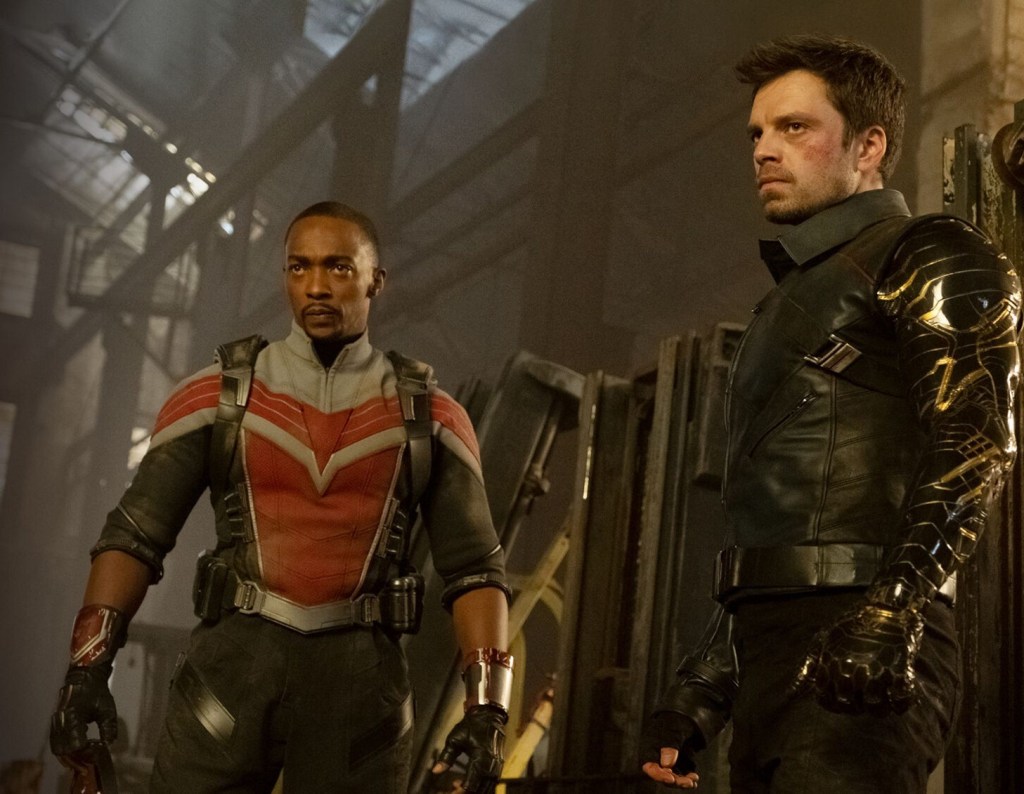
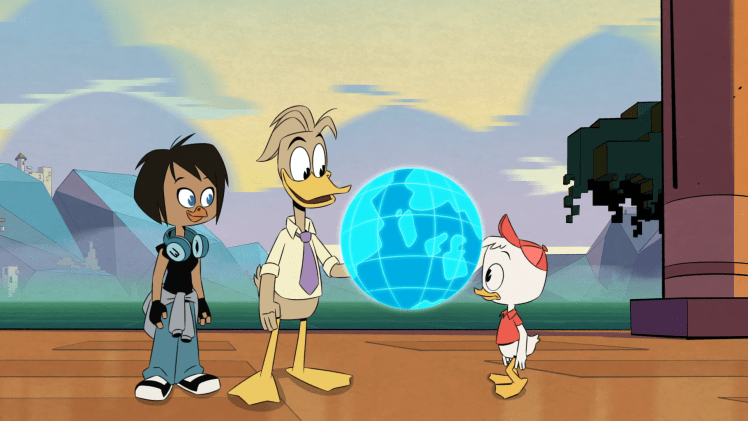
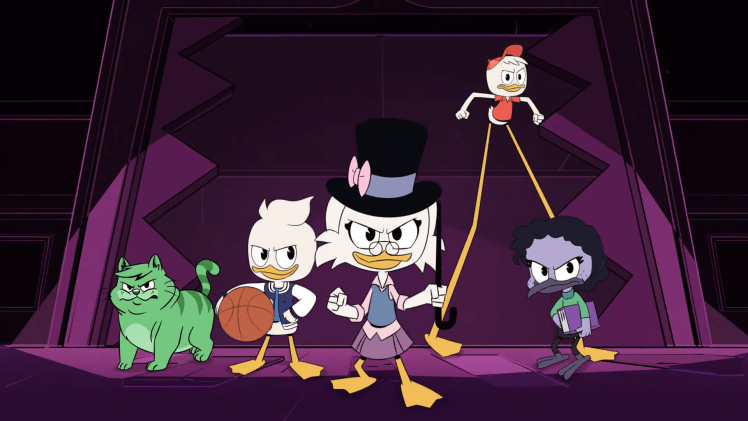
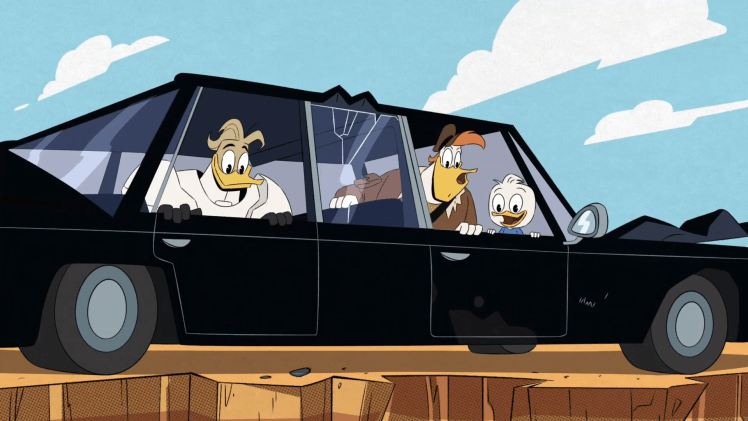
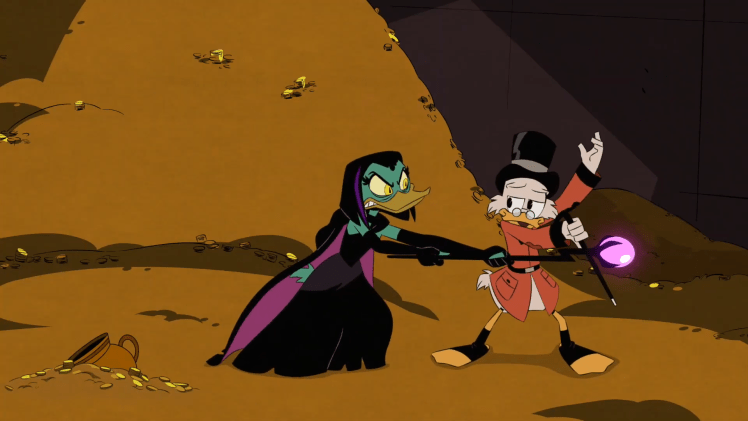
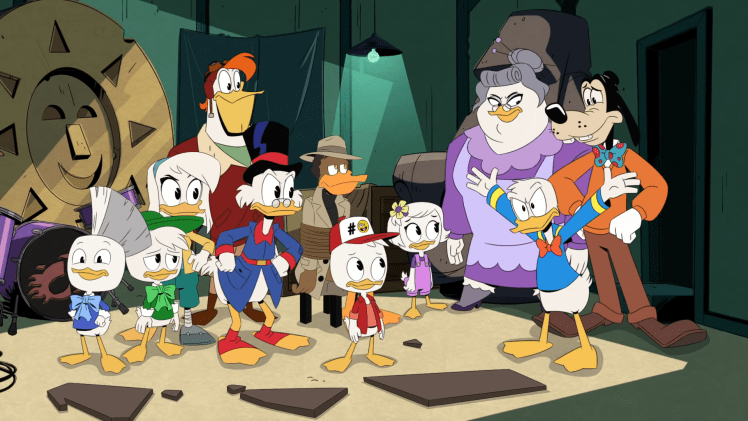
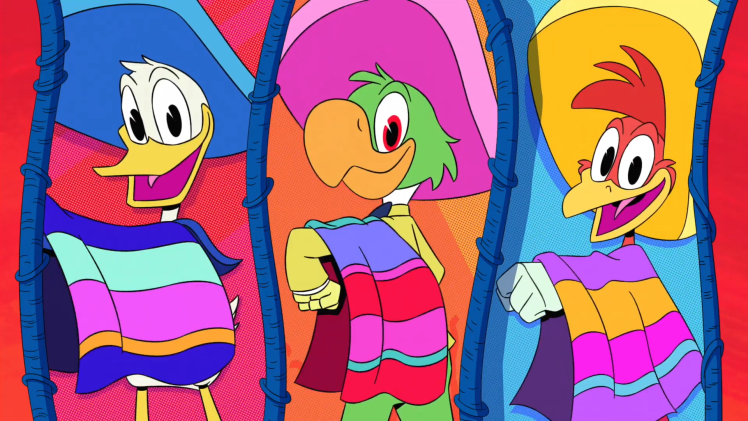
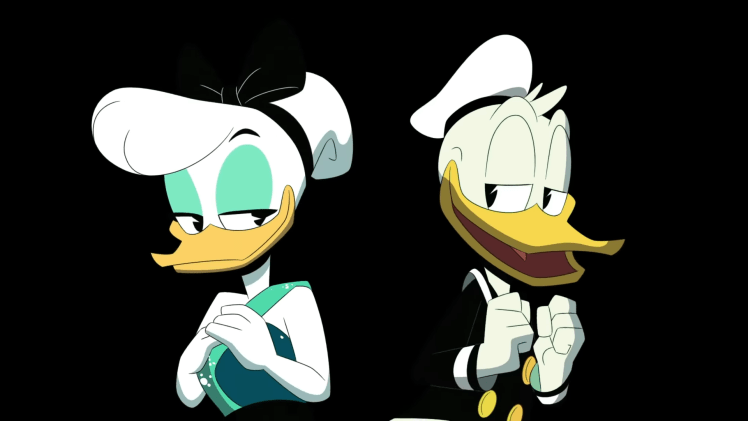
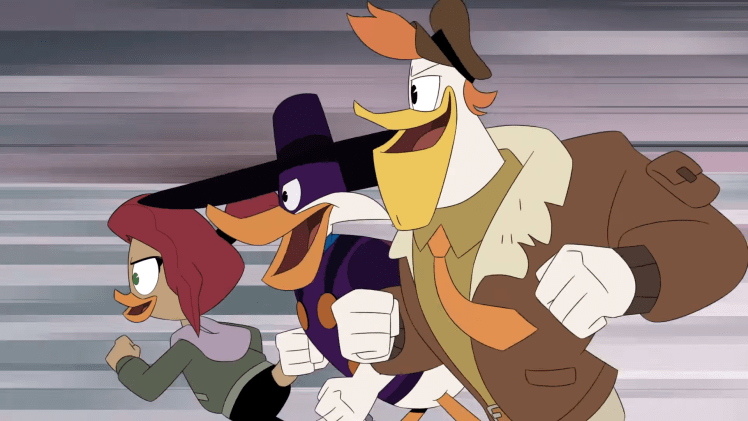
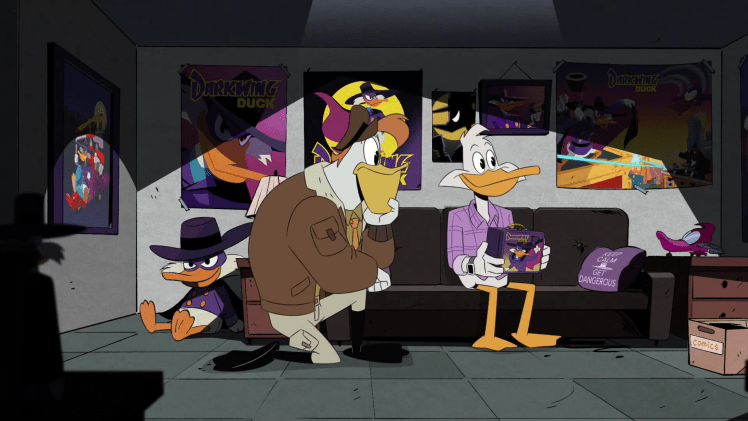
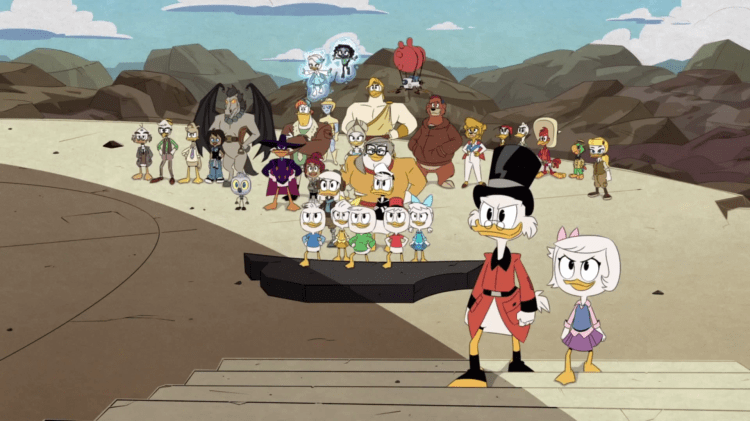
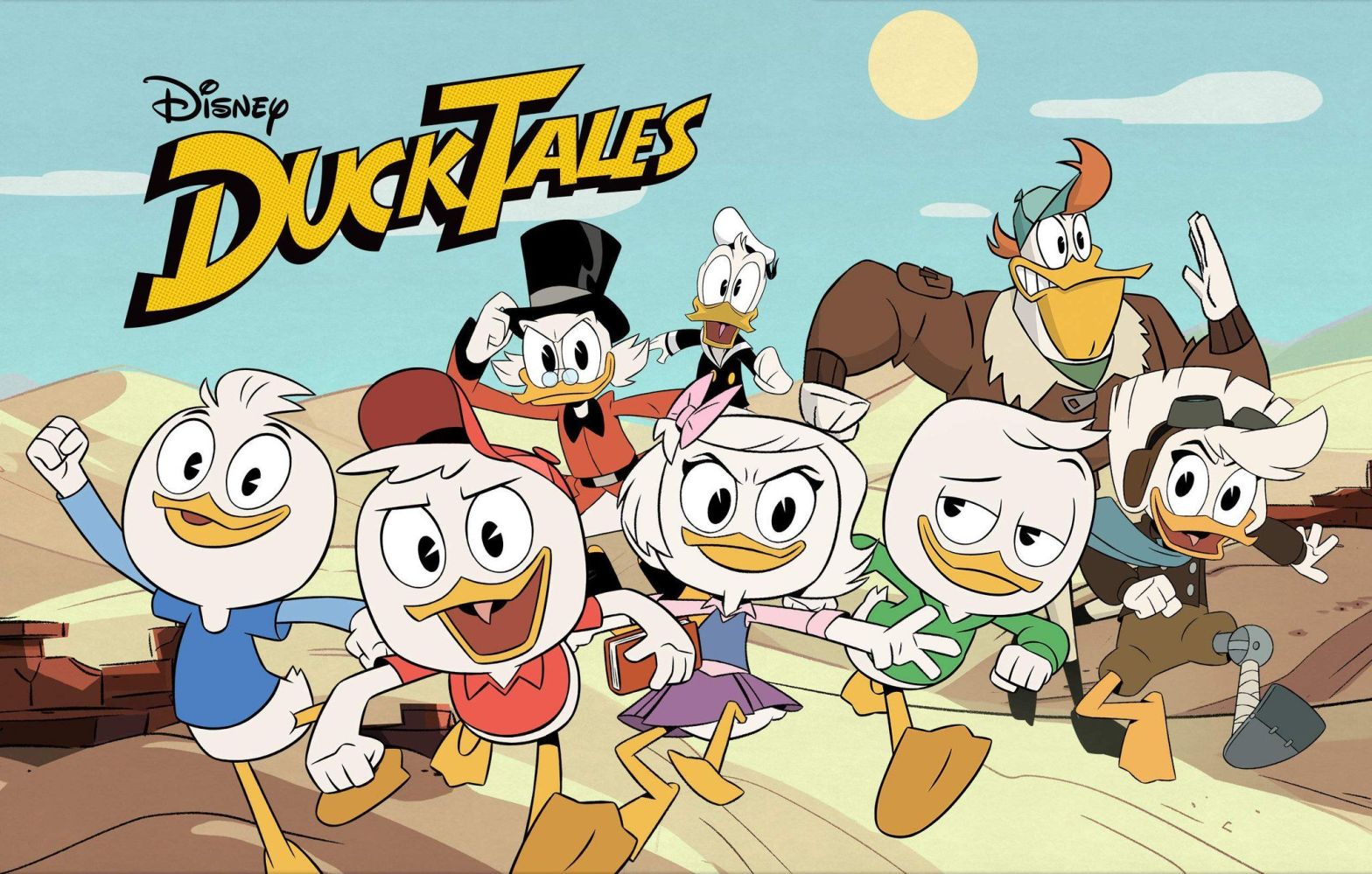
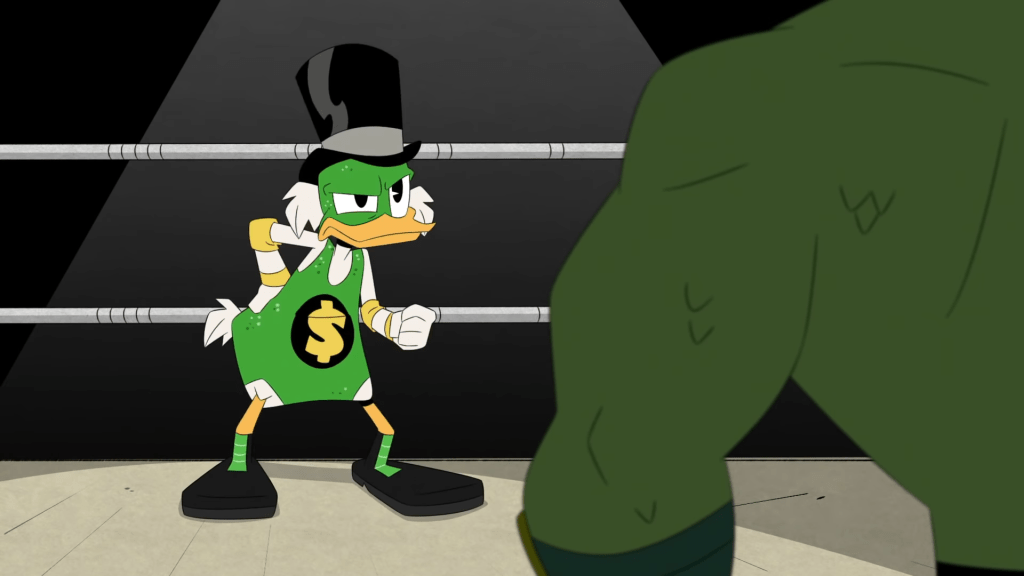
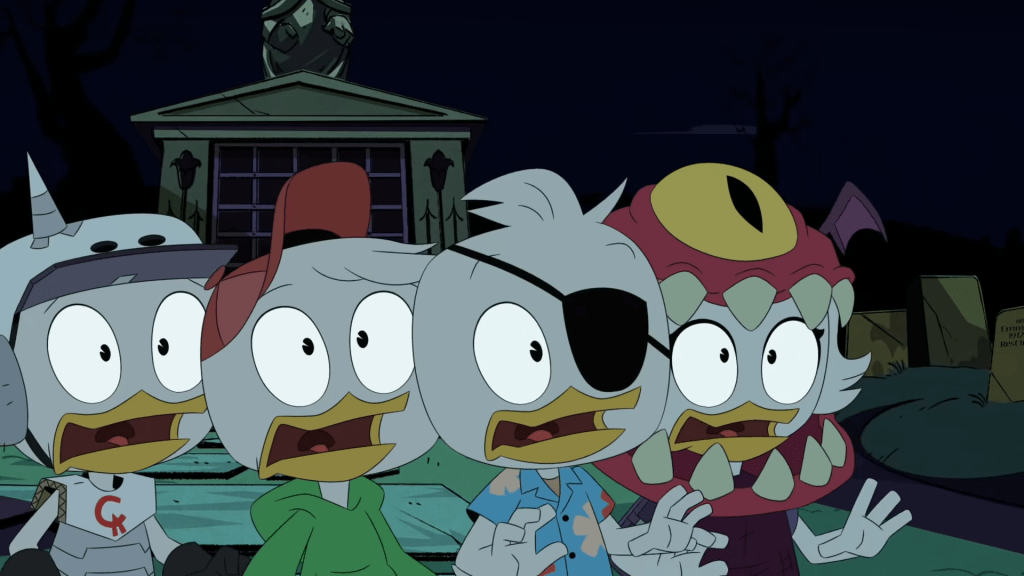

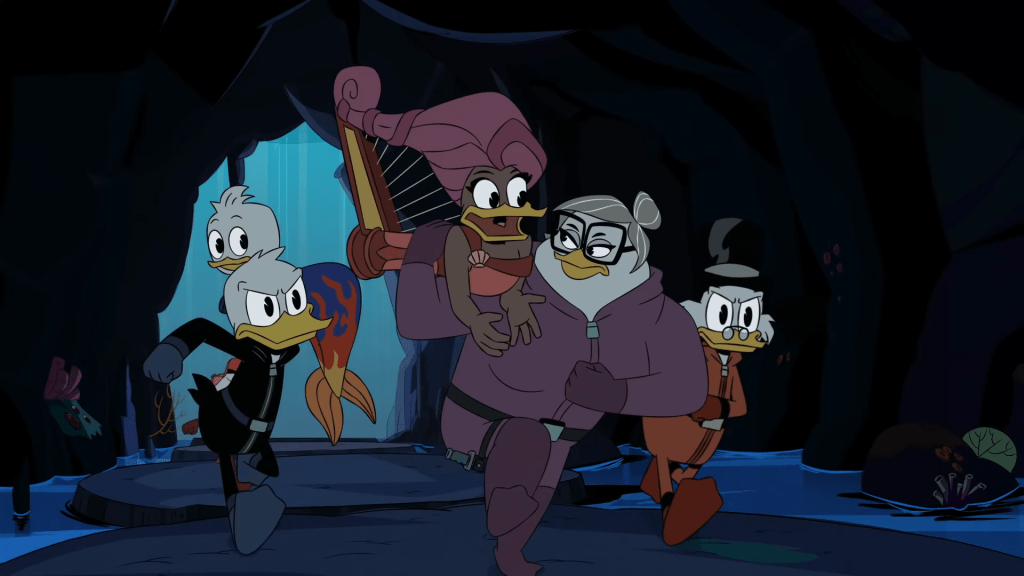
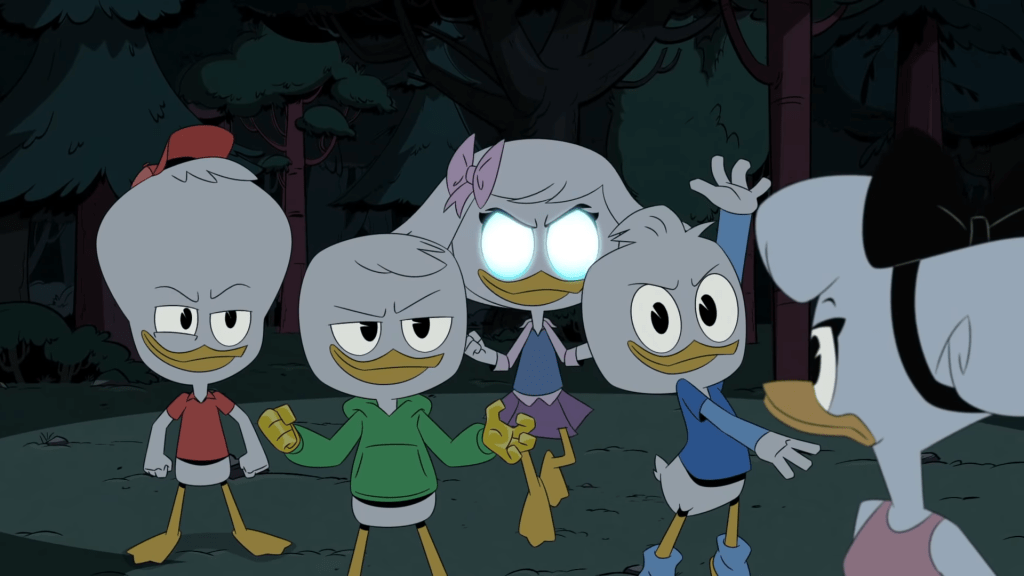
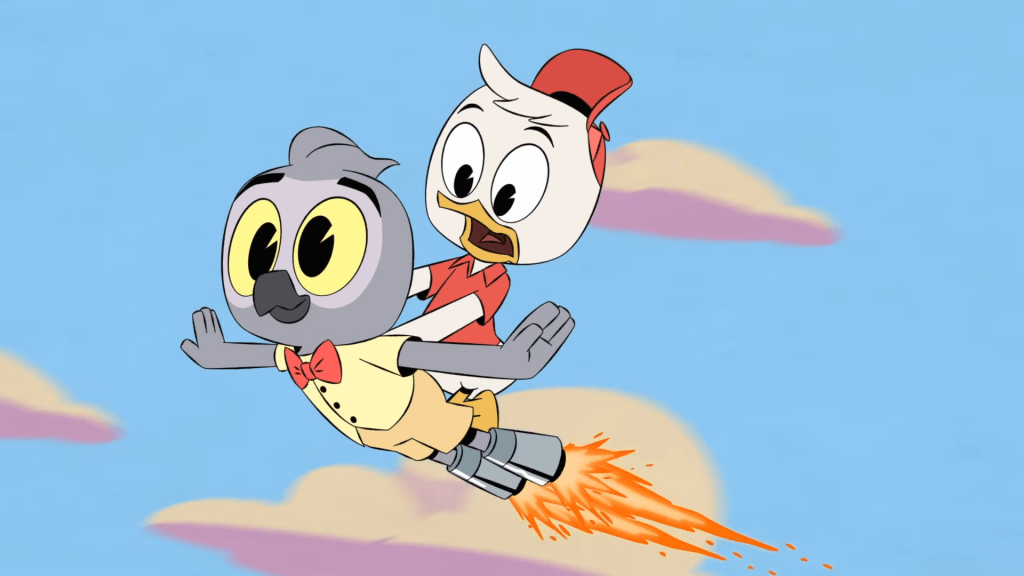
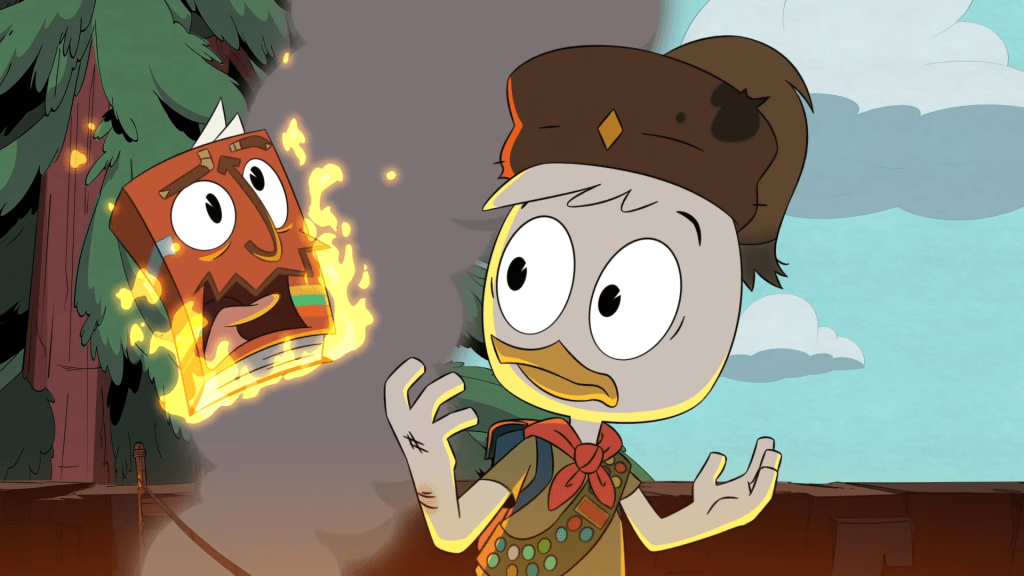
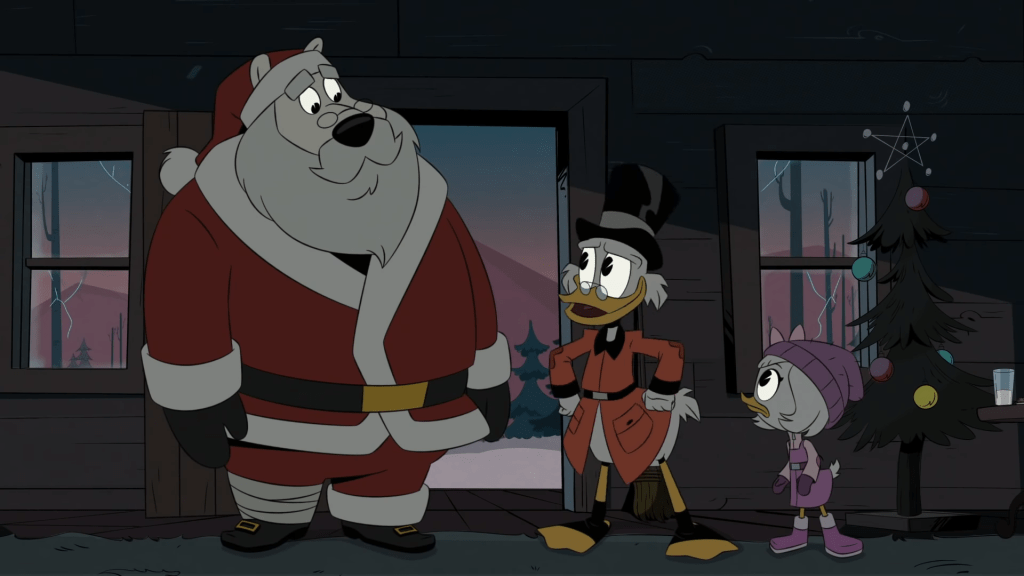

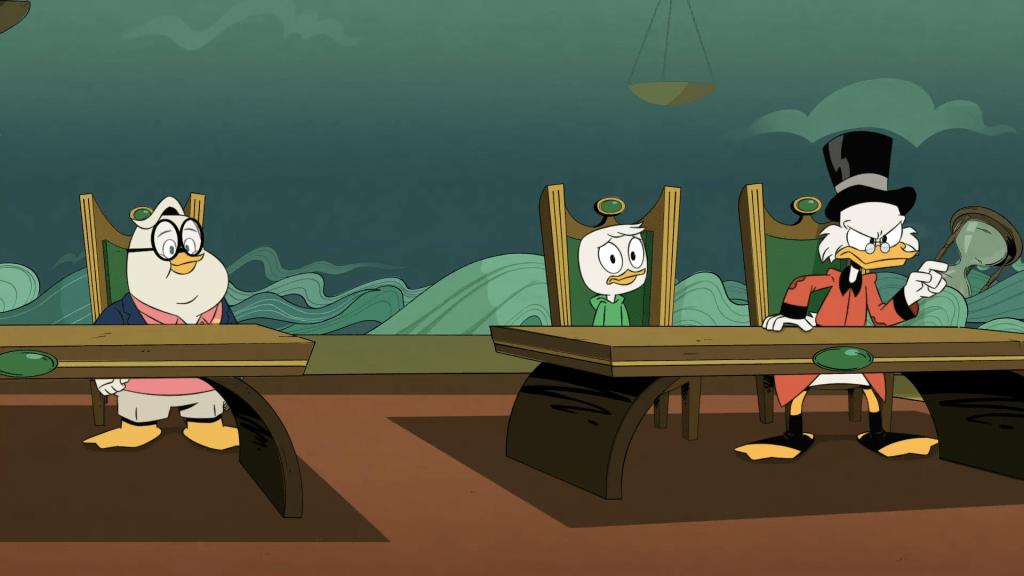
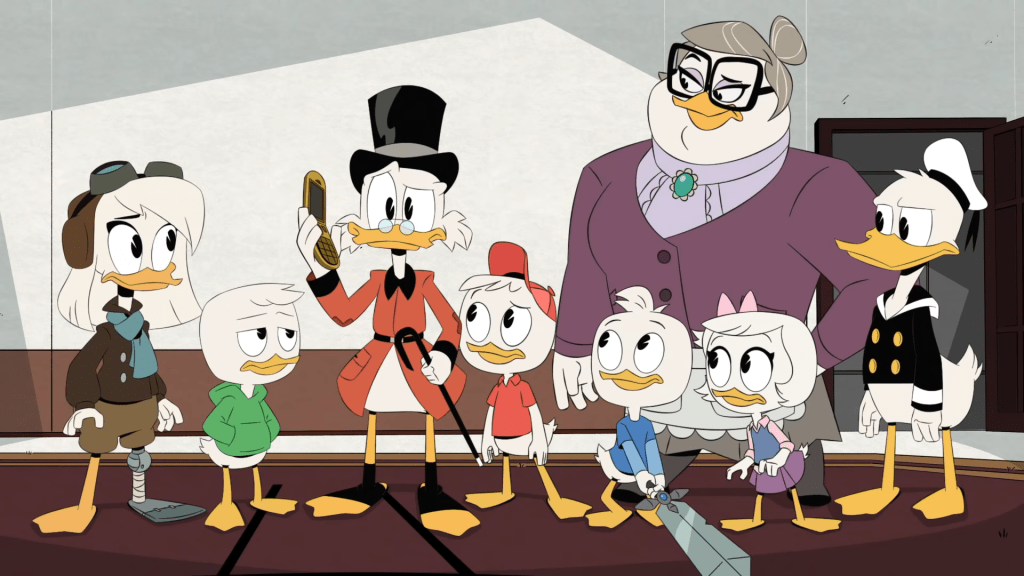
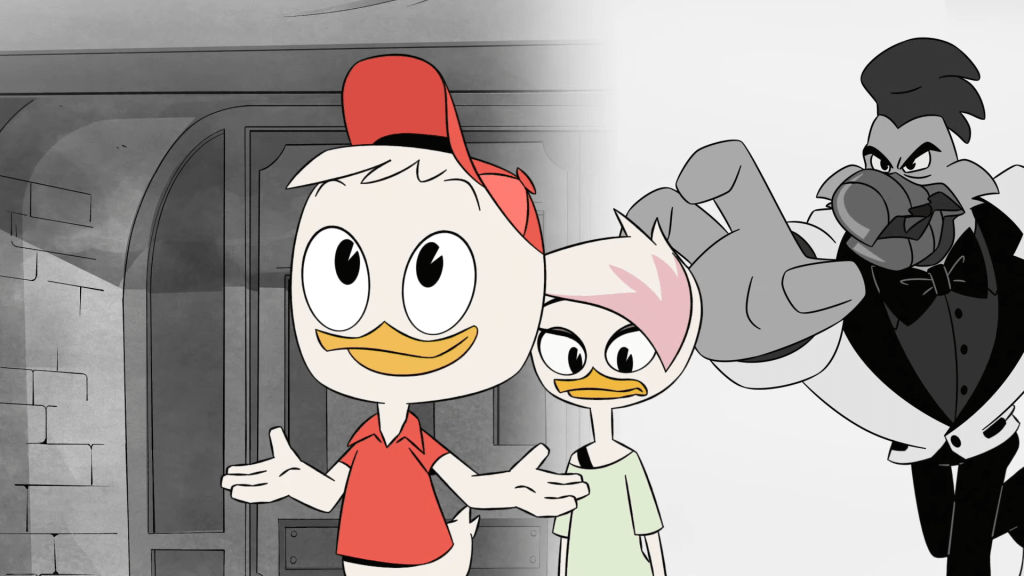
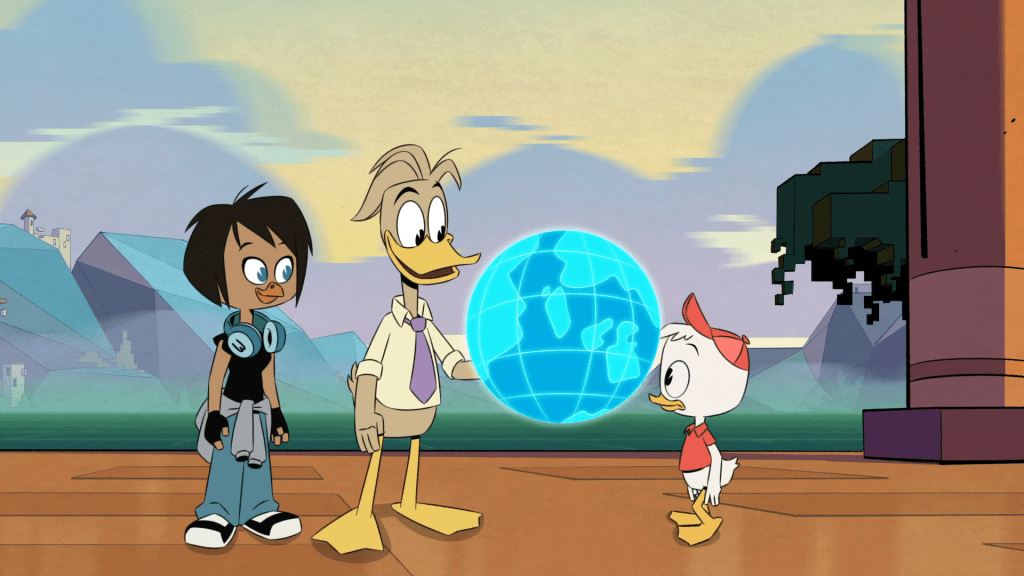
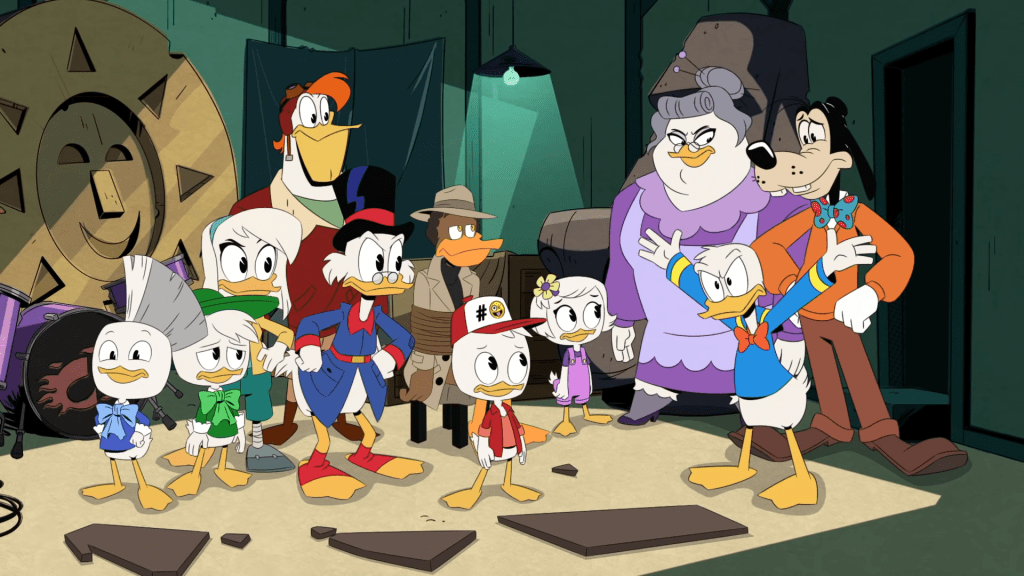
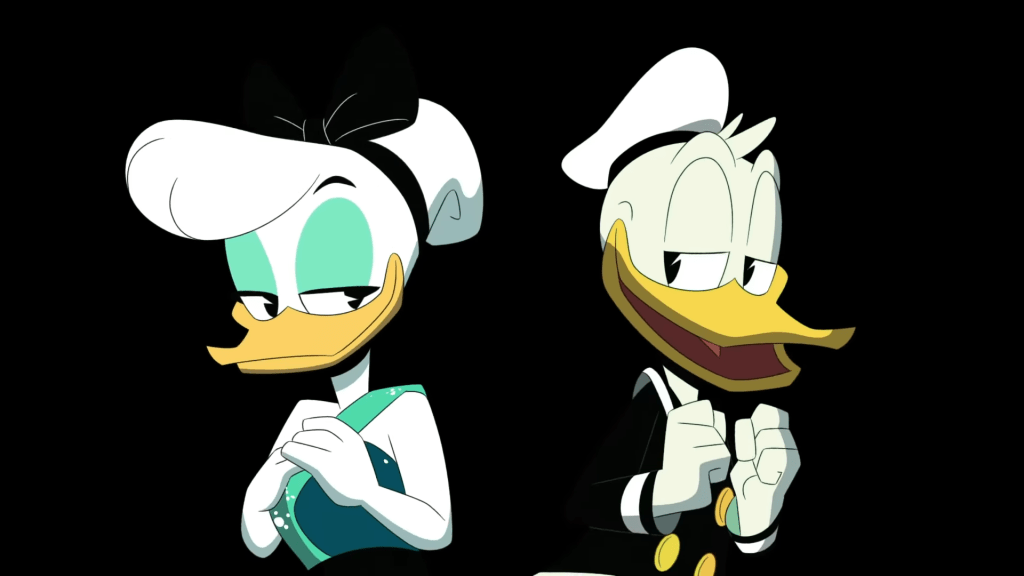
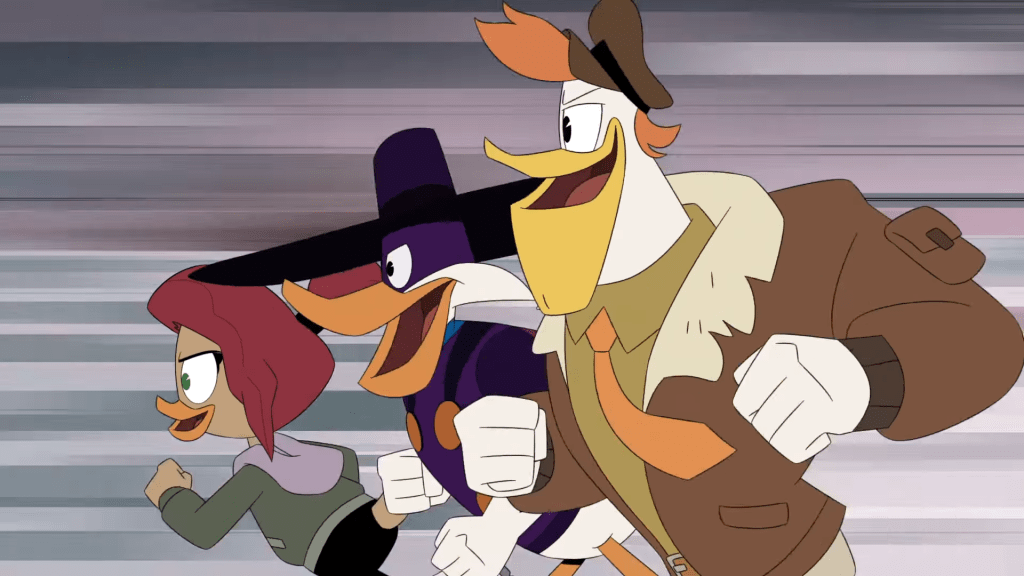
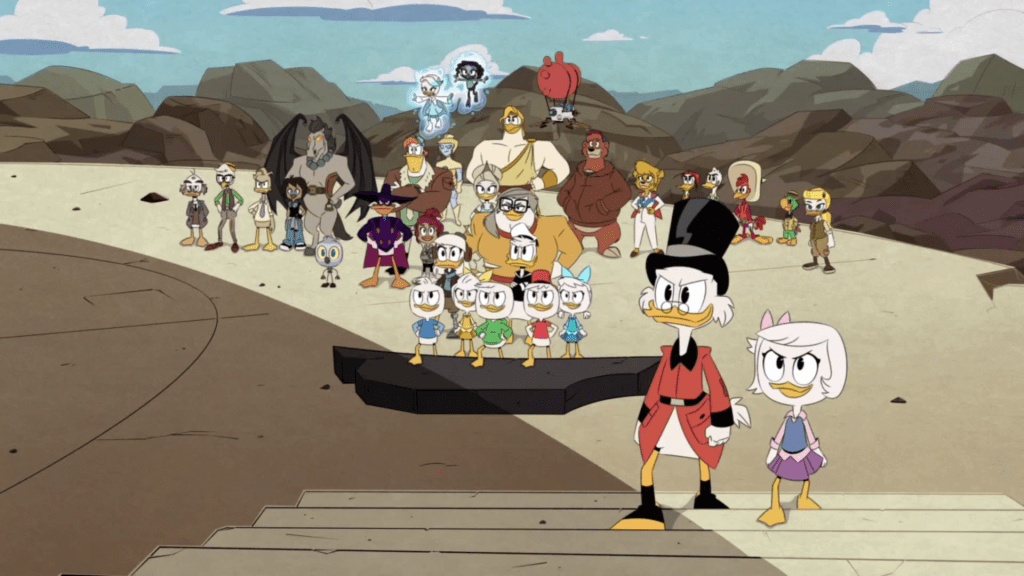
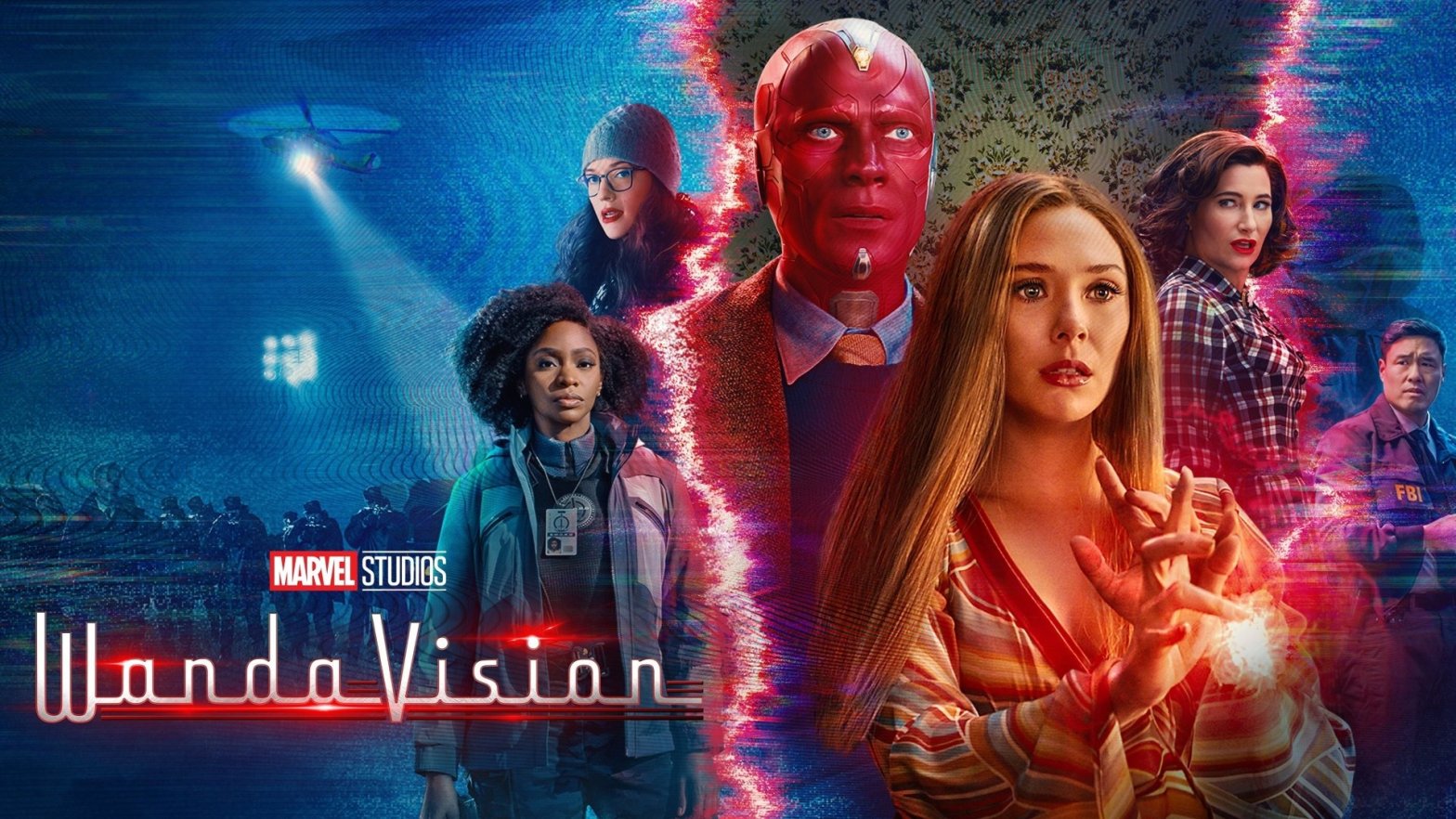

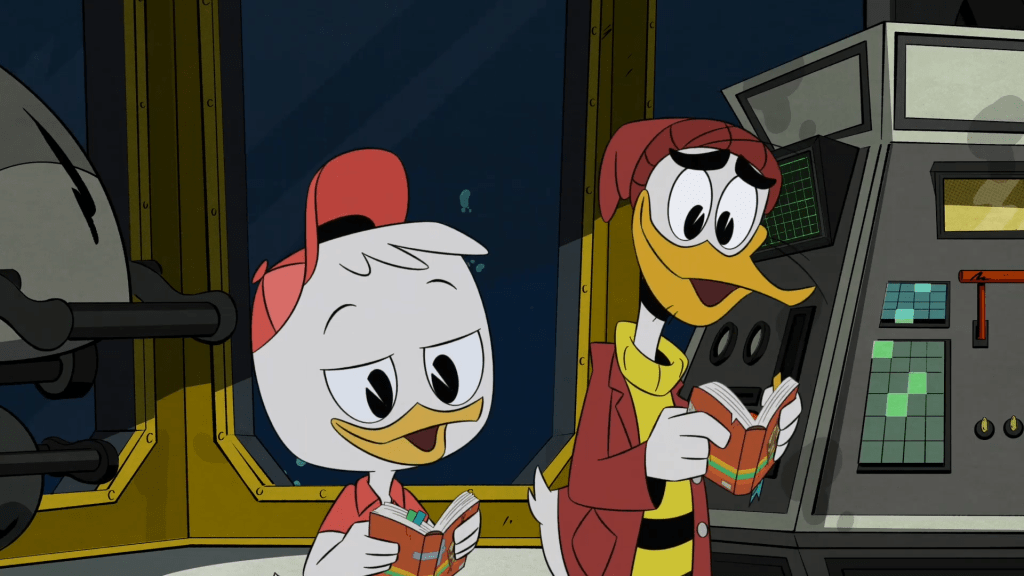
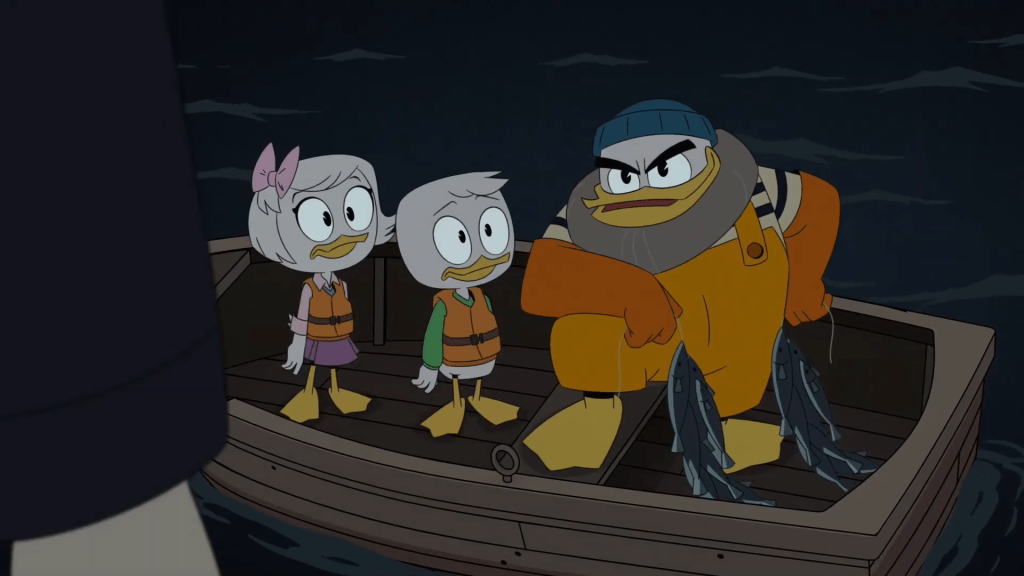
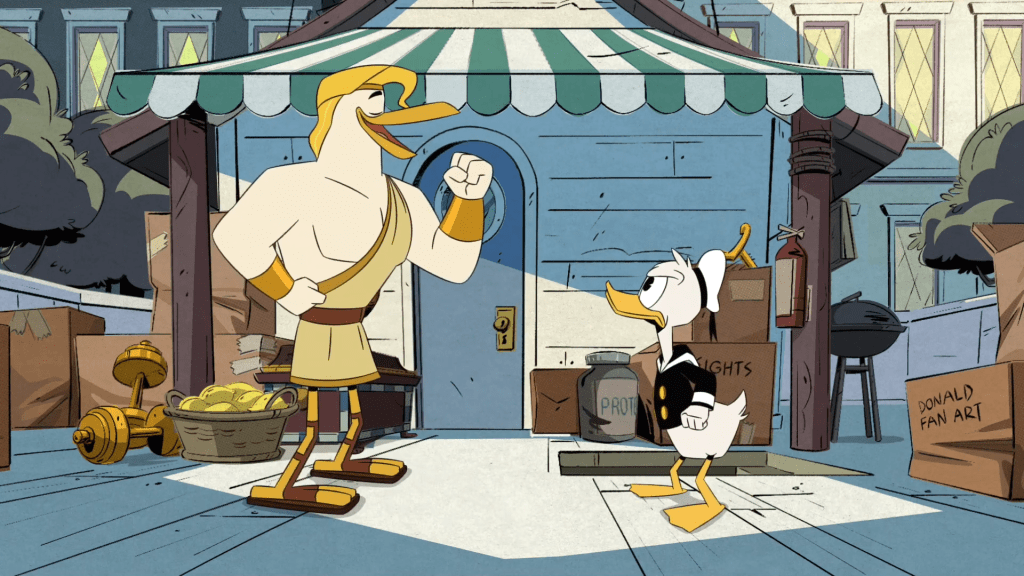
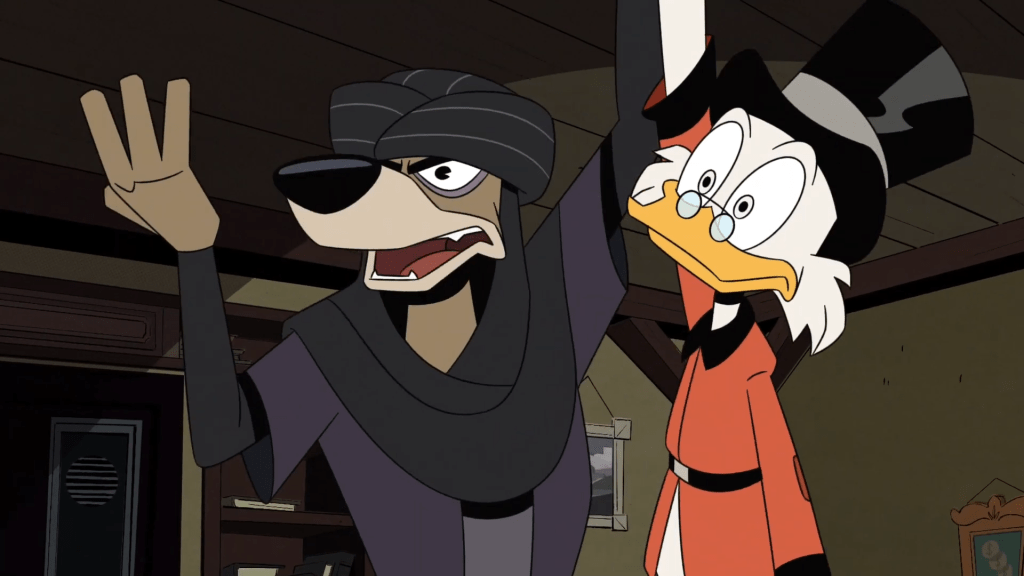
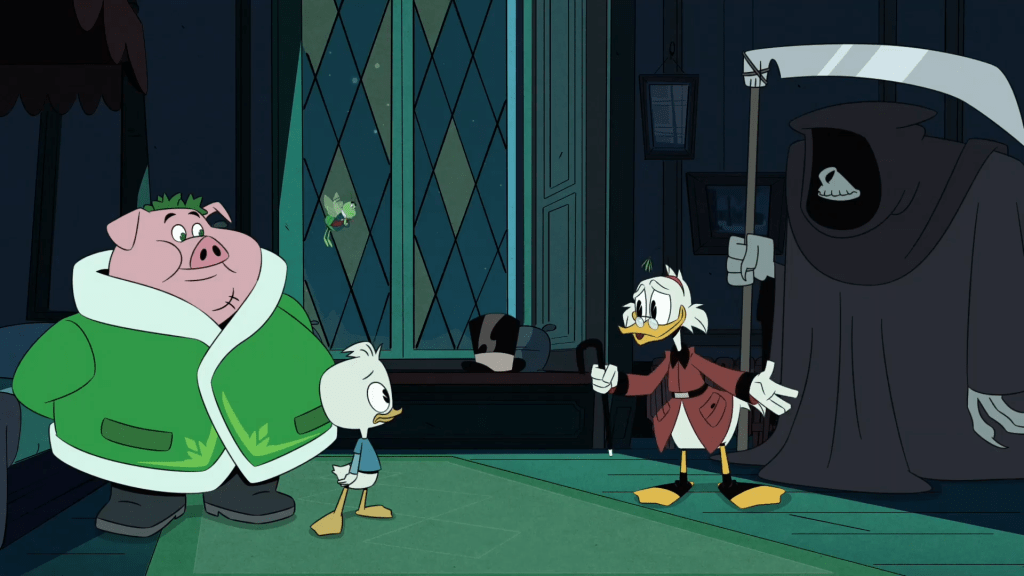
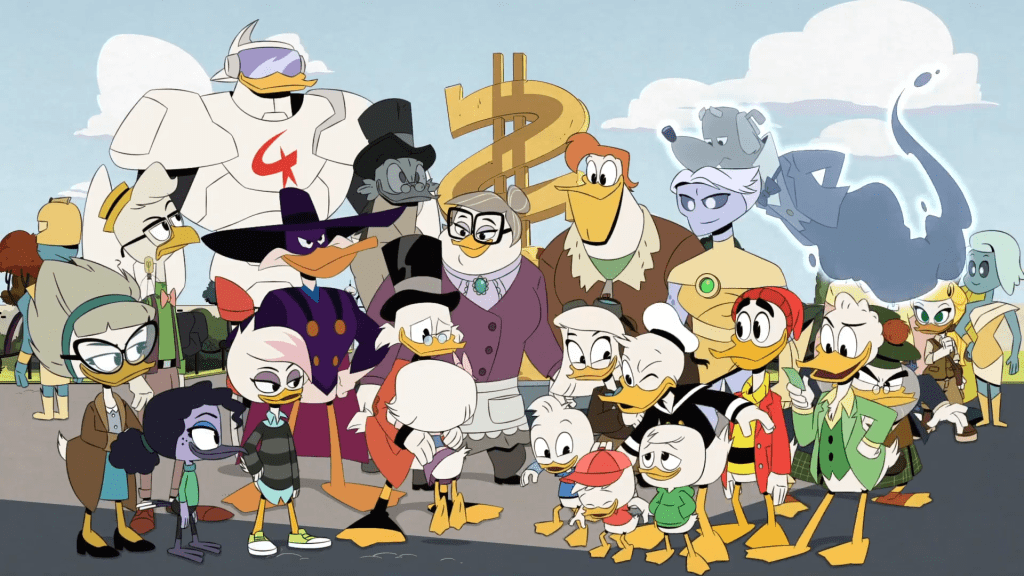

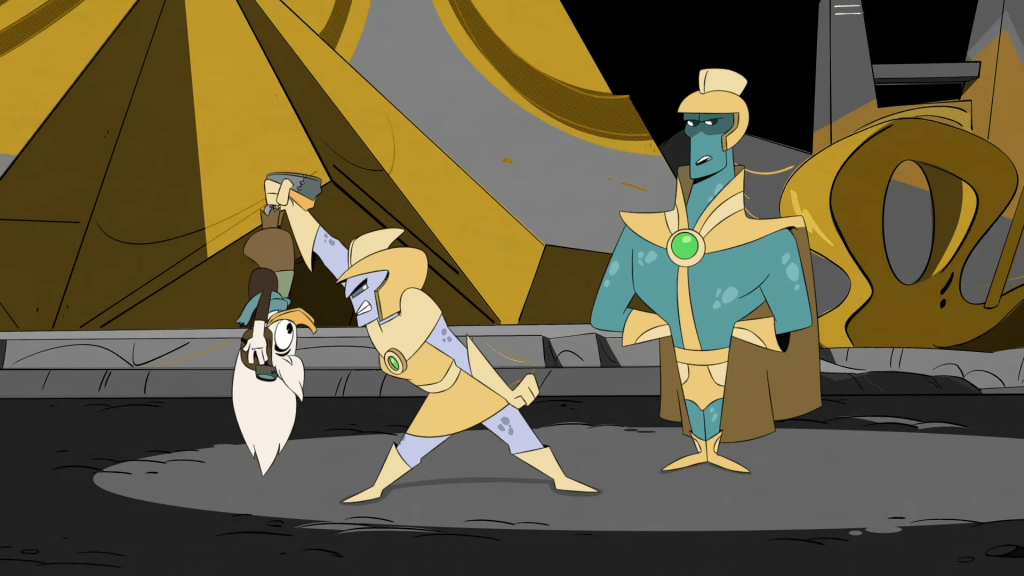
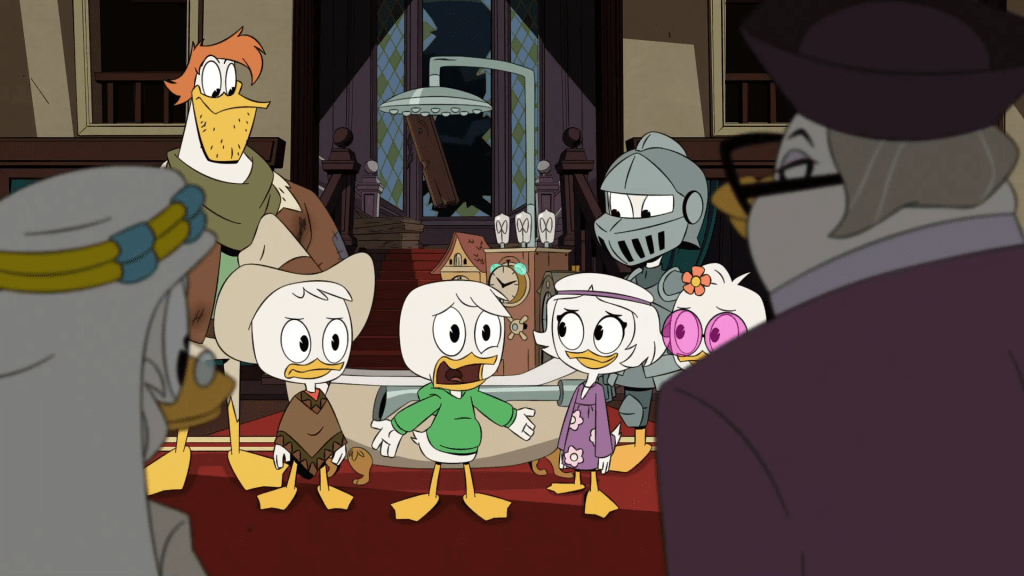
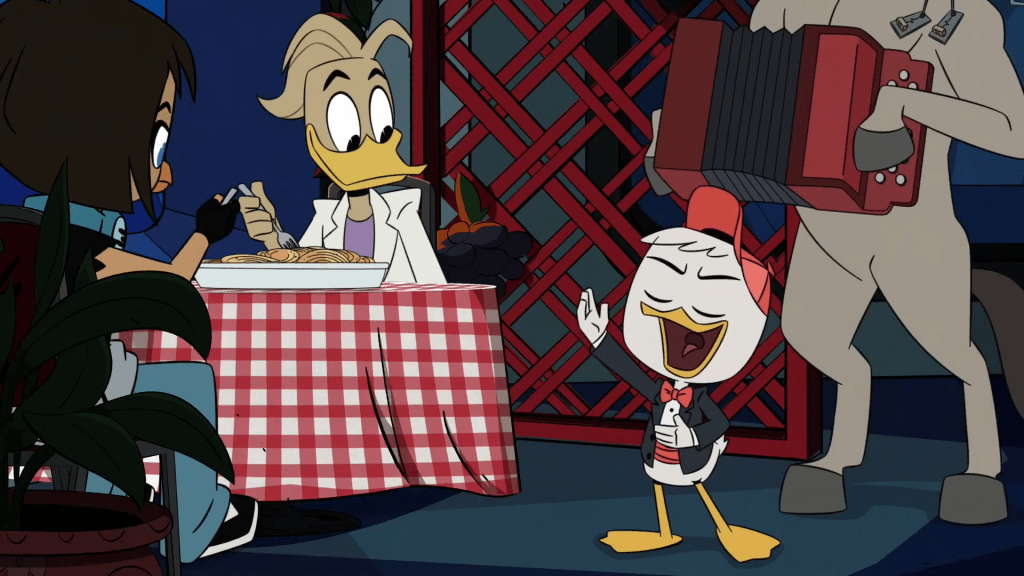

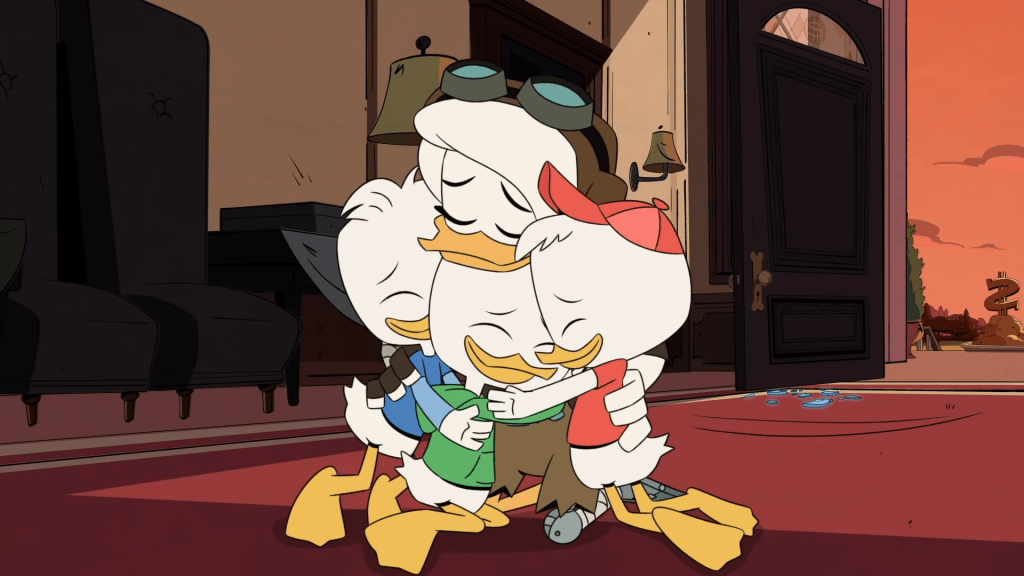
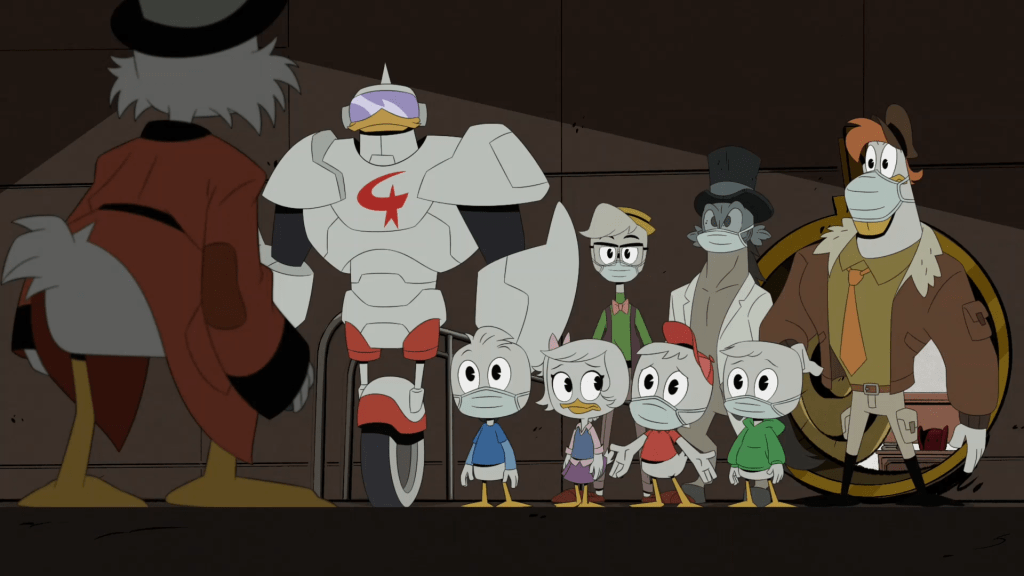
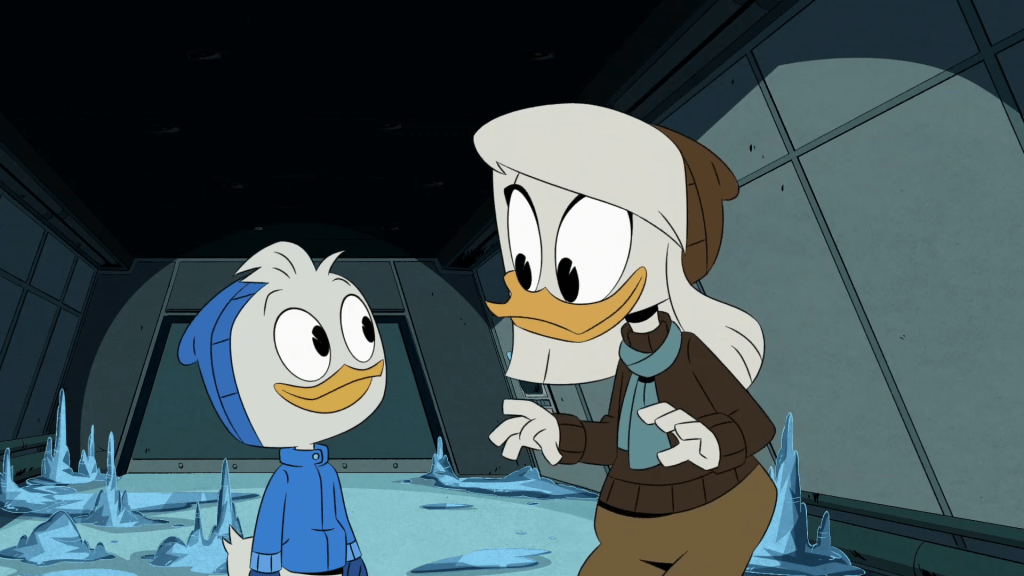
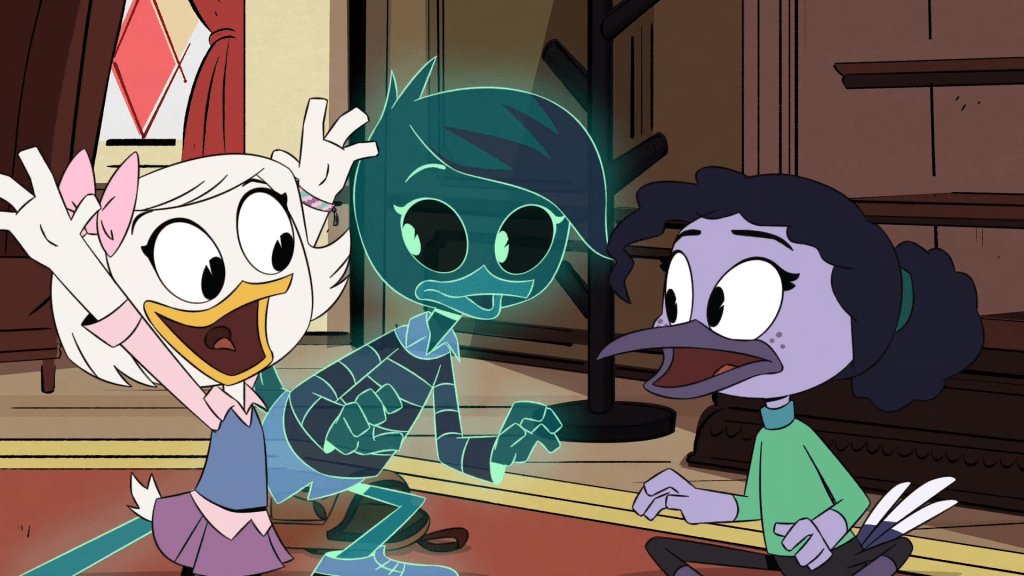
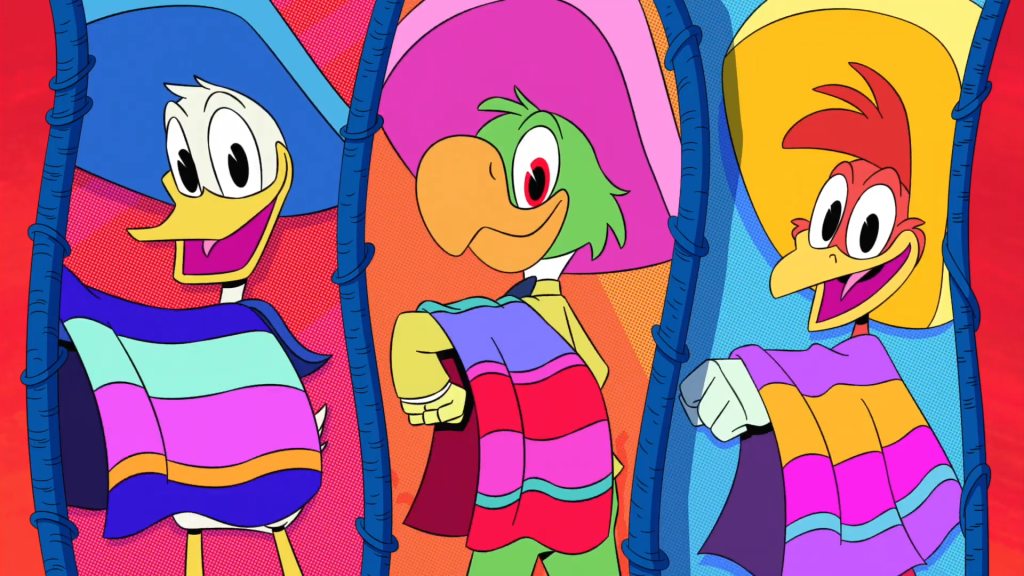
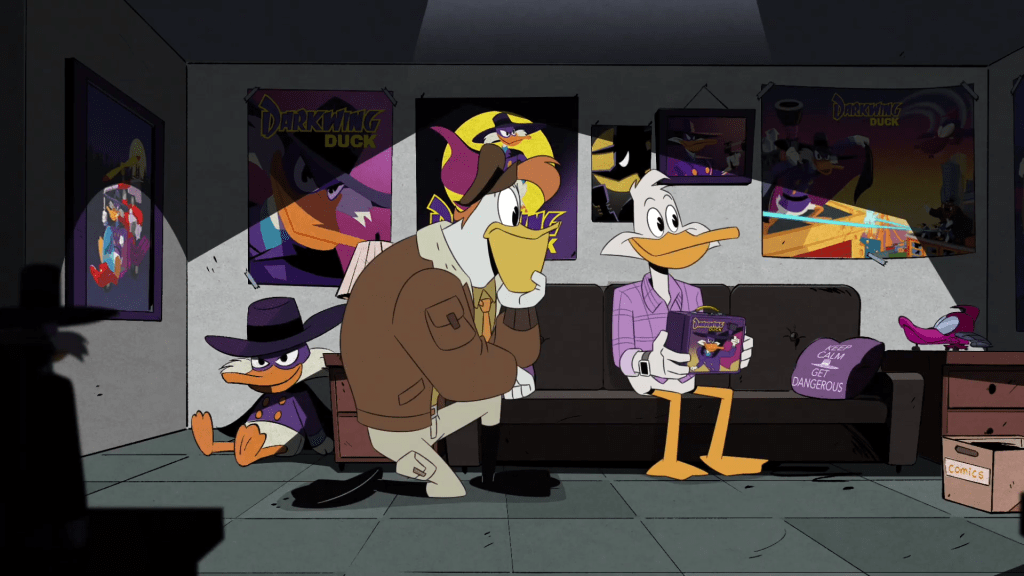
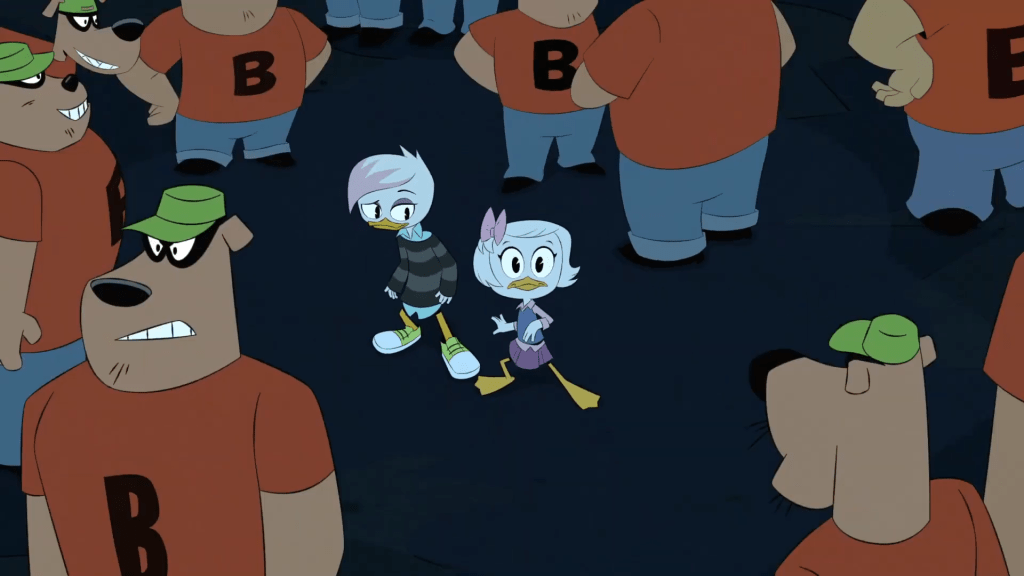
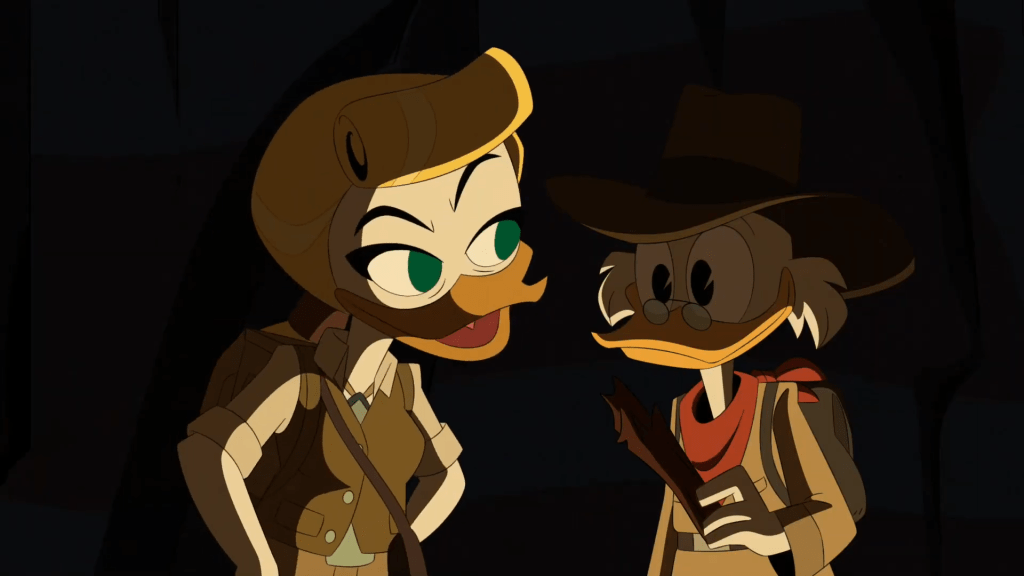
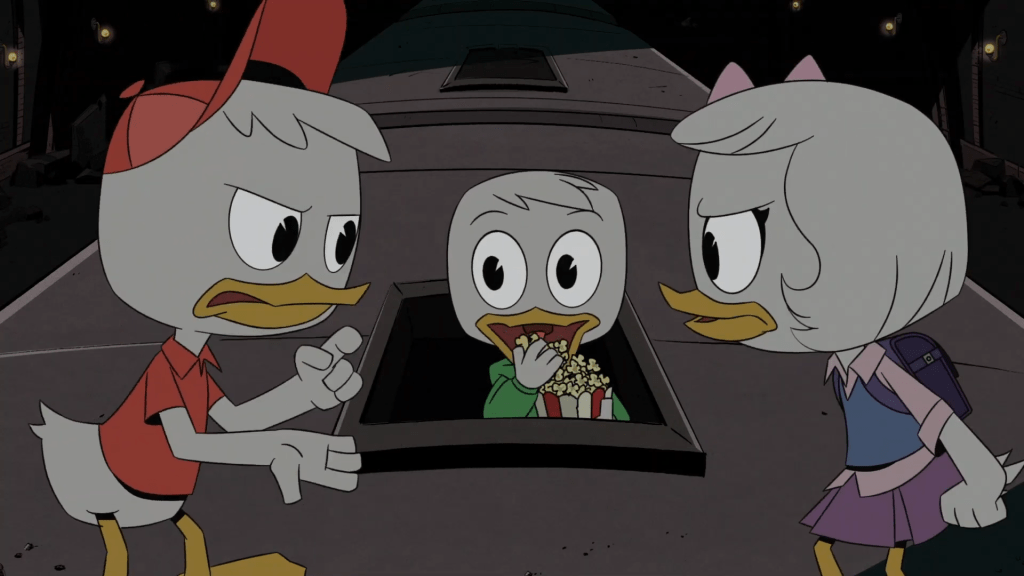
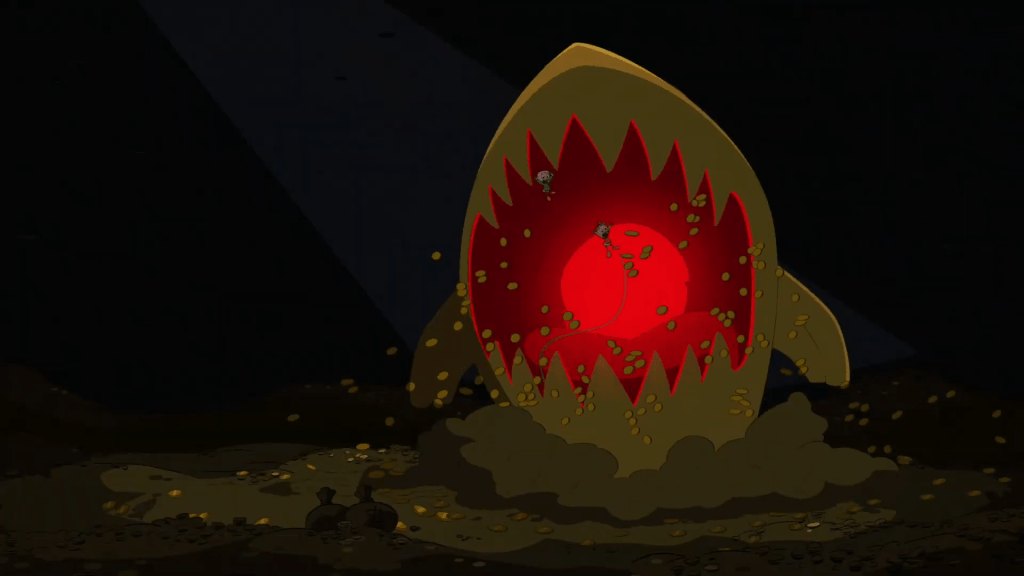
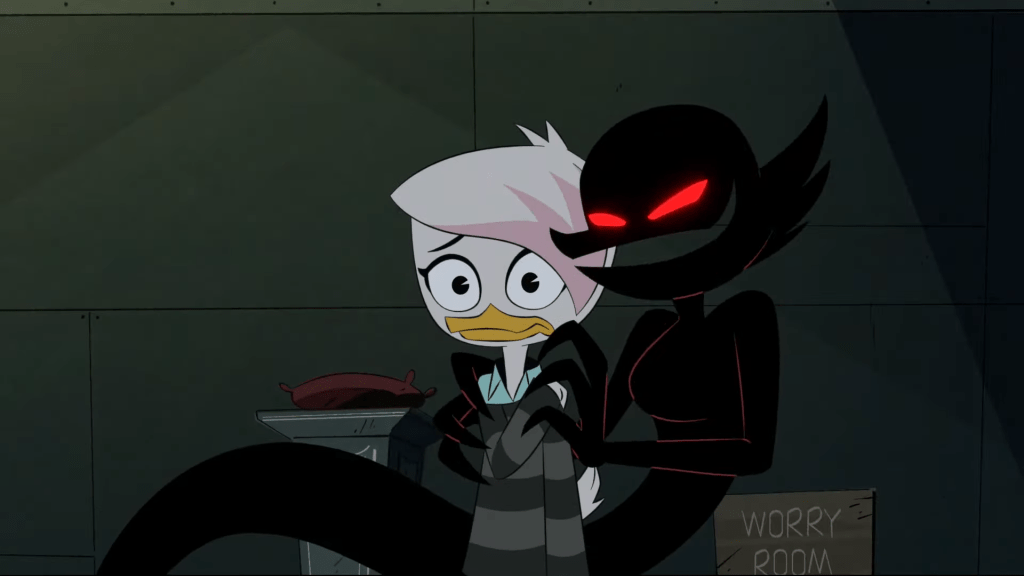
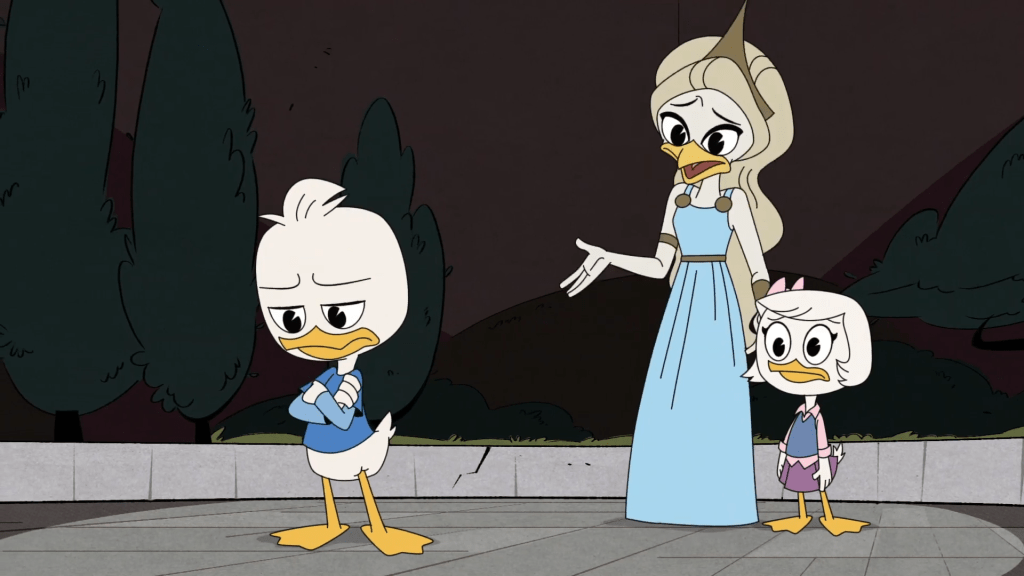
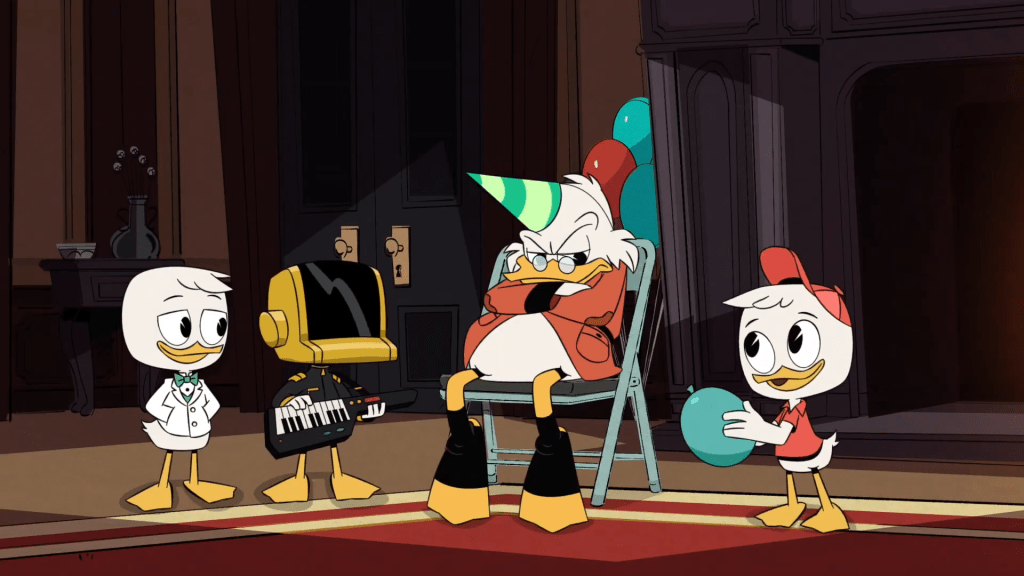
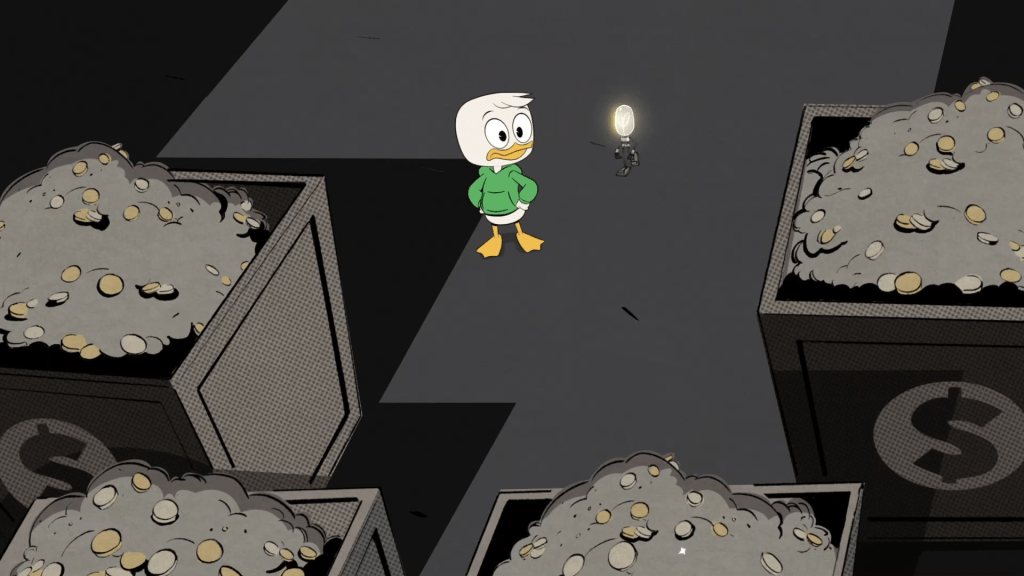
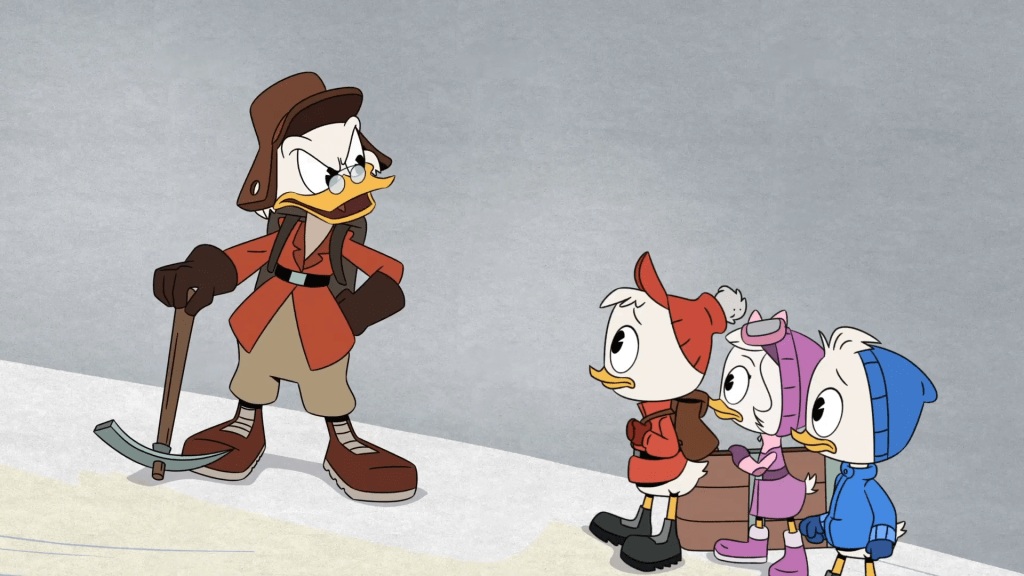
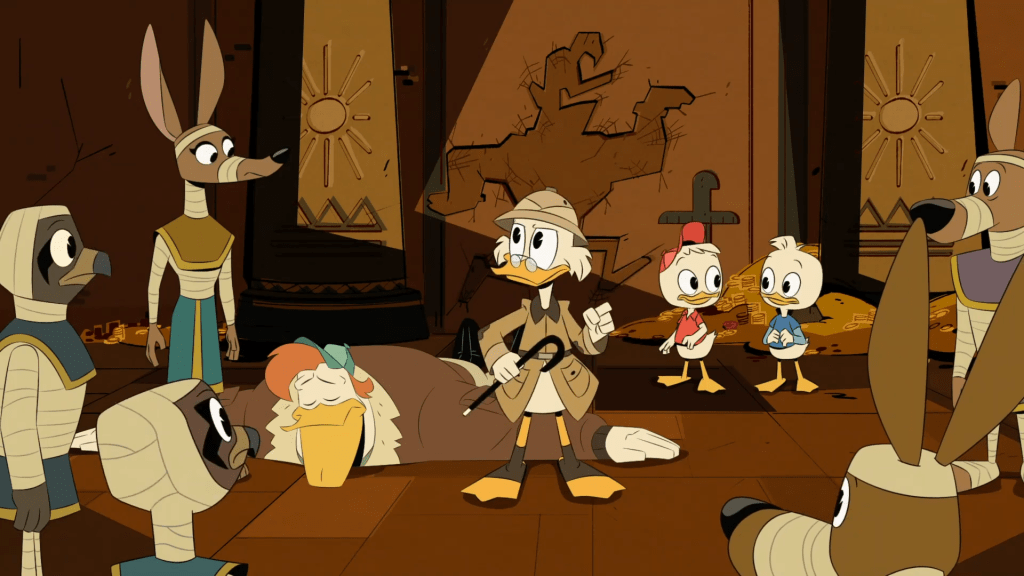
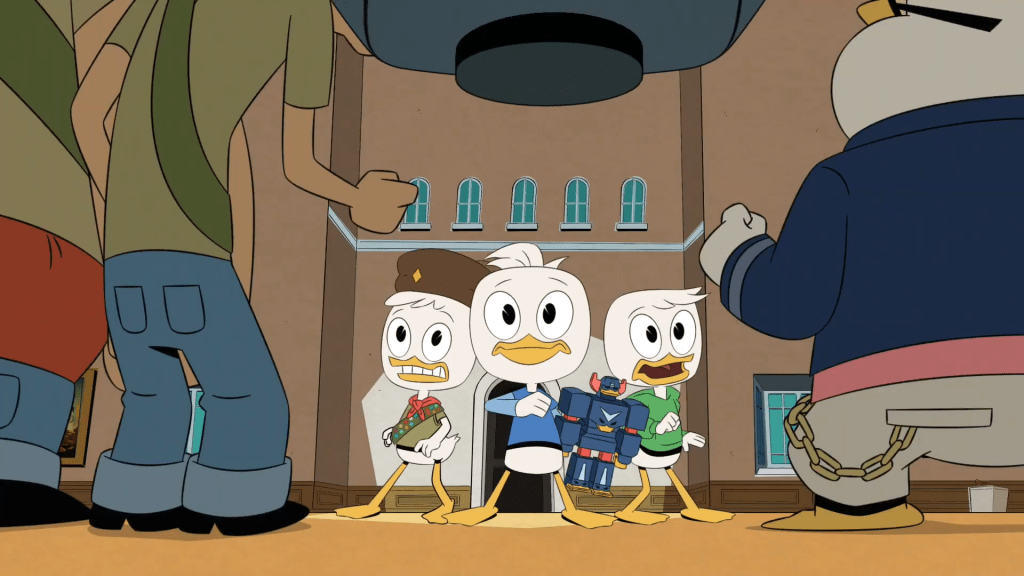
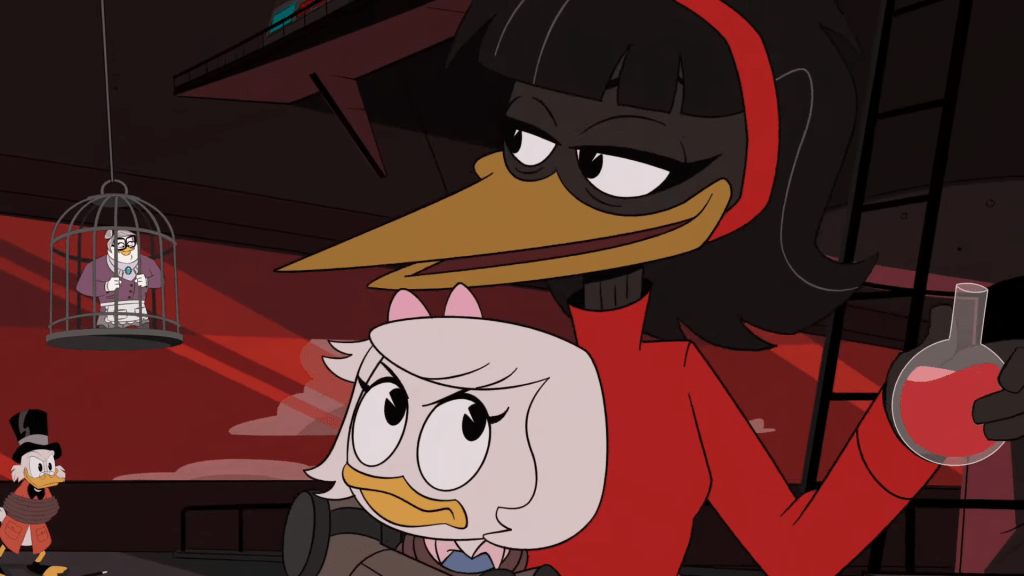
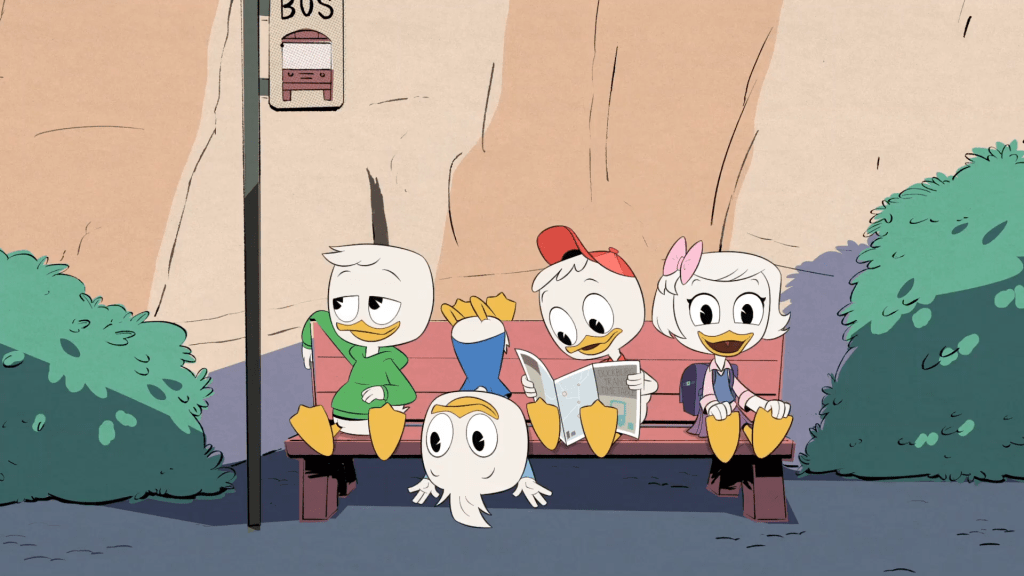
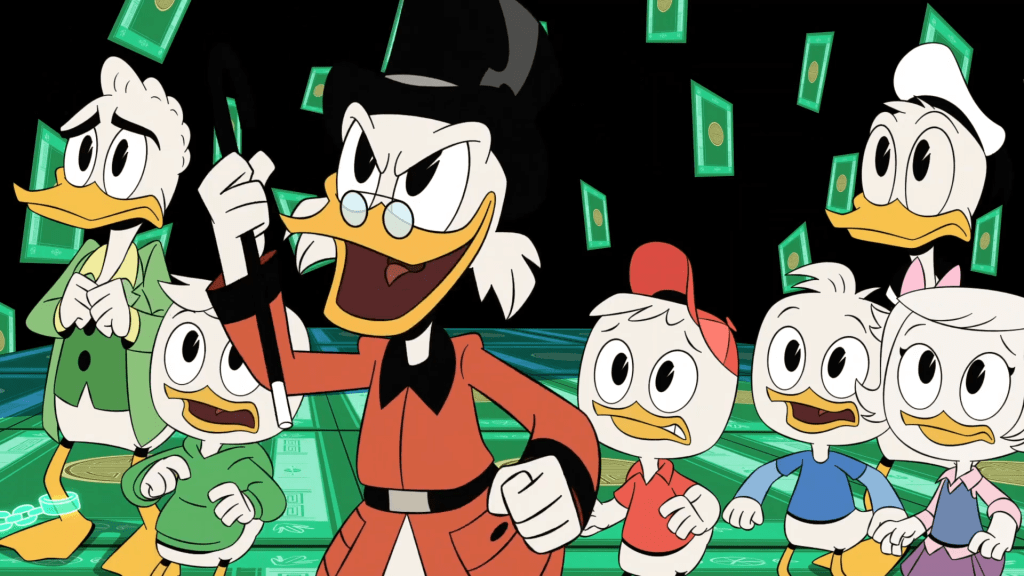
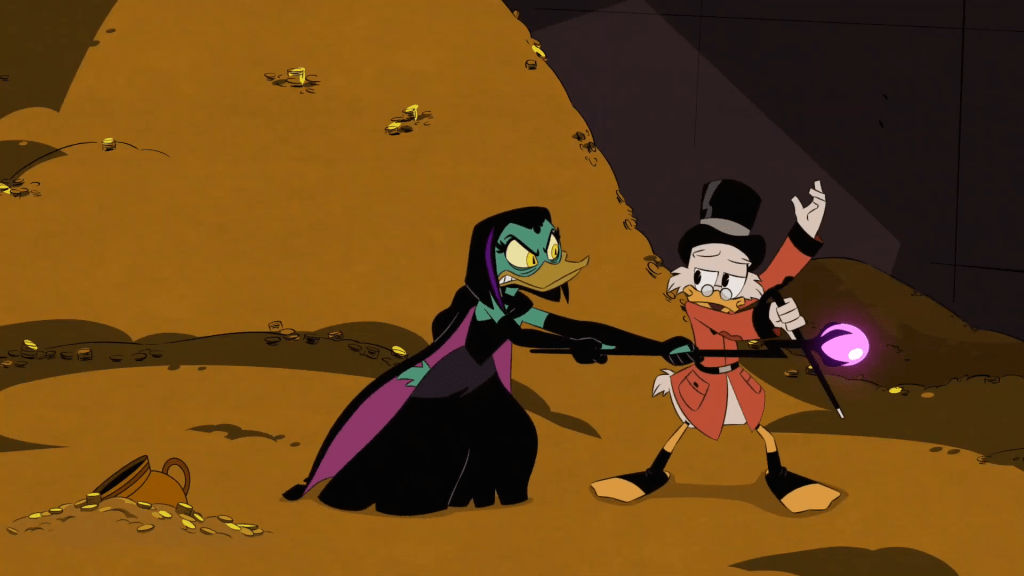

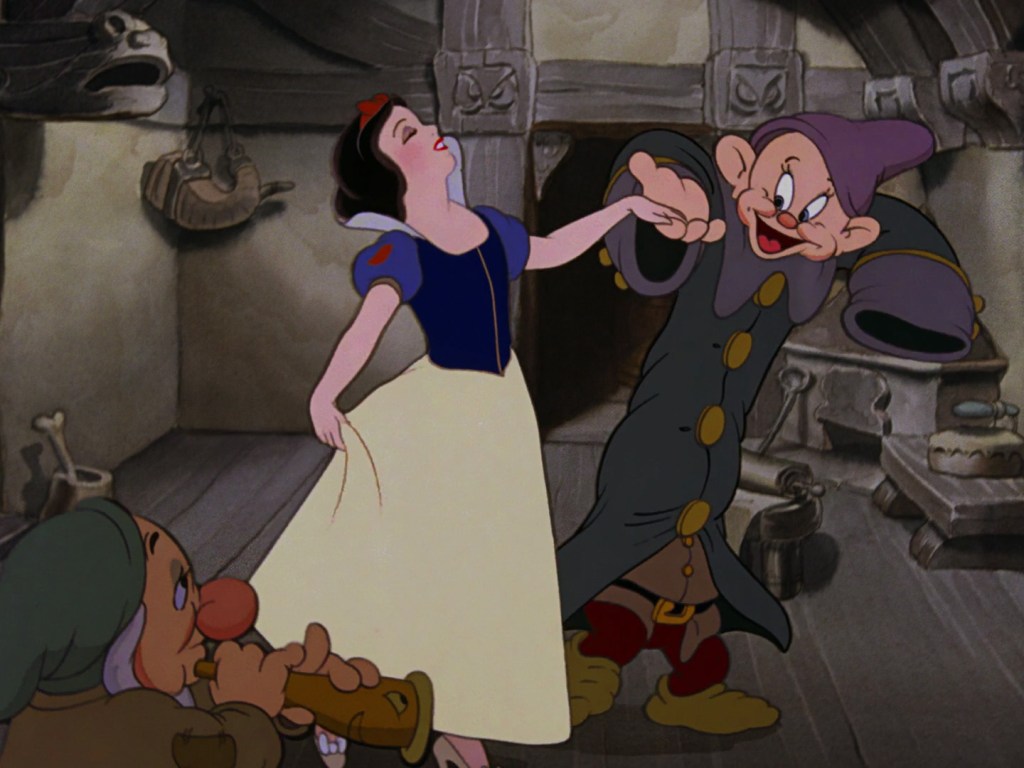
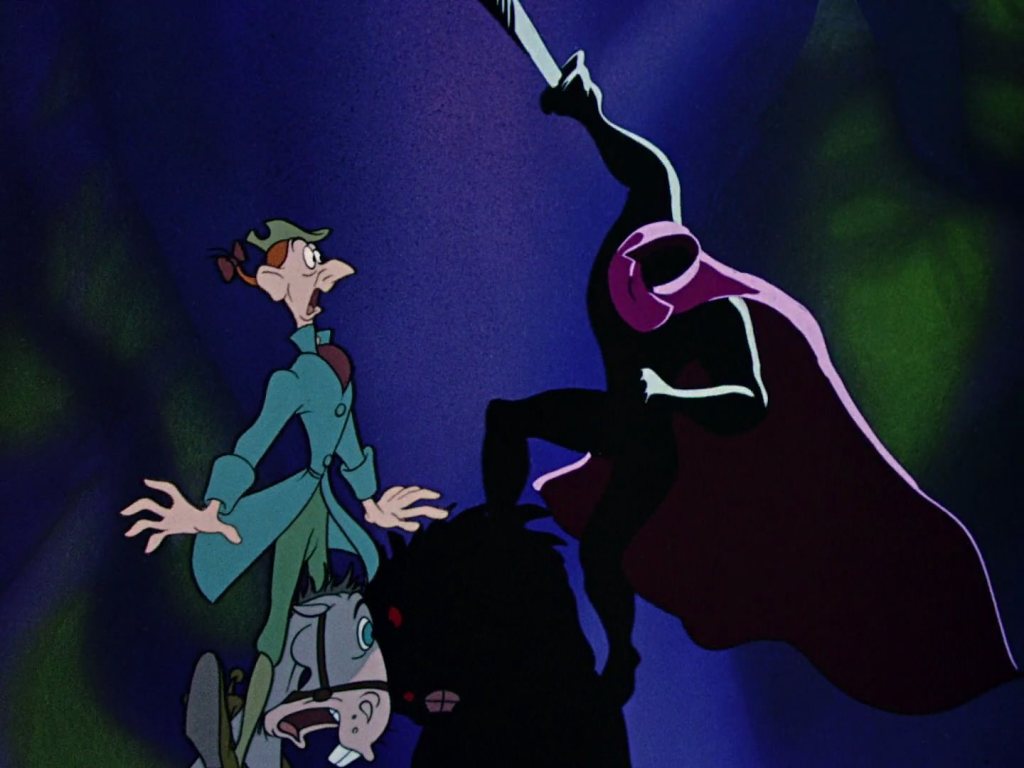

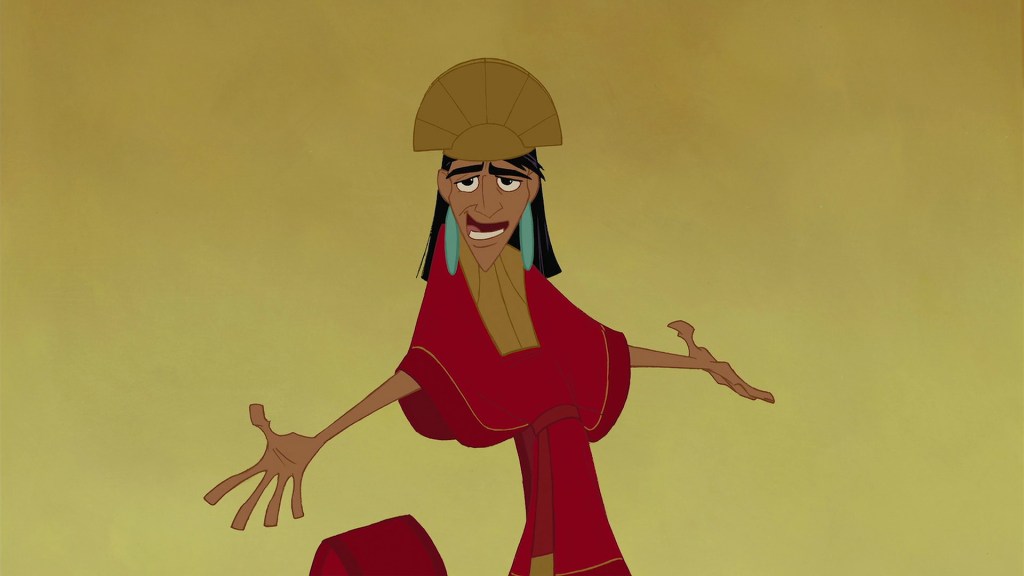



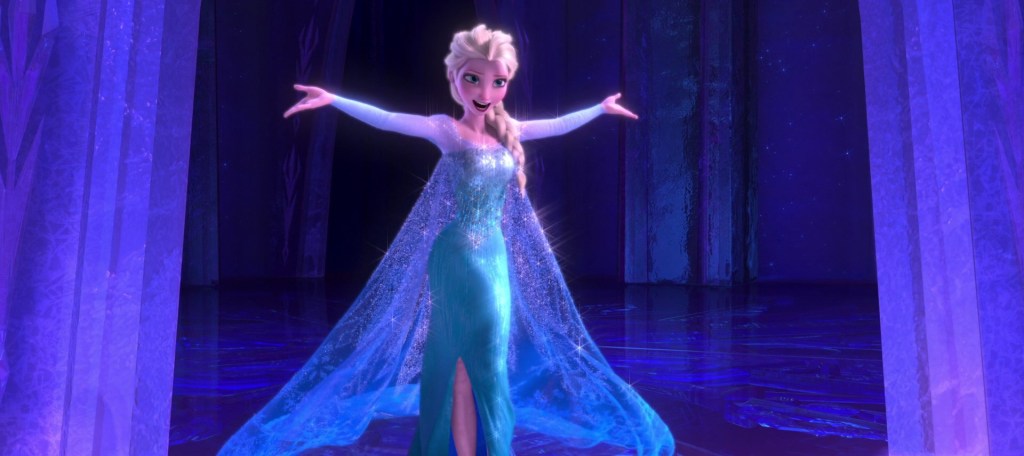
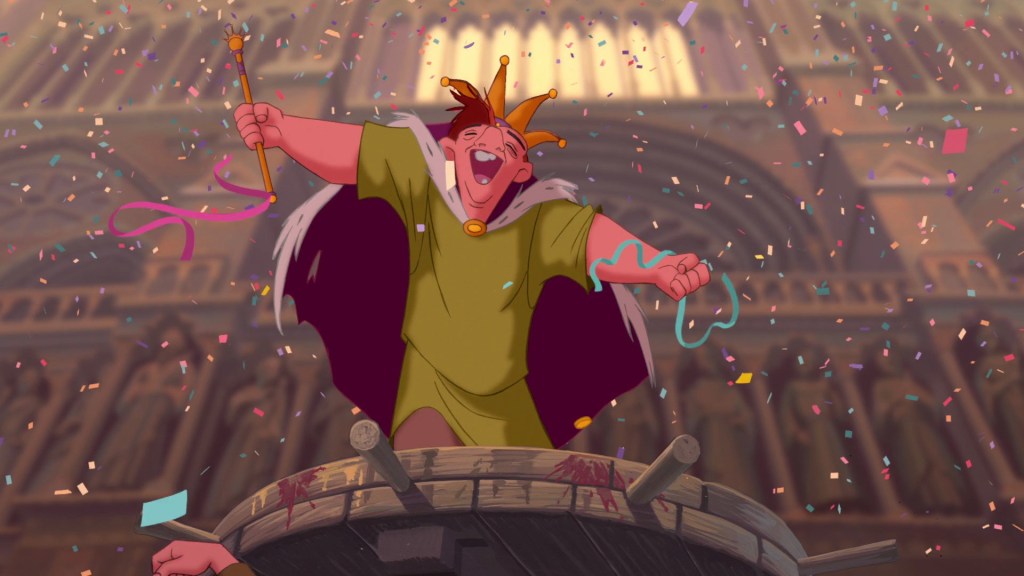
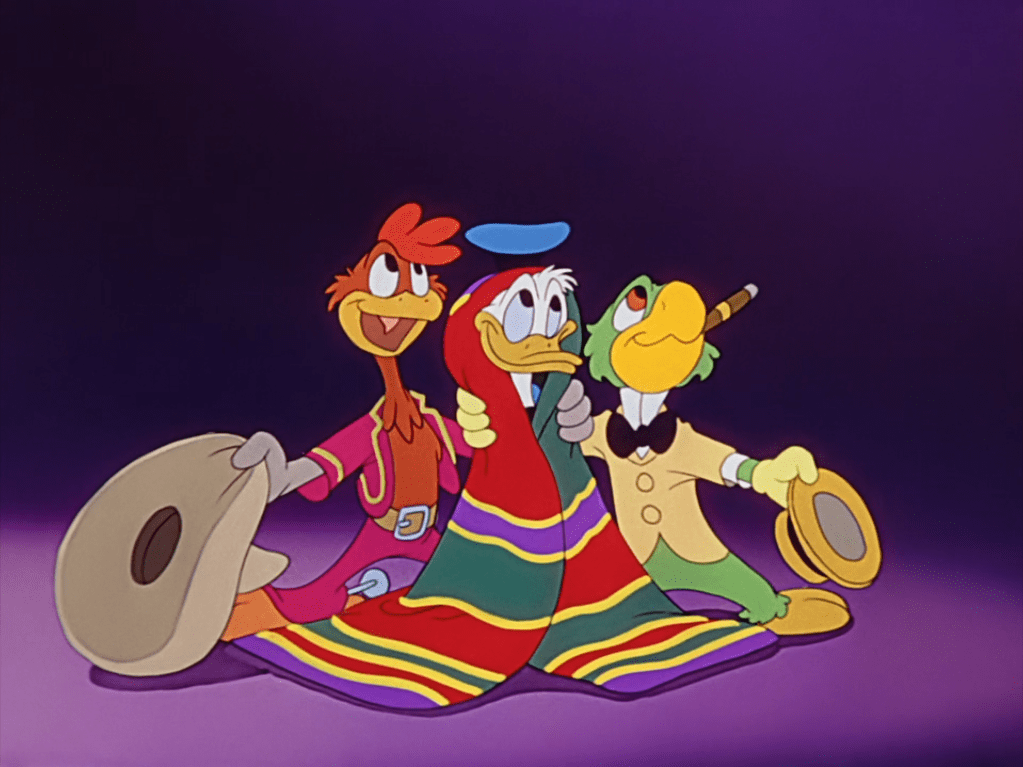
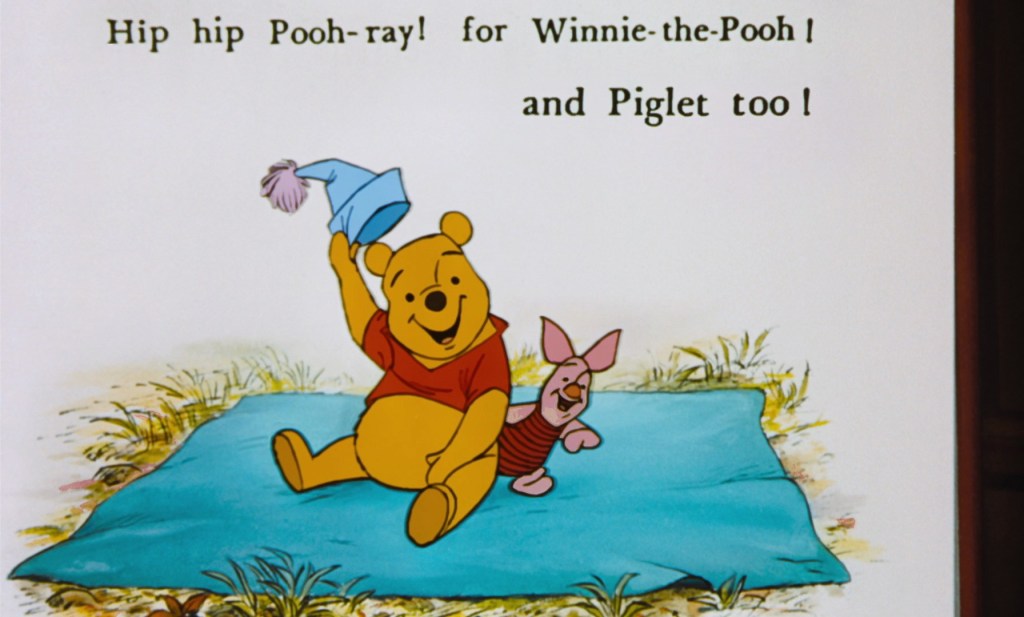



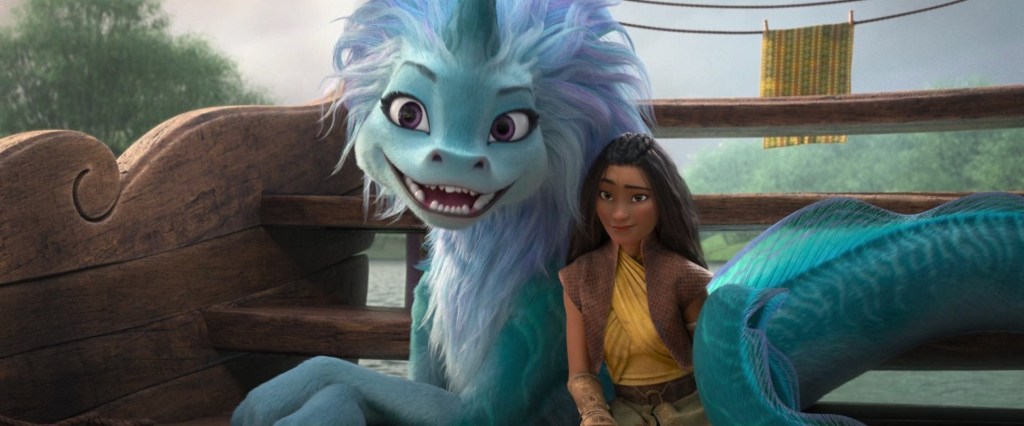
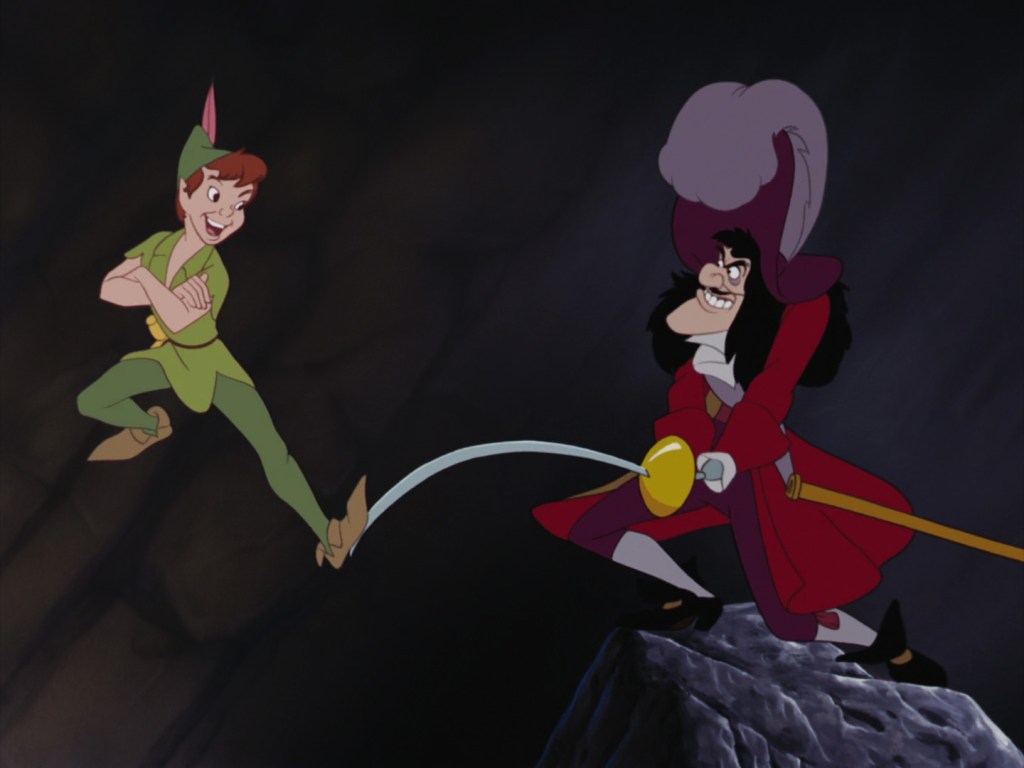
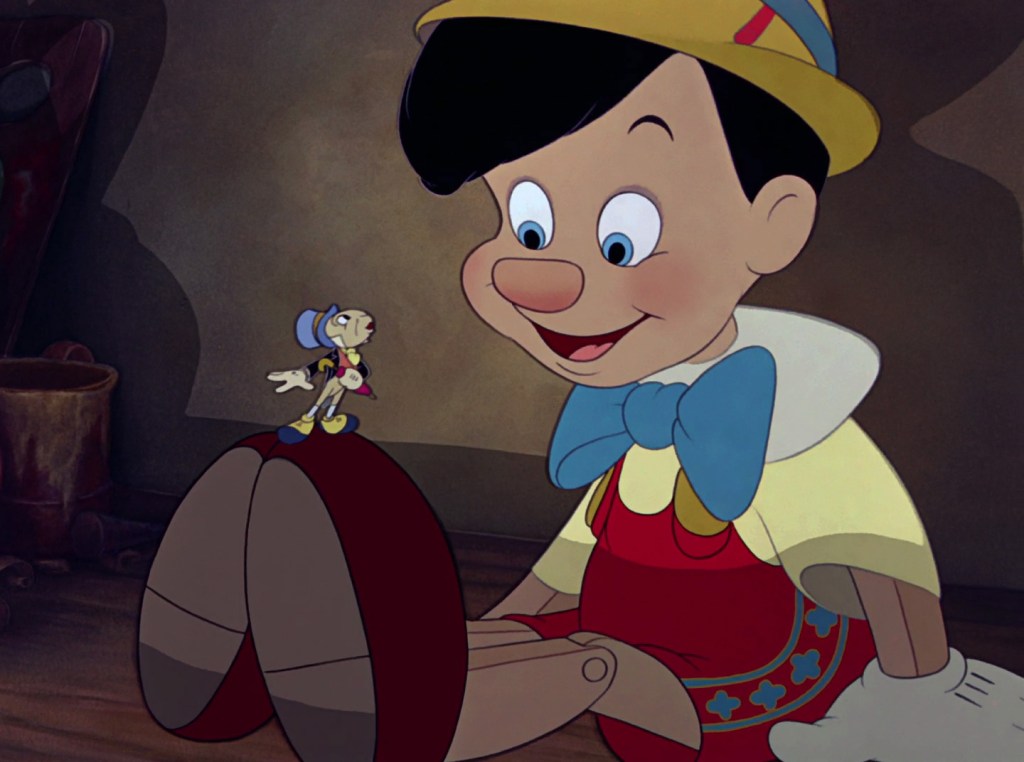
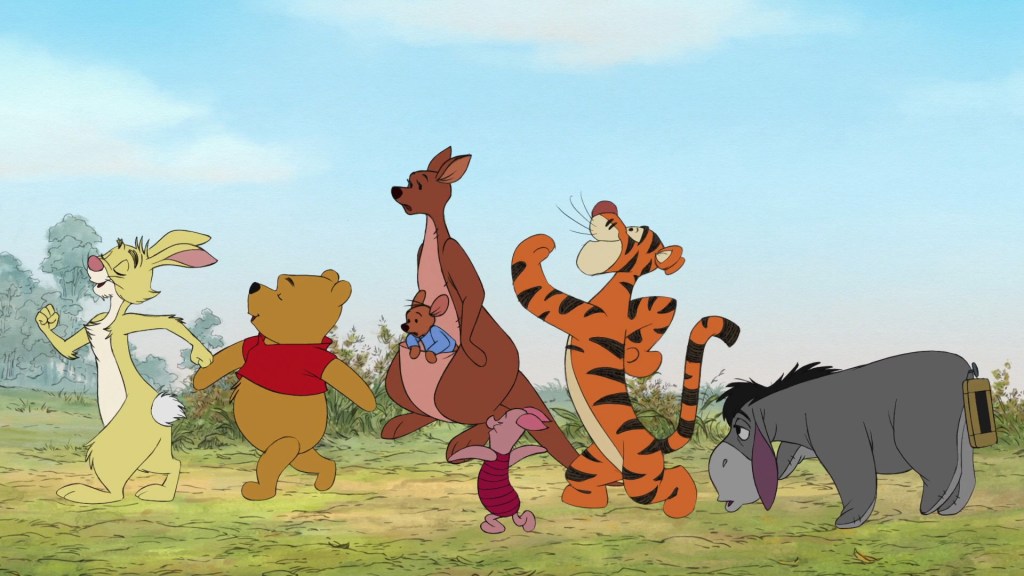
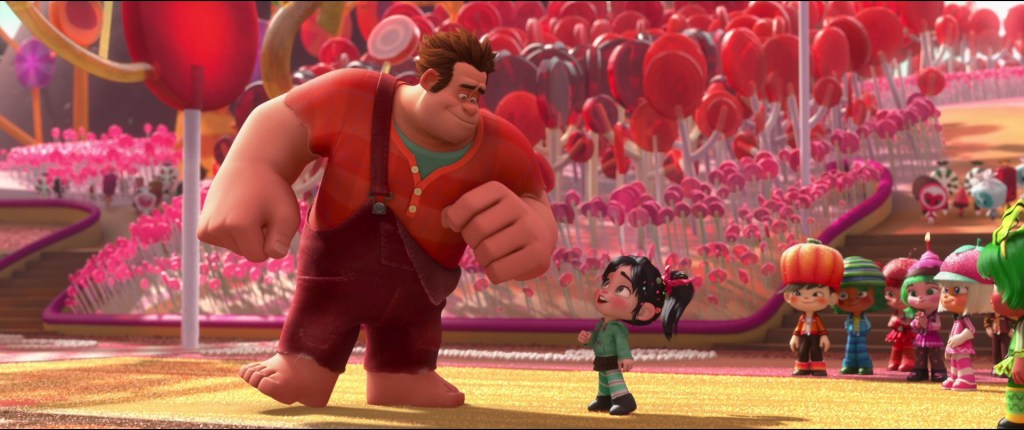
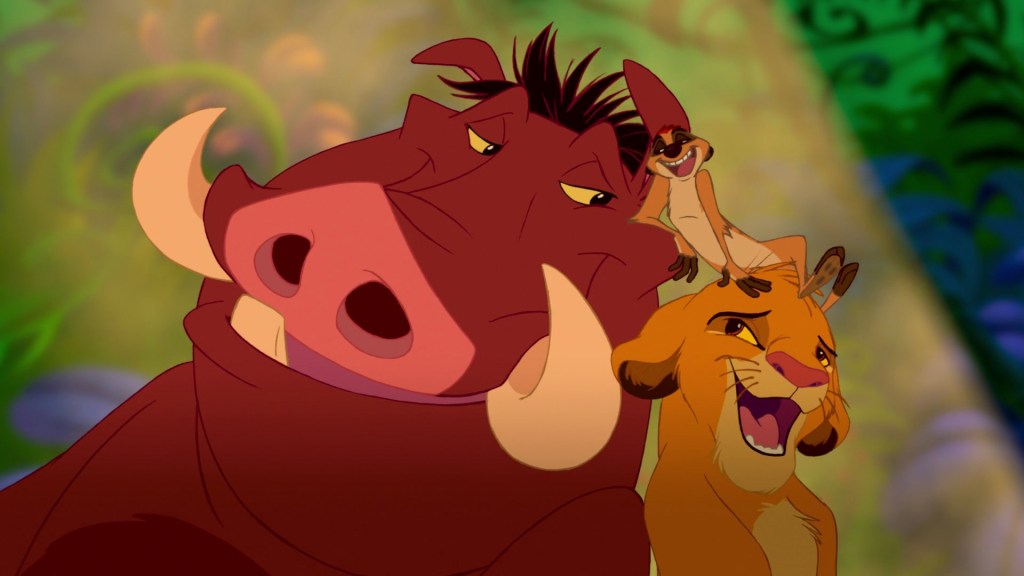
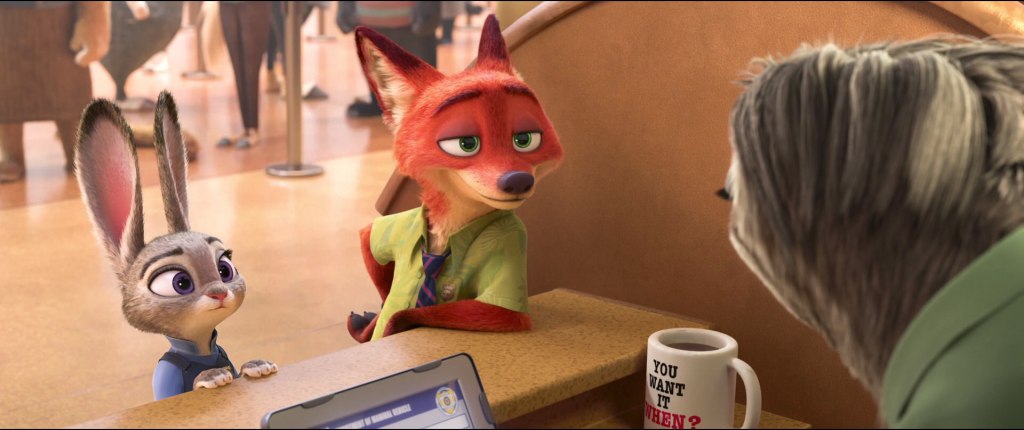








 Kenneth's Myriad of Media Blog