Featured

Pixar: Worst to Best

LAST UPDATED: June 2021

As the leading studio of CG animation, Pixar has touched the hearts of millions with their impressive roster of films and asking the question of “What if?”. The variety of characters and locations is impressively combined with complex and emotional elements that appeal to children and adults. While most of Pixar’s films can be considered good, there are some that really miss the mark while others are instant masterpieces. My personal ranking has some similarities to what other Pixar fans think but there are also some contrasting opinions on my end.

  1. Cars 2 (2011) = 3/10
CREDIT: Disney/Pixar

This is easily the worst Pixar film, and can be described by one word: annoying. Not sure why this film is a sequel considering the fact that the plot is completely outlandish and focuses on Mater. Though a misleading title can’t save this film from the awful characters and the franchise jumping the shark at this point. Mater’s stupidity becomes quickly annoying and that spreads to the rest of the characters. Lightning McQueen’s side plot is pointless outside of the twist, and sometimes clashes with the spy espionage plot. One improvement over the original (even if it’s handled poorly) is the focus on car-centric issues such as lemon cars and alternative fuel. In terms of production value, it’s on-par with other Pixar films though it doesn’t save it from the characters or writing. The story doesn’t fit the franchise, and everything else outside of the animation doesn’t warrant interest. Due to the annoyance and stupidity, it drags the film greatly and becomes more of a slog with every passing scene.

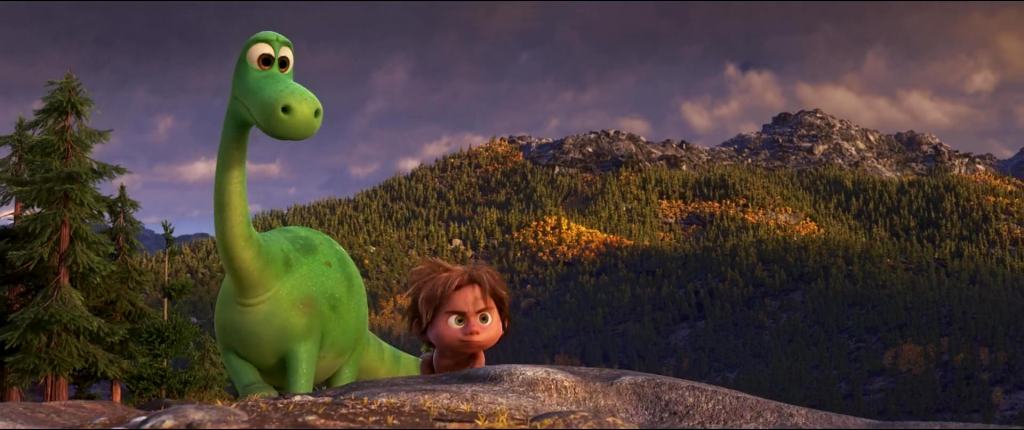
  1. The Good Dinosaur (2015) = 5/10
CREDIT: Disney/Pixar

This film has some of the worst characters and storytelling from Pixar, which is juxtaposed to some of the best animation from the studio. The backgrounds and landscapes look very realistic, and the character designs are also memorable even if they can somewhat stick out negatively against the photo-realistic CG backgrounds. The visuals help stomach the mediocrity of everything else in the film. Arlo is easily the worst Pixar protagonist due to being a boring push-over, as Spot is a stereotypical dog character, and everyone else is forgettable outside of their designs. The world itself doesn’t lend to engaging and unique scenarios and storytelling usually associated with Pixar. While there are elements meant to evoke emotion, it falls flat with the characters being uninteresting from the start. It’s unfortunate that this film managed to flop after all of its troubled production history, and the first Pixar film to become a financial loss.

  1. Cars (2006) = 6/10
CREDIT: Disney/Pixar

This is probably the least creative Pixar film, but has some level of entertainment on its own right. It’s hard to care about the characters since they come across as cliché in a cliché story. Lightning McQueen is the stereotypical arrogant jerk who has to learn how to be humble. The other characters are just fine but are easily forgotten outside of their designs. Chick Hicks is unique as one of the few straightforward Pixar villains. While the themes of being humble and taking life slowly are important, it’s a shame they were executed in the most stock way, while coming from a studio that is known for taking creative approaches to storytelling. While the tractor-tripping scene could have been used for character development, it’s pointless and the most boring element of the film. Like other Pixar films, the animation is reliably great and allows for stand-out designs that are perfect for marketing toys. It’s essentially just an average film that is not outright awful but doesn’t amount to anything spectacular either.

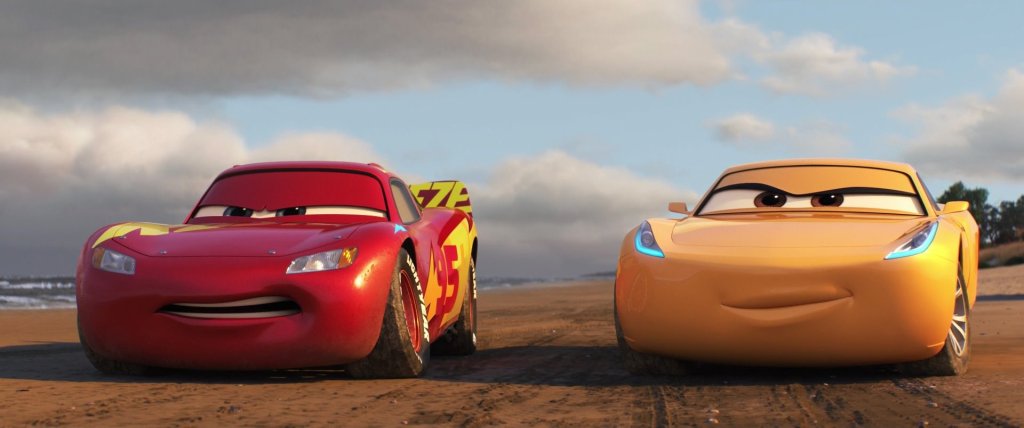
  1. Cars 3 (2017) = 6/10
CREDIT: Disney/Pixar

Here is the true Cars 2, even if it’s a slight improvement over the original. In many ways, this film feels like an inverse of the first Cars film, as Lightning McQueen is a veteran trying to keep up with the new rookies. Lightning McQueen gets some level of development as he struggles with relevancy, Jackson Storm feels like a water-downed version of rookie McQueen, and Cruz Ramirez is a decent motivated trainer. It’s an obvious attempt to push the franchise further and tackle an issue with emotional potential. While it may not execute that potential well, there is still effort. Despite the premise not being exclusive to cars, the filmmakers did their best to make it grounded in their world. The production values are essentially the same quality as other Pixar films, with more of an emphasis on a few musical numbers in the background. The characters may not be all that engaging, but the conflict creates slightly more engagement in the film, and has the potential to become something better.

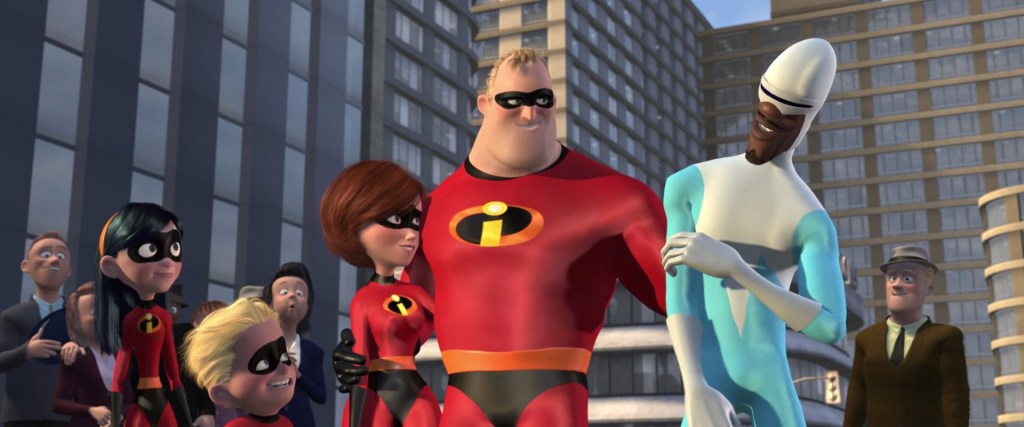
  1. The Incredibles (2004) = 7/10
CREDIT: Disney/Pixar

Despite the boom of the superhero genre in modern pop culture, this film continues to be unique. It’s interesting to see the concept of superheroes being held to the law, particularly in the scenario where superheroes are banned. Using Mr. Incredible and Elastigirl, it showcases both sides of the spectrum when it comes to handling this conflict, along with Syndrome being a great and complex villain. The environment is well-established with the clever use of different color palettes to reflect Mr. Incredible’s mood. The action also holds up very well, especially with the battles in the second half. While it’s necessary for Mr. Incredible to go through his mid-life crisis arc, it does its job too well as it makes the film boring, particularly during instances in the first half. This also leads to a sense of realism that feels too realistic. While there’s not much comedy, the occasional bits of humor stand out with clever one-liners from certain characters.

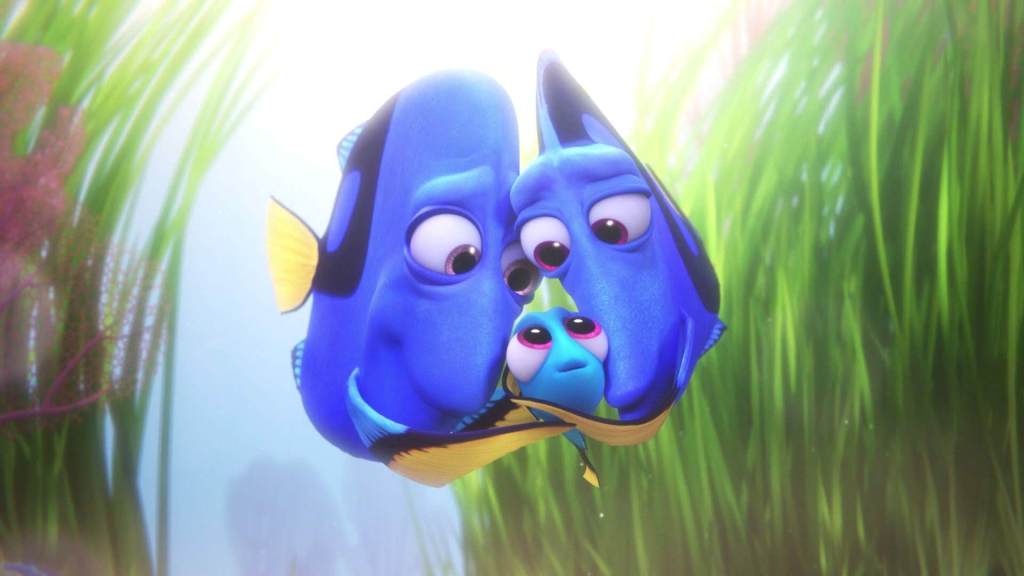
  1. Finding Dory (2016) = 8/10
CREDIT: Disney/Pixar

While initially feeling like a rehash, there are enough unique elements to make it stand out on its own and expands on the world-building with new places to explore. Dory herself continues to be charming and funny as the viewer sympathizes with her struggles. In terms of new characters, Hank, Destiny, and Bailey are all charming while comedic relief like Becky and Gerald are entertaining. Nemo and Marlin don’t do much despite aiding Dory in her quest. The whole road-trip concept of finding loved one(s) feels rehashed from the original. Like the original, there are certain spots on the journey that feel more like fluff rather than forwarding the plot. The visuals are on-par with the original while the emotional elements are just about as strong as before, particularly with the baby Dory flashbacks. Speaking of baby Dory, she is one of the cutest things in animation and aids in the sympathetic emotions associated with her arc.

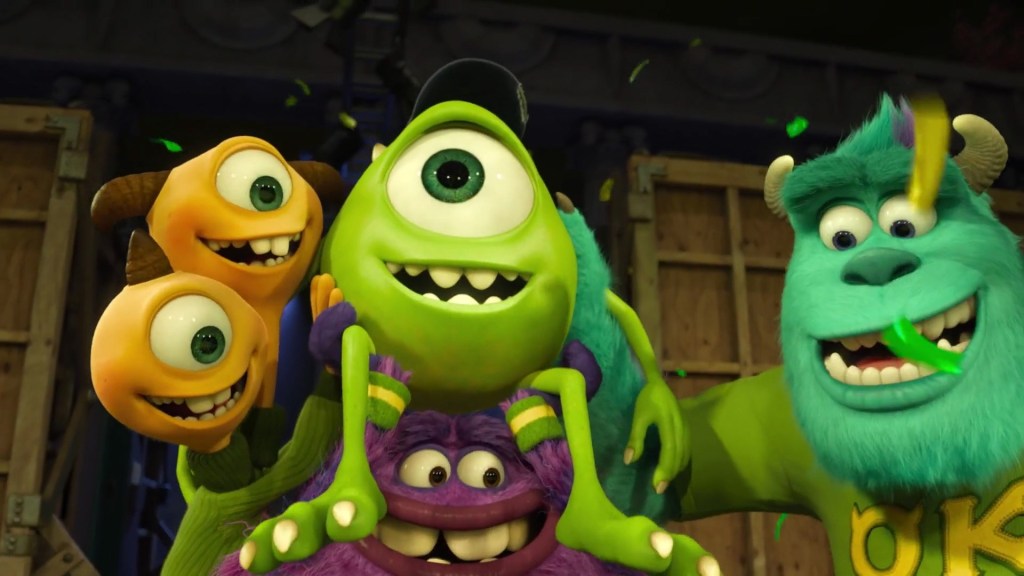
  1. Monsters University (2013) = 8/10
CREDIT: Disney/Pixar

For a prequel that contradicted a line from the original, this film has a weird paradox of having unique themes while executing it with college clichés. Mike’s arc is very interesting and allows for a level of connection towards certain people who have been through similar college experiences. Sulley’s progression is also intersting to a lesser extent. The other Oozma Kappa members have unique designs and some level of personality that makes them distinct. Unfortunately, the film becomes progressively less interesting when the Scare Games occur and it doesn’t pick up steam until the resolution. In spite of that, there are still comedic and enjoyable moments during the Scare Games and the climax. The university setting is emulated well, even if it mainly relies on college campus stereotypes. The themes about finding success through alternate routes and not being fit for certain passions are executed very well and creates the most emotional impact.

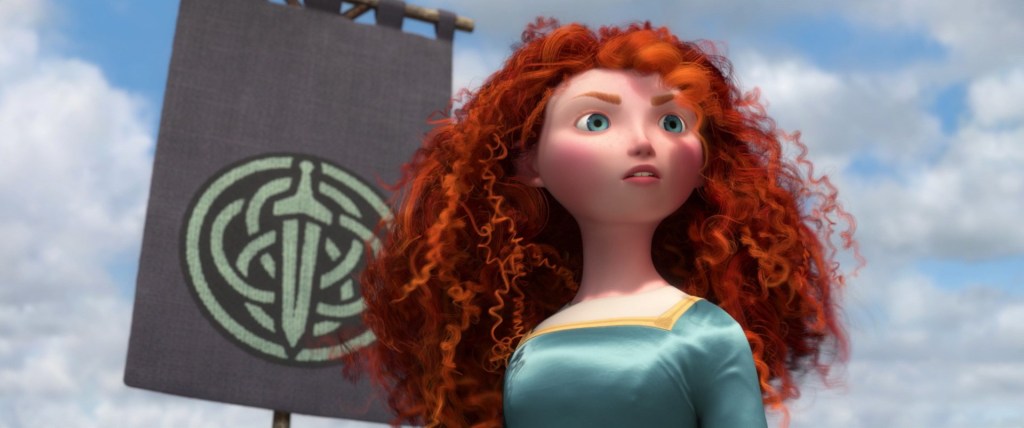
  1. Brave (2012) = 8/10
CREDIT: Disney/Pixar

Despite being a film that’s a mix of Disney Princesses and Brother Bear, this film ended up being an entertaining watch with some interesting lore. Merida is easily among the most progressive Disney Princess (despite her personality having some Disney Princess clichés), but she’s the least apologetic princess due to her rebellious nature. While not a very engaging character, Queen Elinor also has some level of likability and her arc compliments Merida’s arc. Despite tackling more modern themes, Pixar does a great job at interpreting a fantastical world of the past in a similar manner to other Disney Princess films, while being unique. Another interesting aspect is the lore and how it ties into the themes of family and respect. Even if Mor’du may not be that memorable, his backstory adds to the world-building and themes of the film. Outside of the world and Merida, there isn’t much else that stands out.

  1. Finding Nemo (2003) = 8/10
CREDIT: Disney/Pixar

A noteworthy Pixar film, with some of the best humor and animation in the Pixar pantheon. In comparison to other Pixar films, this is one of few that takes advantage of a vast color palette to bring an immersive underwater world to life. Dory is the stand-out character with her short-term memory and bizarre personality allowing for plenty of humor. Marlin and Nemo follow typical tropes of the lost-and-found story but both have their own unique personalities. The various side characters are also memorable on their own right, even if some of them are only around for one scene. While certain parts of Marlin and Dory’s journey may seem like filler material, their chemistry makes those scenes an entertaining watch. The humor is also very strong, despite the odd choice for Pixar to include multiple instances of toilet humor. Despite just being “good”, there are certain stand-out elements that give it some re-watch value and lasting impact.

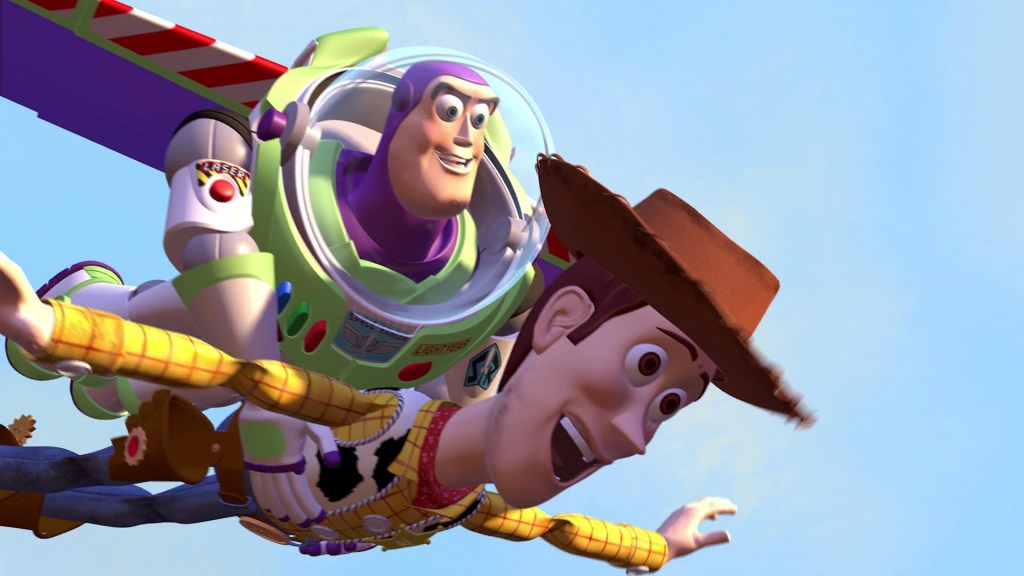
  1. Toy Story (1995) = 8/10
CREDIT: Disney/Pixar

For being the first full-length CG animated film, this film holds up very well (for the most part) even if it may be slightly boring. As a child, I remember being bored during certain scenes. Now, I personally find this film to be entertaining and noteworthy but still slow at times and feels too grounded in reality. Woody and Buzz are animation icons at this point and the most entertaining parts of the original. Like some of the best Pixar films, the side characters are also engaging and evokes a sense of wonder (or nostalgia for adults). This film (and franchise) does the best job at world-building and immersion of the perspective of toys. In addition, it also allows for engagement among Woody’s conflict and the other conflicts associated with being a toy. The songs and score are both amazing and helps the film stand out. For the most part, the animation holds up outside of the designs for the humans and Scud. Even with the limitations at the time, Pixar still managed to pull off a large feat in the world of animation and technology.

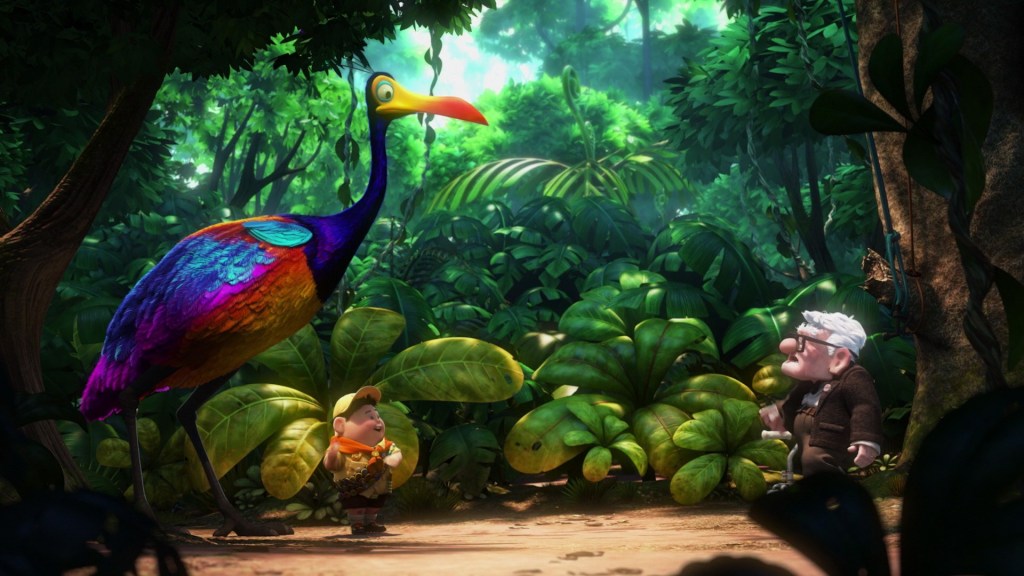
  1. Up (2009) = 8/10
CREDIT: Disney/Pixar

The best opening for a Pixar film, as the “Married Life” scene is among the best in animation and manages to pack an emotional punch. While the elements dealing with Kevin and Charles Muntz may seem a bit weird for the story, it works well and ties back into Carl’s arc. Carl is definitely one of the best elderly characters in animation and is physically and mentally strong despite his age. Russel is likable as the tag-along and Dug and his dog buddies also have some time to shine as comic relief. The animation manages to create a beautiful depiction of South America and Paradise Falls. His goal and connection to Ellie is the core of the emotional moments of the film, along with the larger themes of family. The one notable flaw is the conflict of Charles Muntz and finding Kevin feeling somewhat out of place despite being established beforehand. Even with a slower pace outside of the action scenes, it helps to complement the emotional moments and allows them to really connect with the viewer.

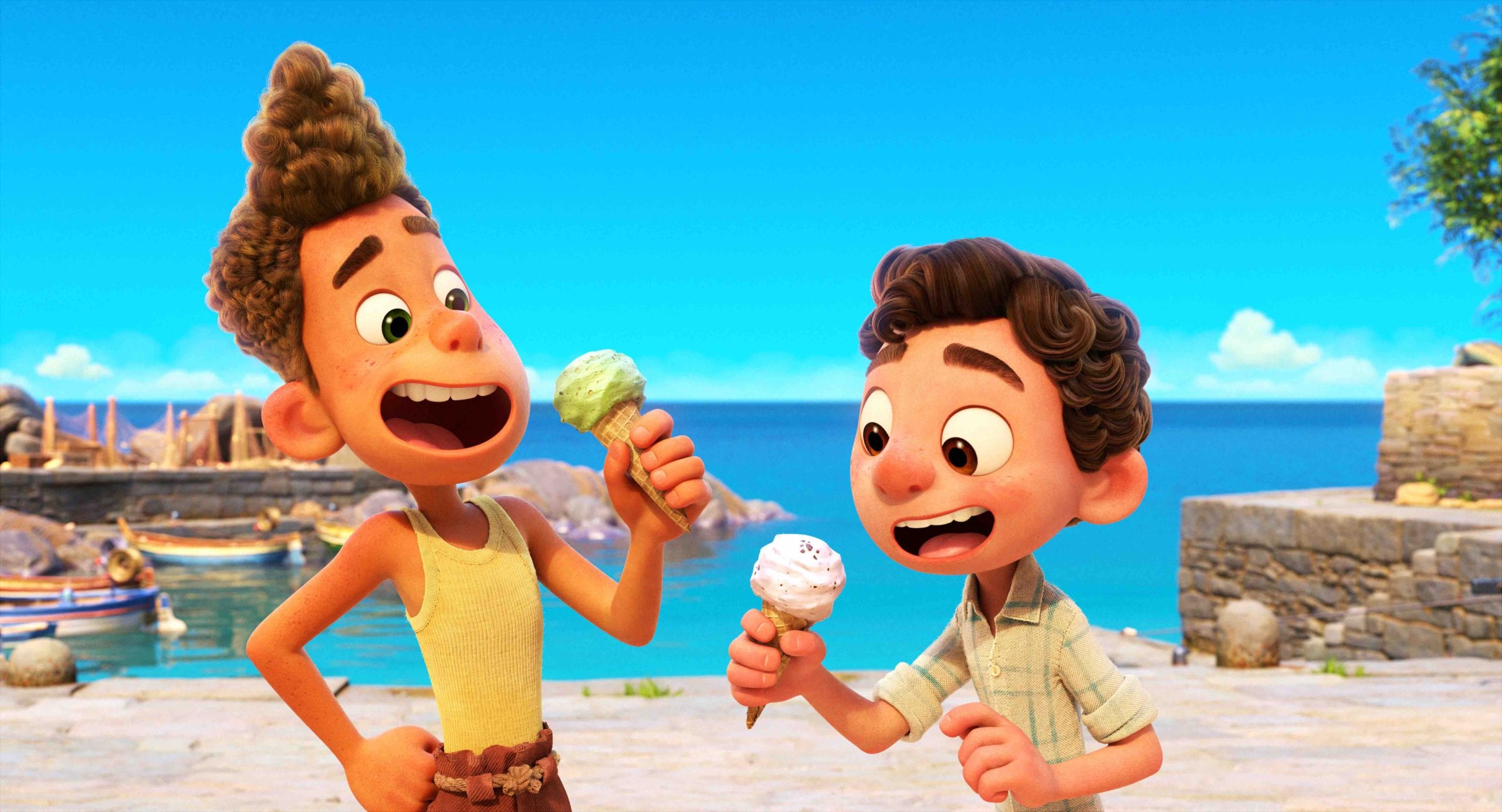
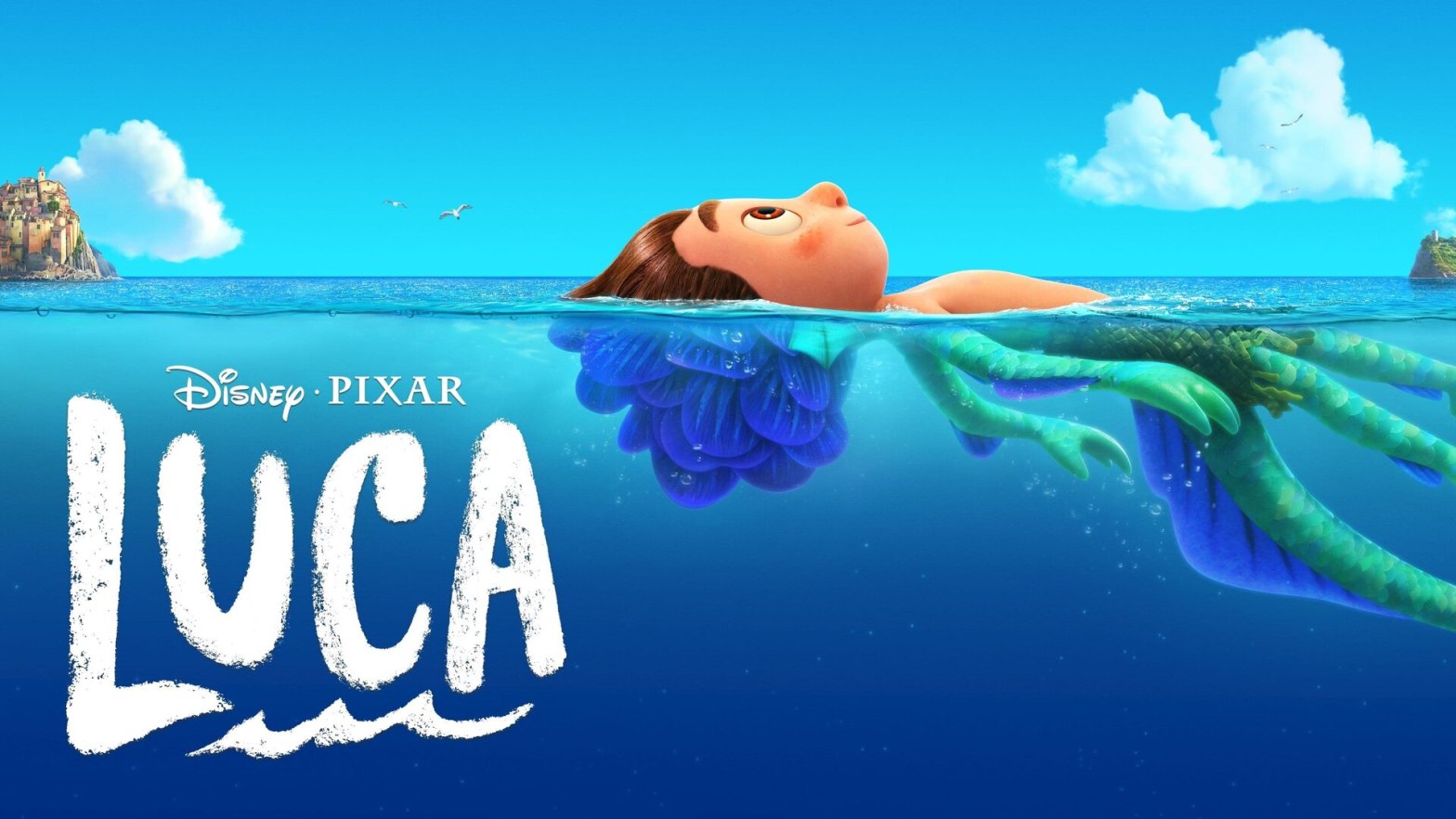
  1. Luca (2021) = 8/10
A Classic Horror Story: poster e foto dall'horror Netflix dell'estate |  Lega Nerd
CREDIT: Disney/Pixar

In a literal “fish out of water” story, this film is one of Pixar’s most simplistic stories. However, its simplicity works to the advantage of this film, as its themes of friendship have plenty of emotional weight. While not among Pixar’s greatest characters, the titular protagonist is compelling enough to carry the plot and has great chemistry with his friends and family. In a departure from Pixar’s usual expansive world-building, Portorosso and Luca’s underwater world aren’t developed that much. However, the simplicity in the story compliments the basic world-building. Portorosso comes to life beautifully with more muted and light colors, as that’s contrasted with the harsh and darker color palette for Luca’s underwater world. The naivety of the sea creatures while on land contributes to much of the film’s humor. Despite being one of Pixar’s more simplistic outings, the film shines due its laidback storytelling and array of heartwarming moments.

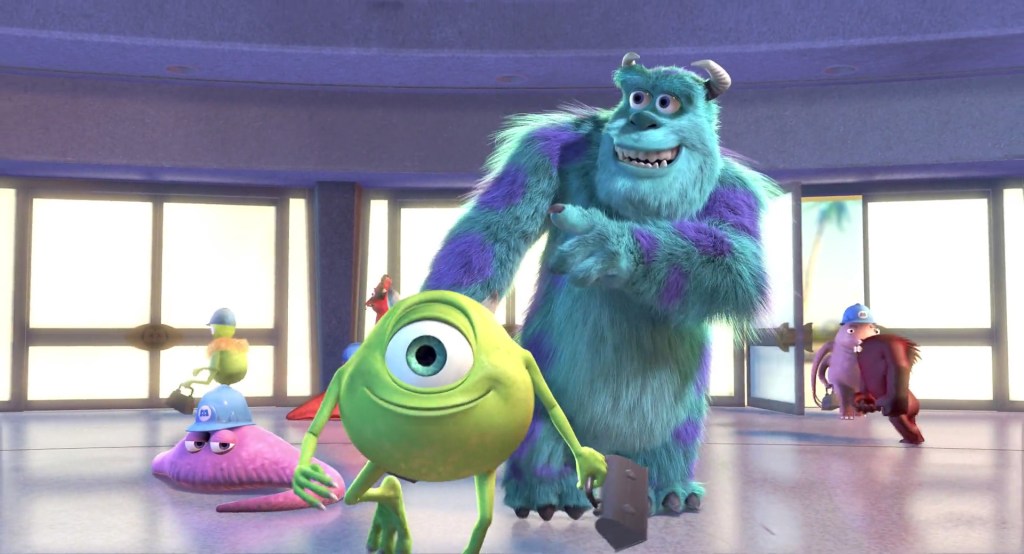
  1. Monsters Inc. (2001) = 9/10
CREDIT: Disney/Pixar

An amazing and emotional film, this film strikes the right chords and creates a world that is creative. The character designs and world have plenty of variety, ranking among the most unique Pixar worlds. Sulley works well as a father figure to Boo and Mike also works as an anxious but supportive friend. Boo is cute and contributes to the most emotional moments in the film while Randall is a cunning villain. The concepts of using screams and laughter for energy is creative and ties back into the human concept of monsters hiding in the closet (and eventually using that to create a subversion in monster-human relationships). While most of the characters are memorable, Waternoose could have been better even if his character was still somewhat engaging and developed. In addition, there isn’t much outside of the world-building that makes this film’s storytelling stand out in comparison to other Pixar films.

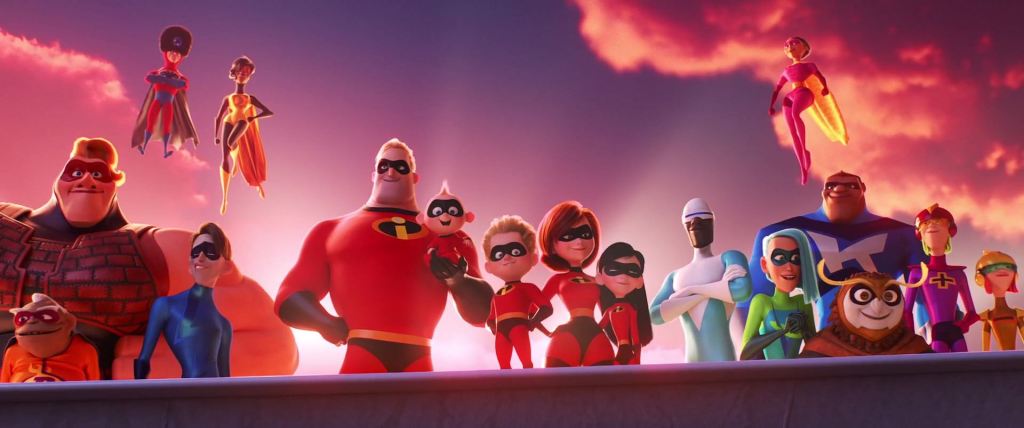
  1. Incredibles 2 (2018) = 9/10
CREDIT: Disney/Pixar

Coming from Pixar’s sequel “craze”, this film manages to go above and beyond in terms of quality and (mostly) improves on the original. The rapid progression of technology has allowed for more detailed and fast-paced action scenes along with more vibrant visuals. The humor is also excellent, even though most of it comes from Jack Jack and the Parr family discovering his powers. Mr. Incredible and Elastigirl continue to both be compelling characters, as Dash and Violet become more interesting with their own minor arcs. The most notable flaw is Evelyn Deavor as the villain. While she isn’t that bad and there are some interesting ideas behind her motivations, the execution and the twist somewhat falls flat. Another notable flaw is the character arcs of Mr. Incredible and Elastigirl essentially being similar to the last film, with their roles being swapped. However, this can be somewhat overlooked as their arcs in this film feel unique enough with their different experiences.

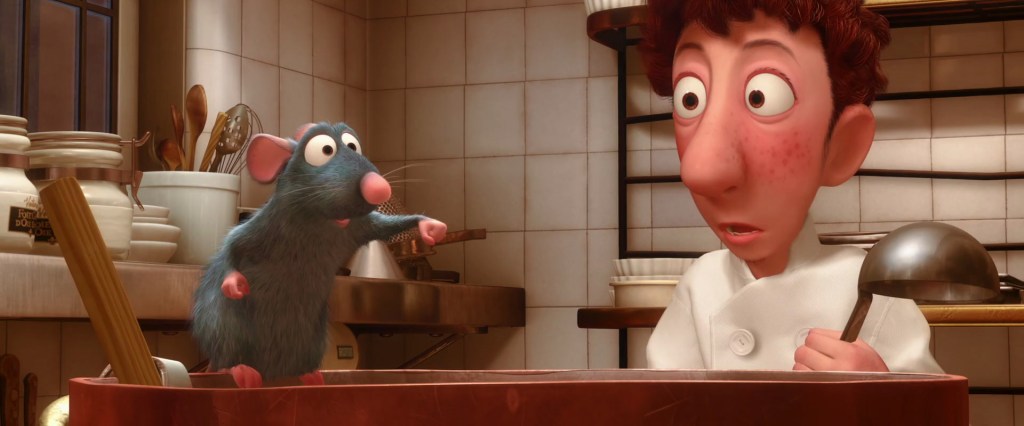
  1. Ratatouille (2007) = 9/10
CREDIT: Disney/Pixar

As one of Pixar’s more bizarre stories, this film manages to reach the same level of quality, storytelling, and heart as its predecessors. The specific theme of something extraordinary being able to come from the most unexpected places is executed well, despite not offering much that is new. The handling of the connection between the rats and humans is also done well in a fictional but realistic manner. Remy is a delightful protagonist while Linguini is also a good character on his own right, along with standouts such as Colette and the Gusteau from Remy’s imagination. While Chef Skinner is one of the weaker Pixar villains, he fills his role good enough to serve as a convincing antagonist. The music is also fantastic and definitely adds to the French ambiance, while some of the humor is still great, along with the emotional punch from the ending. However, certain moments could be improved to elicit emotion and tweaking some of the characters to be more interesting (particularly Linguini and Skinner).

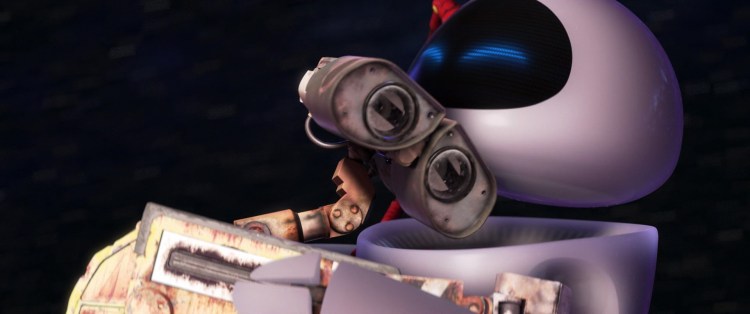
  1. Wall-E (2008) = 9/10
CREDIT: Disney/Pixar

This film showcases the amount of risk Pixar is willing to go through as they get out of their comfort zone. With the minimal amount of dialogue, the filmmakers resorted to silent film techniques and emulated that style well. Even with minimal coherent words, Wall-E and EVE showcase a lot of character and are easily compelling. While some might find the environmental message to be preachy or slightly over-the-top, I personally think it ties back into the plot organically and has a lot more significance in today’s society. There’s a sense of fear and danger with the dystopian Earth depicted in the film and the “solution”, though there’s also a sense of optimism as the plot progresses. To help drive home the message, the animation is executed well to visually showcase the importance of taking care of the Earth or else it signals trouble if humans continue to be neglectful. The added conglomerate dominance message may seem a bit excessive for this film, but also has significance in its own right.

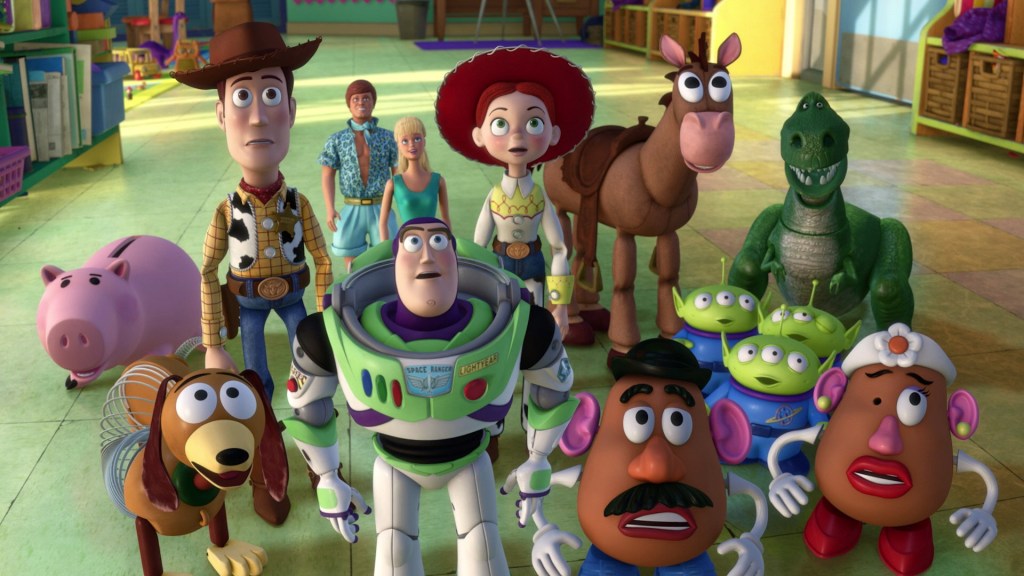
  1. Toy Story 3 (2010) = 9/10
CREDIT: Disney/Pixar

Another winner for the franchise, this film is on-par with its predecessors, even if may not be as strong as the second (and eventually fourth) film from a personal standpoint. With the inevitable conflict of Andy growing up, it makes sense that this would be the conflict for the film and is done well due to the hysteria of the toys potentially being abandoned. Despite being despicable, there is some level of sympathy with Lotso as his conflict of abandonment is relatable to viewers. The world-building and animation continues to progress in a way that allows for new opportunities for exploration. While it makes sense in the context of the film, it seems a bit too dark for the franchise and it slightly hampers the overall enjoyment. The emotional elements are among the strongest for Pixar, particularly with the climax and the ending. While this film could have served as a perfect end to the main part of the franchise, the fourth film indicated that the franchise has more to tell.

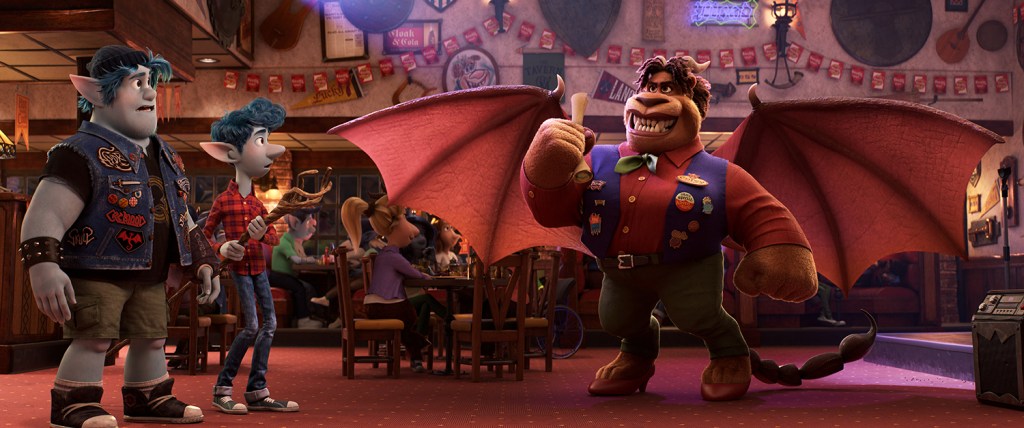
  1. Onward (2020) = 9/10
CREDIT: Disney/Pixar

A film that lacks in creativity for its storytelling and characters is countered by amazing performances and emotional moments. Ian and Barley are among the most generic Pixar protagonists, but are fortunately salvaged by the vocal performances of Tom Holland and Chris Pratt, respectively. Their chemistry helps elevate the emotional moments more than expected, particularly for viewers with a brother. It also helps to have fun side characters such as the mother of the Lightfoot brothers and Corey the Manticore. While the entire road trip plot may seem stock, there’s enough creativity, humor, and character moments to make a unique experience themed to Dungeons and Dragons. Another notable flaw is the various conflicts between Ian and Barley being resolved too quickly. However, it’s all worth it for one of the best climaxes in a Pixar film, with plenty of action and heart. The world-building is also clever, and highlights the importance of embracing our past while we progress towards the future.

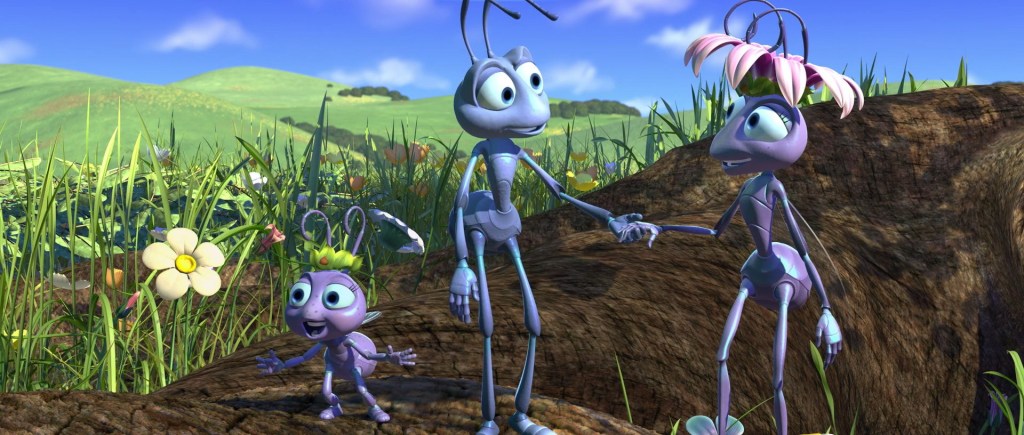
  1. A Bug’s Life (1998) = 9/10
CREDIT: Disney/Pixar

Despite being one of Pixar’s earlier films, it still holds up well and has since become an underrated gem within the ever-expanding catalog of Pixar films. This film is arguably the most simplistic by Pixar standards but it also allows for plenty of charm, comedy, and emotion. It takes a unique approach to the “Ants and the Grasshopper” fable, where it allows the ants to stand up for themselves. Most of the characters are compelling in one way or another, with the circus bugs stealing the show at certain points of the film. Even if Flik is a typical outcast, he has plenty of personality to stand out. The environments are world-building are amazing, and they still manage to hold up decades later. There may a good amount of slower moments, but it’s justified due to its simple storytelling. The themes of rebellion and standing up for oneself are also portrayed very well, while being integrated into Flik’s arc. This film has one of the best scores in a Pixar film, with certain pieces standing out memorably.

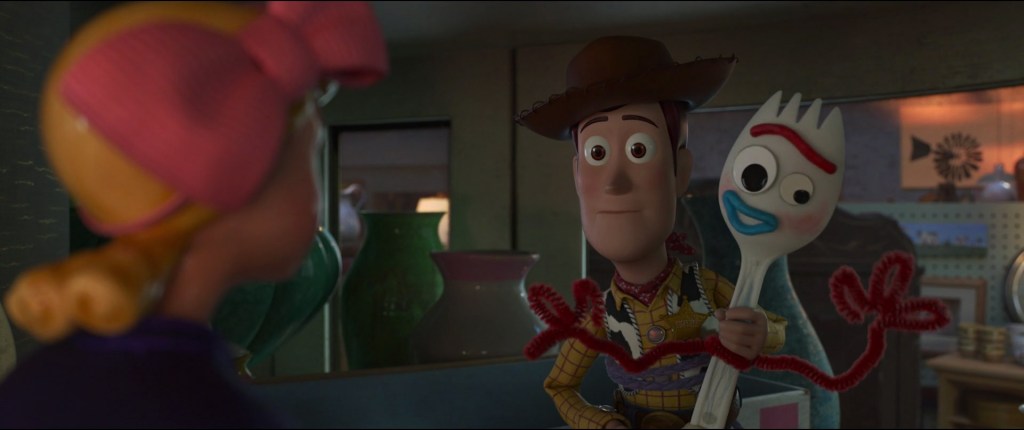
  1. Toy Story 4 (2019) = 9/10
CREDIT: Disney/Pixar

For a sequel that may seem unnecessary, this film creates new complex scenarios for a toy and raising the standards of comedy and emotional moments for the franchise. In a similar vein to the ending of Pixar films, this film is a feature-length epilogue for Woody as his viewpoint of needing the love of a child through ownership is challenged through the return of Bo Peep. Bo Peep’s return is executed well and showcases a sense of growth since she left the Davis household, while serving as a foil for Woody. The new characters are instantly memorable, even if comes at the cost of pushing most of the established characters to the side. The antics of Ducky and Bunny along with the side plot of the toys stalling the RV are some of the most hilarious Pixar moments, and makes this entry the most comedic of the franchise. While the challenge to the status quo is greatly welcomed, Woody’s choice at the end of the film feels out of place in comparison to its predecessors, even if his decision makes sense in the context of this film.

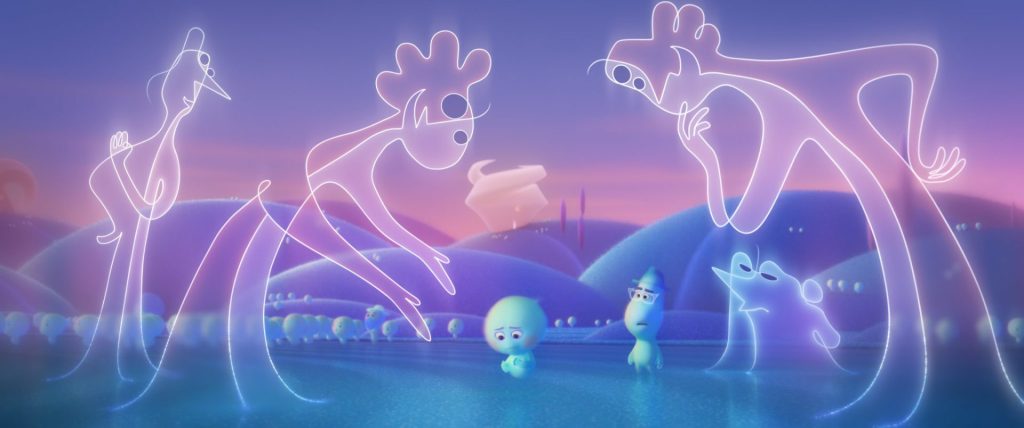
  1. Soul (2020) = 10/10
CREDIT: Disney/Pixar

Recreating the complexity and emotional weight of Inside Out is no easy feat, as this film creates newfound value to the concept of human life. The dialogue is some of the most comedic and clever for Pixar, particularly with 22’s dialogue being further enhanced by Tina Fey’s performance. Joe Gardner serves as the perfect template as someone who believes they know about the joys of life, but develops a new perspective during his escapades with 22. The visuals are very unique, with a clever interpretation of how souls develop their personality and the use of 2D characters. Despite not having too much of a presence, the use of jazz is done well and showcases a taste of Black culture. The only notable issue is the predictability of the climax, particularly among the more complex elements of the film, even if it’s done well. Like Inside Out, this film conveys the complexity of human life in an understandable way, and showcases the significance of living life to the fullest and not being bound by a single passion.

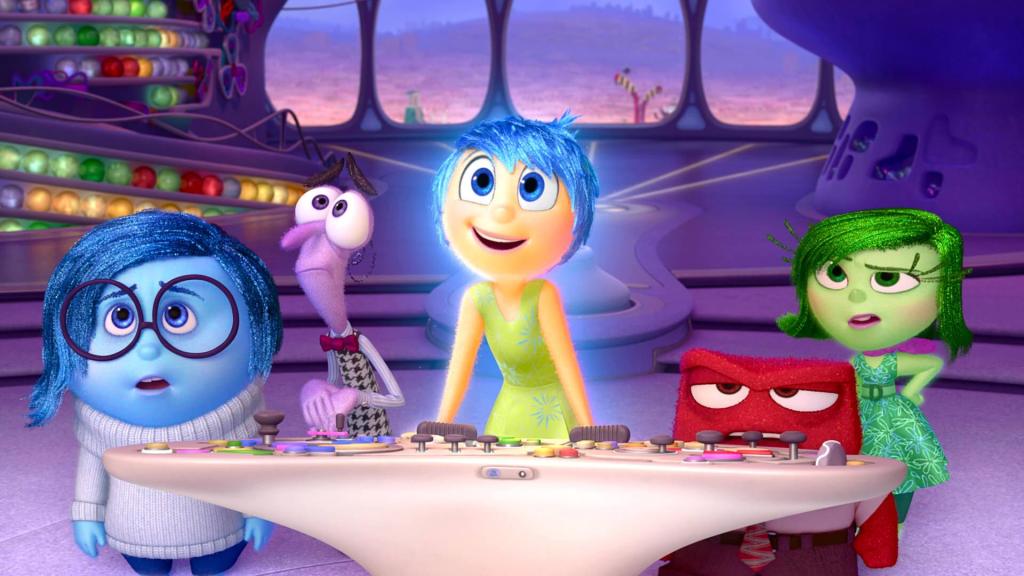
  1. Inside Out (2015) = 10/10
CREDIT: Disney/Pixar

For a studio that specializes in eliciting emotion, it makes sense that there would be a film where that happens directly with the emotions themselves. This film is easily one of Pixar’s best films and also one of the most complex while making it easy to understand. All of emotions manage to be three-dimensional characters, as they could have easily been one-dimensional. Out of all of Pixar’s films, this one is arguably the best in terms of animation and takes advantage of the variety in colors to create a beautifully animated film. There’s a sense of connection between the viewer and Riley as her experiences can relate to people in the real world in one way or another. The message of being able to convey emotions properly and having some sort of balance among emotions is one that is important in life, and expressing that in creative ways. The interpretation of the mind is much more fascinating thanks to this film, as it’s a journey that is rooted in complexity.

  1. Toy Story 2 (1999) = 10/10
CREDIT: Disney/Pixar

It’s rare for a sequel to surpass the quality of the original, let alone being on-par with the original. Even if it’s an unpopular opinion, this film is the best entry in the Toy Story franchise. Fortunately, this film is not a rehash and managed to expand the franchise in new ways. Woody’s backstory is fleshed out and it creates a sense of tension in the plot, as the conflict feels more in-line with the perspective of a toy. All of the characters from the original continue to be charming, while all the new characters fit in easily. Jessie’s backstory is very tragic and creates a perspective that humans may not think about when handling toys. The animation is a step-up from the original and there’s more humorous and entertaining moments. The only nitpick is that Al Whiggin isn’t very memorable, but that’s partially because everyone else is extremely memorable. For a film that managed to be completed in nine months (among other problems during production), it’s a miracle that this film ended up being this amazing.

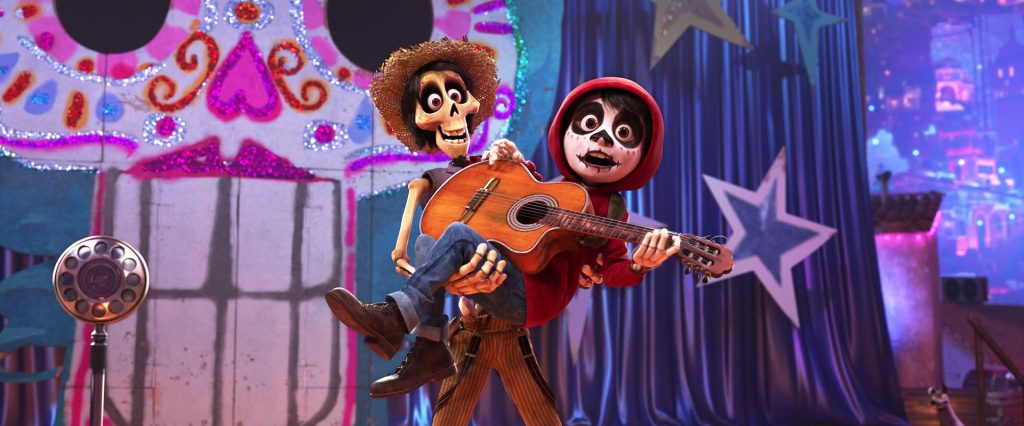
  1. Coco (2017) = 10/10
CREDIT: Disney/Pixar

The best Pixar film, with a perfect balance of comedic and emotional moments, while also highlighting Mexican culture in a respective way. While the storytelling may rely on clichés, the film knows how to alter these clichés to create something unique. Miguel is a loveable protagonist, with Héctor working well as comic relief and as a sympathetic character. The Land of the Dead is executed cleverly, and takes advantage of using a variety of colors to create something eye-catching while also connecting it to the actual holiday and the themes of family and legacy. The two-part climax perfectly showcases the balance between humor and emotion, and is one of Pixar’s best. This film also manages to be the most unique in executing a twist villain, with said villain being one of Pixar’s best. Unlike most Pixar films, this one stands out due to a greater emphasis on music and songs, which hasn’t been done since the first Toy Story. Speaking of music, the songs are amazing, particularly the Oscar-winning “Remember Me”.
Featured

Worst to Best: Eras of Disney Animation Canon

Movies can and do have tremendous influence in shaping young lives in the realm of entertainment towards the ideals and objectives of normal adulthood.

-Walt Disney

Walt Disney Animation Studios has been producing feature-length animated films for over 80 years, with no signs of slowing down. Like any other studio, their history has been filled with ups and downs, partially defined by certain corporate decisions and current events of the time period. Despite the variety in settings and genres, each film has served a purpose of entertaining people of all ages and the need to craft timeless stories. While the ranking of individual films are common, I seek to do something unique with the ranking of the eras from the studio. Each era has a distinct “feel” and certain similarities, even if certain films may be more different than others. The seven eras that make up the history of the studio (Golden Age, Wartime Era, Silver Age, Dark Age, Disney Renaissance, Post-Renaissance, Revival Era) are unique and have their own significance in animation history and serving as the trend-setters for the animation landscape.

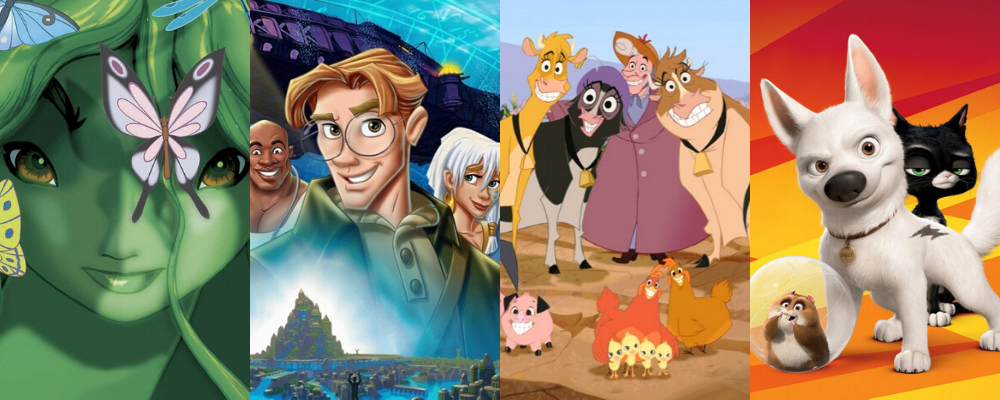
L to R: Fantasia 2000 / Atlantis: the Lost Empire / Home on the Range / Bolt
CREDIT: Disney

#7 – POST-RENAISSANCE (2000 – 2008)

  • Fantasia 2000 (2000)
  • Dinosaur (2000)
  • The Emperor’s New Groove (2000)
  • Atlantis: the Lost Empire (2001)
  • Lilo & Stitch (2002)
  • Treasure Planet (2002)
  • Brother Bear (2003)
  • Home on the Range (2004)
  • Chicken Little (2005)
  • Meet the Robinsons (2007)
  • Bolt (2008)

The worst era in Disney Animation history, the Post-Renaissance era saw a decline in quality and financial success, particularly in comparison to the Disney Renaissance era. Two of the films from the era (Brother Bear and Chicken Little) are considered the worst-rated films of the studio based on their 30% range critic scores on Rotten Tomatoes. While the company as a whole wasn’t as financially vulnerable, there was definite turmoil from the executive side of Disney with the ousting of former CEO Michael Eisner and the purchase of Pixar leading to a change in leadership for the studio. One admirable aspect of this era is the experimentation of stories that went against the formula established in the previous era, even if they weren’t executed well. Films such as Atlantis and Treasure Planet sought to tell more mature stories and avoiding musical numbers, while Lilo & Stitch evolved into a major Disney franchise. Another significant change that occurred during this era is the “temporary” abandonment of 2D animation in favor of CGI due to poor box office returns. There are a few bright spots that stand out such as Fantasia 2000, The Emperor’s New Groove (a film that has since established a cult following), and Home on the Range (a film that I love but everyone else hates).

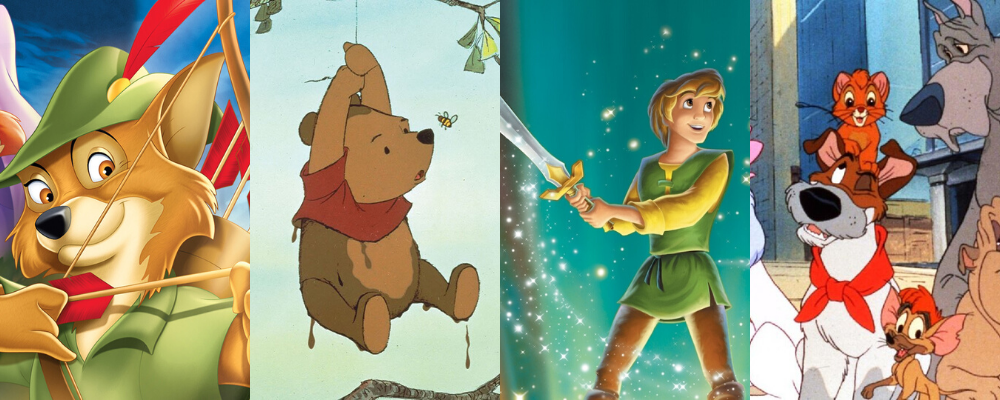
L to R: Robin Hood /The Many Adventure of Winnie the Pooh / The Black Cauldron / Oliver & Company
CREDIT: Disney

#6 – DARK AGE (1970 – 1988)

  • The Aristocats (1970)
  • Robin Hood (1973)
  • The Many Adventures of Winnie the Pooh (1977)
  • The Rescuers (1977)
  • The Fox and the Hound (1981)
  • The Black Cauldron (1985)
  • The Great Mouse Detective (1986)
  • Oliver & Company (1988)

The Dark Age for the studio was somewhat bright in comparison to other areas of the company at the time, as most of the films released had some level of financial success. However, the death of Walt Disney and the stagnation of innovation made most of these films lack the same magic from the previous eras. Most of these films are entertaining in their own right, but lack some memorability in certain significant areas such as characters and musical numbers. Films like The Aristocats and The Rescuers suffered from bland and boring storytelling while The Black Cauldron was an experimental disaster in the studio’s attempt to break the stereotype of Disney films being only for kids. The change in leadership of the company, mixed in with financial woes, a potential corporate takeover, and the transition period from old to new animators all had an impact on the studio and their output. Fortunately, the financial success of The Great Mouse Detective and Oliver & Company (along with the success of Who Framed Roger Rabbit) would serve as the groundwork for the success of the Disney Renaissance. Even among these average-to-good films are a couple of classics such as Robin Hood (despite the decline in critical praise since its release) and The Many Adventures of Winnie the Pooh.

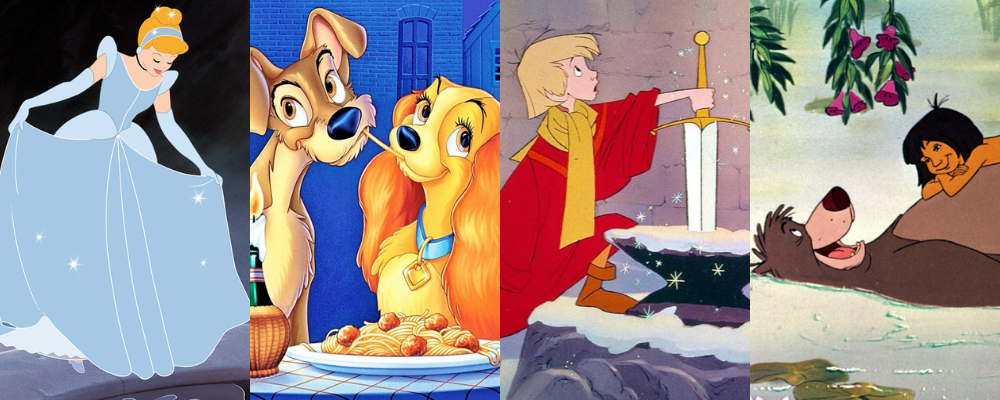
L to R: Cinderella / Lady and the Tramp / The Sword in the Stone / The Jungle Book
CREDIT: Disney

#5 – SILVER AGE (1950 – 1967)

  • Cinderella (1950)
  • Alice in Wonderland (1951)
  • Peter Pan (1953)
  • Lady and the Tramp (1955)
  • Sleeping Beauty (1959)
  • 101 Dalmatians (1961)
  • The Sword in the Stone (1963)
  • The Jungle Book (1967)

The Silver Age served as the first return to form for the studio, led by the massive success of Cinderella. With Cinderella and Sleeping Beauty, Walt Disney aimed to replicate his initial success of Snow White and establish the princess formula while the other films continued his success of adaptations. This era also served as a transitional period as Walt Disney became less hands-on with these films as he turned his attention to live-action films, TV shows, and Disneyland. All of these films can be considered classics on their own merits though some films are better than others, with Walt Disney having more involvement on certain films over others. 101 Dalmatians marked a new innovation in animation with the xerox technology, as it was used to speed up the animation process and helped create the dots for all the dalmatians in the film. Another innovation implemented during this era is the use of widescreen, with Lady and the Tramp and Sleeping Beauty utilizing wider aspect ratios that have since become common in recent years. While these films don’t push the boundaries of the Golden Age, they established a standard of storytelling that would become normal for the studio. The personal favorites of the era are Lady and the Tramp and The Sword in the Stone.

L to R: The Little Mermaid /The Lion King / The Hunchback of Notre Dame / Mulan
CREDIT: Disney

#4 – DISNEY RENAISSANCE (1989 – 1999)

  • The Little Mermaid (1989)
  • The Rescuers Down Under (1990)
  • Beauty and the Beast (1991)
  • Aladdin (1992)
  • The Lion King (1994)
  • Pocahontas (1995)
  • The Hunchback of Notre Dame (1996)
  • Hercules (1997)
  • Mulan (1998)
  • Tarzan (1999)

Disney Animation returned to their roots once again with a string of films that mostly had critical and financial success, and increased the use of CGI elements using the CAPS system from Pixar. Outside of The Rescuers Down Under, all of the films were large-scale musicals with protagonists searching for a sense of belonging in addition to all those films receiving an Oscar nomination for Best Original Song and/or Best Original Score. While all of these films are good, their homogeneous traits does hamper the impact of the era, even if some of these films are considered to be the best of animation. Aladdin, Pocahontas, and Mulan started the initial push for diverse representation, even if they attracted criticism for their execution. The Hunchback of Notre Dame pushed the most boundaries in the era with more mature themes and an overall dark tone not normally associated with Disney, leading to the most underrated film in the canon and the best of the era despite the tone problem. All the princess films served as a middle ground between classic and modern princesses, with heroines that were proactive despite ending up with a man in the end. The Disney Renaissance is the most popular and documented era, and has a level of significance that elevates the status of each film.

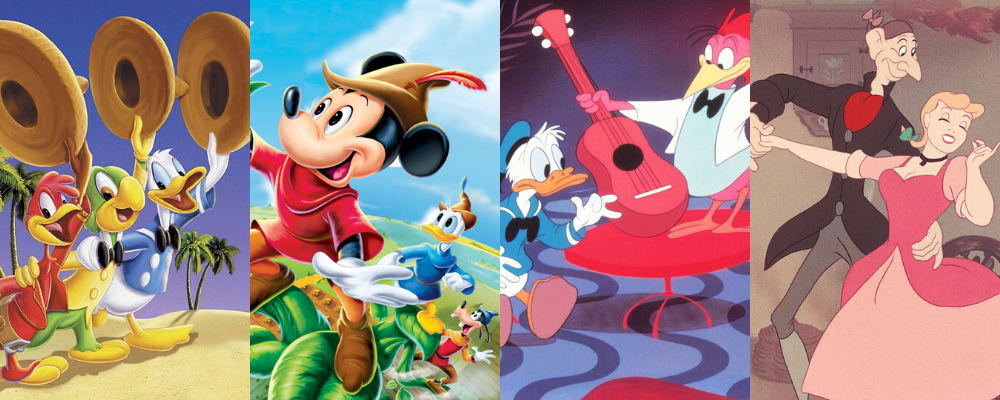
L to R: The Three Caballeros / Fun and Fancy Free / Melody Time / The Adventures of Ichabod and Mr. Toad
CREDIT: Disney

#3 – WARTIME ERA (1942 – 1949)

  • Saludos Amigos (1942)
  • The Three Caballeros (1944)
  • Make Mine Music (1946)
  • Fun and Fancy Free (1947)
  • Melody Time (1948)
  • The Adventures of Ichabod and Mr. Toad (1949)

Out of all the eras of Disney Animation, this era is the most underrated despite the limits that came from World War II. Saludos Amigos and The Three Caballeros are significant in US relations history as they strengthened the relationship between the US and Latin America during World War II as part of the Good Neighbor Policy. In addition, The Three Caballeros had an innovative filming technique that enhanced the blend of live-action and animated characters. The rest of the films served as means of financial stability after World War II weakened the studio. Make Mine Music and Melody Time served as the spiritual sequels to Fantasia, as the two followed a similar concept of combining a variety of short stories and setting animation to music (though reversed in some cases). The concept of these package films is a double-edged word, as they combine different stories under a loose theme in a cohesive manner but get mixed in with weaker segments and feels different from the linear narratives of other Disney films (though The Three Caballeros is the most linear as it was intended to have a linear story from the start of production). All of these films are worth watching at least once, with a good chance that viewers will find specific segments (and even entire films) that are on-par with linear Disney storytelling.

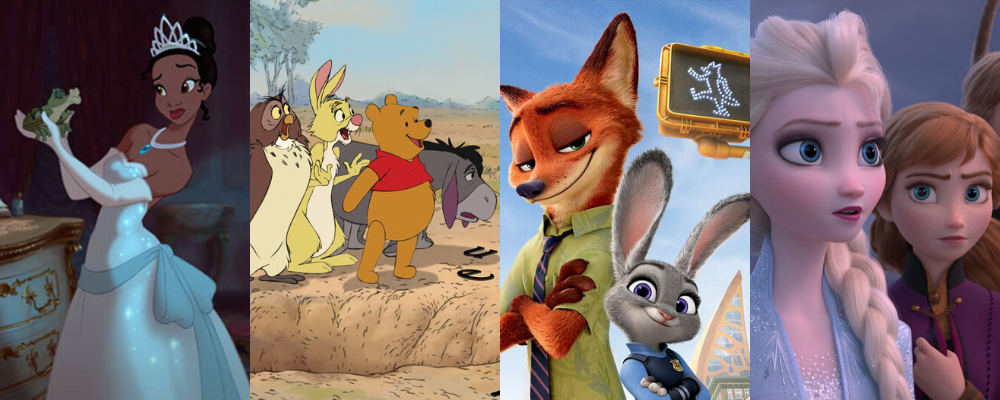
L to R: The Princess and the Frog / Winnie the Pooh / Zootopia / Frozen II
CREDIT: Disney

#2 – REVIVAL ERA (2009 – PRESENT)

  • The Princess and the Frog (2009)
  • Tangled (2010)
  • Winnie the Pooh (2011)
  • Wreck-It Ralph (2012)
  • Frozen (2013)
  • Big Hero 6 (2014)
  • Zootopia (2016)
  • Moana (2016)
  • Ralph Breaks the Internet (2018)
  • Frozen II (2019)

The most recent era in Disney Animation history, the Revival Era marked another return to form for the studio while also tackling stories that went against the mold of the Disney Renaissance. Outside of Winnie the Pooh, the films from this era can be classified into one of two categories: the progressive princess film that serves as meta commentary of their past or the unconventional non-musical set in a modern world. This era also marked the unofficial “death” of 2D Disney animation due to the lackluster performance of The Princess and the Frog and Winnie the Pooh (the last 2D Disney films), while their CG films make plenty of money. A notable trend inherited from Pixar is the concept of twist villains, as films such as Wreck-It Ralph, Frozen, and Zootopia used them to varying degrees of success. The dominance of Disney Animation was established once again with the financial success of Frozen and its sequel, ranking among the highest-grossing films of all-time. All the princess films from the era provided more empowering heroines reflective of modern women and Zootopia stands out with its message of racism that preserves the complexity in a more simplified manner. Based on the critical praise of all these films, they will become future classics and continue the Disney Animation legacy.

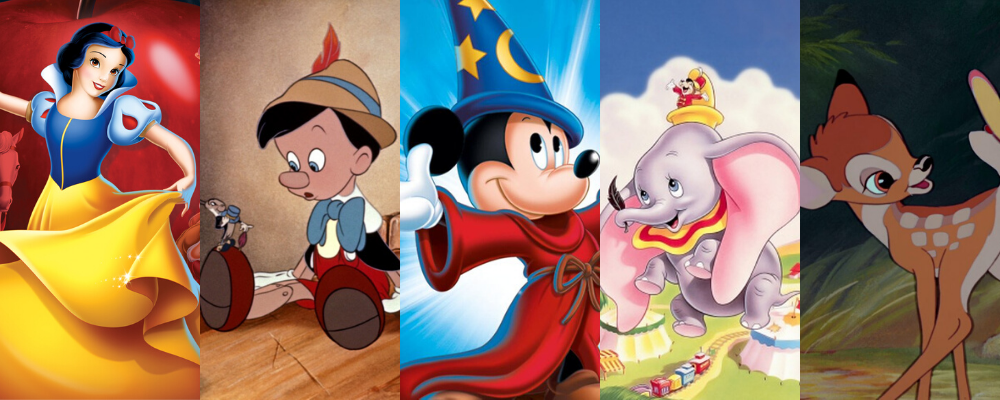
L to R: Snow White and the Seven Dwarfs / Pinocchio / Fantasia / Dumbo / Bambi
CREDIT: Disney

#1 – GOLDEN AGE (1937 – 1942)

  • Snow White and the Seven Dwarfs (1937)
  • Pinocchio (1940)
  • Fantasia (1940)
  • Dumbo (1941)
  • Bambi (1942)

The best era of the studio happens to be their first, with all of them holding up many years later in terms of animation and storytelling. In addition, this era sought to create distinct storytelling with the variety in protagonists, settings, and source material. As the pioneer of feature-length North American animation, Walt Disney made sure to innovate to some extent with detailed animation and simplistic storytelling that evokes emotion. Each film in this era had a certain element of darkness that are sure to startle viewers, whether it was the boys turning into donkeys in Pinocchio, the “Night on Bald Mountain” segment of Fantasia, or the death of Bambi’s mother in Bambi. All of these films have held the test of time, even if Snow White and Dumbo were the only ones that were financially successful on release, and the rest only became successful with reissues and additional praise over the years. Fantasia is a unique piece of art that raised the bar of the concept of setting animation to music, while Bambi emulated aspects of realism with animation, and the other three created fantastical worlds that immersed the viewer. Outside of quality, all these films are the most significant stepping stones in animation history and one of the most significant milestones in the history of Hollywood and film.

Featured

Introduction: Rating System

Everyone has their own way of ranking or grading the films and TV shows they watch, and here’s mine. This scoring system is how I analyze the quality of films and mostly follows these descriptions. Film and TV is subjective, so feel free to agree or disagree with my opinions from my reviews.

RATINGS (Out of 10)

  • 0 – Should Not Exist
    • A film/show that is so terrible that it should have never been produced as it creates an extreme negative impact on the audiovisual art form.
    • Examples: TBD
  • 1 – Garbage
    • A film/show that is extremely bad but warrants existing as an example of avoidance when creating a film or show, though it may have a “so bad, it’s good” quality.
    • Examples: TBD
  • 2 – Awful
    • A film/show that is notably bad and difficult to sit through, with a few minor bright spots that doesn’t make it a complete waste of time.
    • Examples: TBD
  • 3 – Terrible
    • A film/show that evokes a minor sense of hatred due to disappointment or frustration with the execution, but is salvageable with a unique/experimental element and/or high production value.
    • Examples: Dinosaur (2000); Cars 2 (2011)
  • 4 – Bad
    • A film/show that has more bad elements than good (usually combined with boring scenes), leading to an overall hatred that is quickly forgotten.
    • Examples: The Rescuers (1977); Star Wars: The Phantom Menace (1999); Beauty and the Beast (2017)
  • 5 – Mediocre
    • A middle-of-the-road film/show that has an equal amount of good and bad elements.
    • Examples: So Dear to My Heart (1948); Chicken Little (2005); The Good Dinosaur (2015)
  • 6 – Decent
    • A satisfactory film/show that does the bare minimum of providing an entertaining experience and only worth watching once for completionist purposes.
    • Examples: Sleeping Beauty (1959); Cars (2006)
  • 7 – Okay
    • A film/show that has a few major flaws but is counteracted with an element that makes it worth watching.
    • Examples: Make Mine Music (1946); Bedknobs and Broomsticks (1971); Avengers: Age of Ultron (2015)
  • 8 – Good
    • A film/show that is genuinely entertaining with some minor and/or major flaws that keeps it from being more enjoyable and memorable.
    • Examples: Alice in Wonderland (1951); Toy Story (1995); Black Panther (2018)
  • 9 – Amazing
    • A film/show that goes above and beyond despite a few minor flaws or one major flaw, with plenty of memorability.
    • Examples: Star Wars: The Empire Strikes Back (1980); The Little Mermaid (1989); Captain America: The Winter Soldier (2014)
  • 10 – Masterpiece
    • A film/show that is one-of-a-kind with little to no flaws and has an aspect of timelessness, creating a worthy recommendation to anyone.
    • Examples: Fantasia (1940); Mary Poppins (1964); Avengers: Endgame (2019)

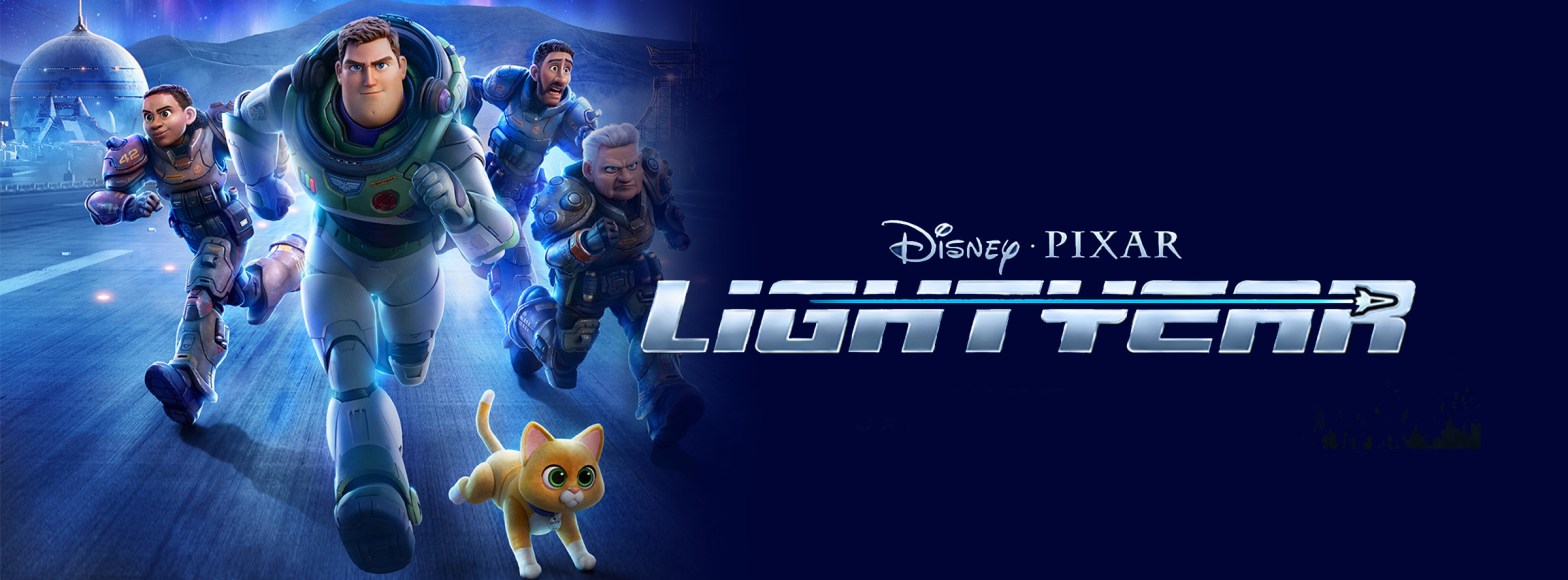
Lightyear Review

Even after four theatrical films, a couple of TV specials, and some shorts, Pixar is still invested in the Toy Story franchise. For the first time in over twenty years, Pixar is revisiting the in-universe world of Buzz Lightyear. Unlike Buzz Lightyear of Star Command, Pixar is taking a more grounded approach to the titular character and the world-building. However, the filmmakers managed to retain the charm of Buzz Lightyear the toy and make a film that appeals to a kid like Andy Davis.

Like the world-building in the Toy Story universe and Buzz Lightyear of Star Command, the plot is meant to be simplistic and reminiscent of classic sci-fi films. While the film manages to emulate the fun and charm of space franchises such as Star Wars and Star Trek, it doesn’t go “to infinity and beyond” in terms of creativity in the story. By Pixar standards, the film contains a simple story with standard plot points that doesn’t leave much room for complexity. However, one exception in this film is the amount of depth of Buzz’s character arc. The film delivers a message about not being stuck in the past and knowing when to move on to something else. Juxtaposed to that compelling arc are generic arcs about Buzz being able to work with others and his teammates needing to find their true strength. While these rehashed arcs aren’t detrimental due to the simplistic plot elements, it’s somewhat disappointing for these arcs by Pixar standards. Unfortunately, the emotional weight isn’t as strong as it was in Onward as a means of making the generic elements feel less problematic. If one is looking for an escapist space adventure with minor sprinkles of Pixar complexity and depth, this film serves that purpose well.

With a more simplistic premise, the character roster isn’t as large, but the smaller cast allows for a greater focus on the titular character. The human Buzz Lightyear serves as a perfect companion to his toy counterpart, with lines of dialogue and acting that gel perfectly. Chris Evans gives an outstanding performance that combines the comedic elements of Tim Allen’s Buzz with his own serious edge. Buzz has great chemistry with Alisha Hawthorne, with some of the more emotional elements involving the two characters together. Sox, Buzz’s robot cat companion, steals the show with plenty of comedic moments and compassion for Buzz’s wellbeing. The other space rangers are generic archetypes, but the performances of their respective voice actors make them engaging enough. Zurg starts off as a menacing mystery, with an interesting reveal that shakes up his motivations for going after Buzz.

Continuing the high-quality production value of Pixar’s films, this film takes the galactic elements of the toy Buzz Lightyear and makes it feel more grounded. The realistic approach of Buzz’s “temporary” home world doesn’t lend itself to a diverse color palette. When the characters venture outside of the main location, there’s more diversity in colors and creating an interesting juxtaposition. The space ranger suits look appealing and serve as a perfect balance between realism and fantasy. Buzz and his fellow space rangers have appealing designs that have the right balance of exaggeration and realism. Like other elements of classic sci-fi, the action is engaging with some callbacks to the Toy Story films. Michal Giacchino once again creates another strong score for a Pixar film, with the music adding to the world-building of the film.

Overall, Lightyear is an entertaining sci-fi adventure that would rather stay in its comfort zone rather than try something new. The story and characters follow similar tropes to those of classic sci-fi films, with these choices serving as a double-edge sword of quality. The titular character makes the film stand out, with homages to the Toy Story franchise and elements that give more depth to the character. Meanwhile, the production value compliments the grounded sci-fi storytelling. While it may not be on par with Pixar’s usual standards of complexity, it serves the purpose of being a fun and adventure-filled space adventure like those of the past.

SCORE: 8/10

The Book of Boba Fett Review

Thanks to the success of The Mandalorian, that section of the Star Wars universe is set to grow. Building upon the prequels, Boba Fett is expanded further during the latter part of his life. A direct companion piece to The Mandalorian Season 2, the series follows Fett once after escaping the Sarlacc Pit. Not content with just looking back, the series also follows Fett and partner-in-crime Fennec Shand as they rule over Mos Espa. With the same creative team and production value as The Mandalorian, the show had plenty of potential and high expectations among fans.

With Boba Fett’s personality change after Return of the Jedi, there was room for a new direction. However, his character feels somewhat lackluster, and his fair leadership as a crime lord is questionable. Despite that, Boba Fett is still a compelling lead, with Temura Morrison doing his best despite the problems with his character. Fett in the flashback scenes has some emotional appeal and does its best to justify the character change in the present. Fennec Shand is still the same character as before, though she’s more willing to do the dirty work that Fett avoids. The Pyke syndicate serves its villainous purpose but lacks the emotional weight of being a threat, despite the flashbacks attempting to build up their villainy. Cad Bane notably makes his live-action debut, even if he doesn’t have too much screen time. Krrsantan makes the leap from the comic pages to the screen with an intimidating and fierce presence. Among the cast is the mayor’s majordomo, as his lighthearted personality leads to welcome moments of levity. There are also the teen cyborgs, who are tolerable with creative and cliche elements. The characters that get the most amount of development are the Tusken Raiders, as this show fully fleshes out their culture. The Tusken Raiders have come a long way to become well-established with sympathetic value instead of savages.

In a weird turn of events, two of the seven episodes star Din Djarin. Both episodes serve the purpose of inlcuding the character in the main story. The two Mando-centric episodes feel on par with The Mandalorian‘s two seasons. However, their presence detracts from the main plot despite the superior quality of the two episodes. At the very least, the latter episode makes an effort to connect itself to the main story. While some may argue the reunion of Grogu and Mando is too soon, the set of events that lead to the sequel trilogy offsets the quick turnaround time. Mando is just as great as ever, with his handling of the darksaber leading to some great action scenes. Grogu continues his reign of cuteness with some training in the Force. Characters from the show such as Peli Motto and Cobb Vanth are welcome returns, with their presence adding to the world-building. The directing efforts of the two episodes blow the other five episodes out of the water.

In comparison to The Mandalorian, Robert Rodriguez’s influence is notable as one of the executive producers. The storytelling and direction are notably inconsistent, though it isn’t difficult to see what Favreau, Filoni, and Rodriguez were aiming towards. However, the execution somewhat missed the mark, and there’s a lack of emotional build-up towards the epic finale. The balance of flashbacks and scenes set in the present feels uneven and hampers the emotional build-up. A notable “so bad, it’s good” moment is the now-infamous speeder bike chase among the cyborg teens and majordomo. The former scene, along with elements such as the cyborg teens, makes it clear that Rodriguez was behind those creative choices. However, his bombastic direction works to the advantage of the finale, even if the pacing feels off. The flashback scenes serve their purpose, with some of the best emotional moments stemming from these scenes. There’s also a problem with the storytelling when the detour story makes for a more engaging experience than the main story. Even with the flaws in the execution, the overall show is entertaining enough to watch until the very end. In terms of world-building, the show serves its purpose to expand upon some missing gaps in the Star Wars timeline.

For the most part, the production value is on-par with other Star Wars projects, but some aspects suffer due to the directing. There are some fantastic action set pieces, such as the attack on the Pykes’ train in the second episode. However, it is juxtaposed to poorly-directed action scenes, such as the close-combat fighting in the first episode. In terms of music, the show’s theme is on-par with The Mandalorian‘s theme, along with the rest of the score. The sets remain faithful to the various parts of Tatooine as previously established in other parts of Star Wars.

Overall, The Book of Boba Fett expands upon a beloved character in a way only Robert Rodriguez could, for better or for worse. The storytelling is uneven but sets up a new chapter for a character in a direction that’s up for debate. Most of the other characters don’t have much development but make their own level of impact. A unique viewing experience is formed from the combination of good and bad elements. While detrimental to an extent, the detour into continuing Din Djarin’s story was welcome and elevates the overall world-building. Hopefully, there’s a takeaway of what elements did and didn’t work from this show for the forthcoming spinoffs.

SCORE: 7/10

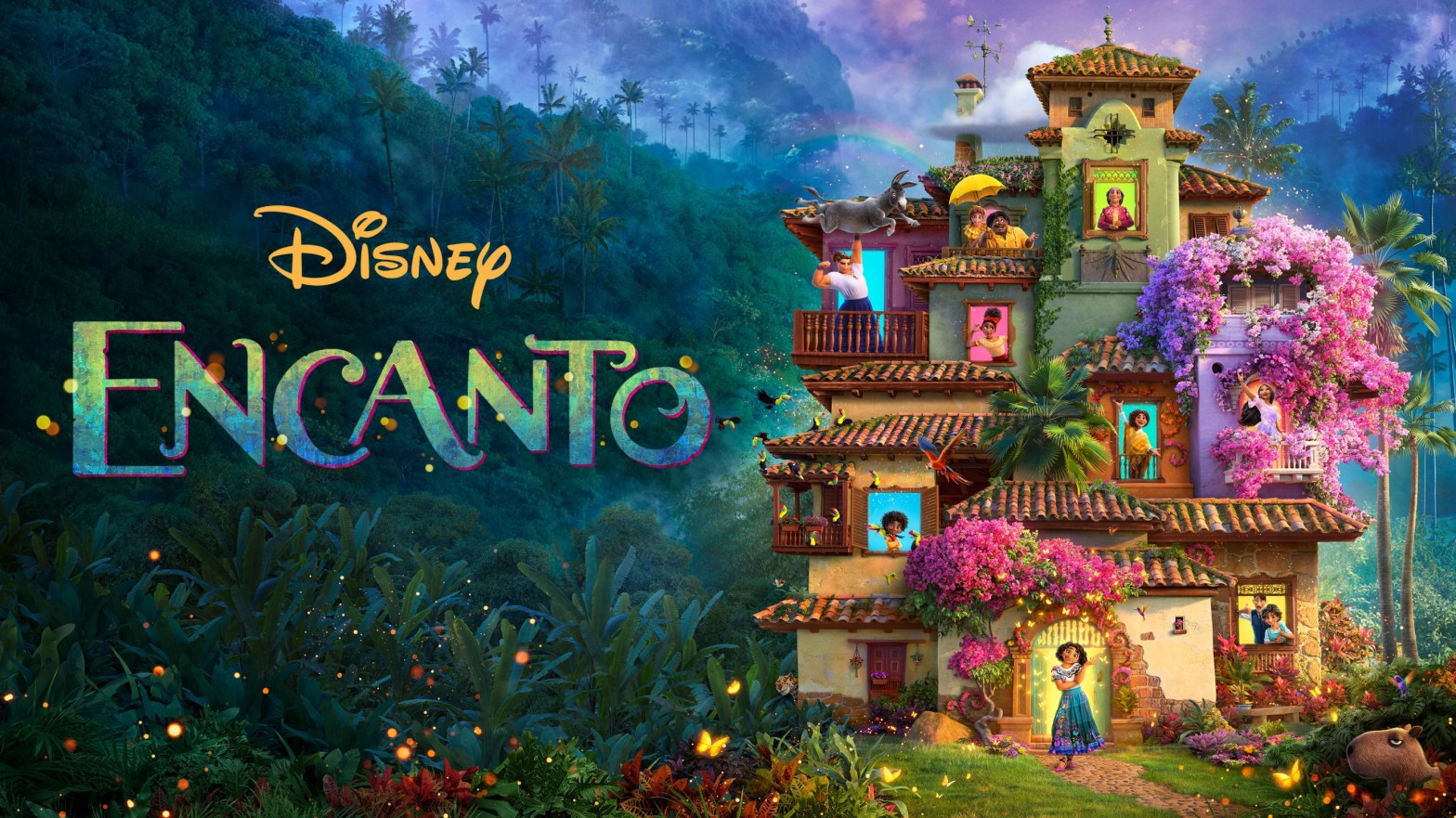
Encanto Review

As the Disney animated canon expands, there’s a need to diversify the leads and stories. With Hollywood in general, there’s plenty of room to focus on other Latin American cultures. For the sixtieth film in Disney’s animated canon, a dive into a close-knit Colombian family is a step in the right direction. Expanding upon something established, the theme of the uniqueness of everyone is interpreted on a literal level. Continuing the combination of old and new is the return of Lin-Manuel Miranda to produce new songs for this film.

The diversity of this film also extends to the various members of the Madrigal family. Outside of the diversity in talents, the Madrigals show diversity in character designs and personalities. In a progressive move, there are Afro-Latino characters along with other darker-skinned Latinx characters. Mirabel, the protagonist of the film, is a compelling and relatable character. Despite not having a gift, Mirabel is self-reliant and has plenty of love for her family. Her sisters, Isabela and Luisa, are convincing archetypes of their powers that learn to express themselves beyond their gifts. Bruno is the infamous family member that manages to become a notable comic relief. Mirabel’s abuela is a comforting familial leader who sees the value in using her family’s gifts for the greater good. The rest of the Madrigal family is also memorable in their own ways, with each member having the proper amount of screen time.

As time progresses, there’s a need to remind ourselves about not succumbing to the high expectations of others. And there’s also a need to not be tied down to one aspect of our lives. Having a down-to-earth character like Mirabel helps in getting these messages across. While there are some comedic elements, the film goes for a sincere approach that works to the film’s advantage. The direct connection between the powers and values of their users helps to create a deeper connection and emotional value. The approach to familial love may be familiar, but the journey to get there is creative, thanks to the various gifts of the Madrigals. Simplicity is the core of the emotional scenes, which is highlighted with intimate moments of dialogue. The bonds of the characters can carry the scenes in ways different from other animated Disney films. Despite the main plot not taking many risks, various plot points try to shake things up. Unlike other recent Disney films, the complexity is relatively simplified but holds plenty of relevancy.

Despite the setting being secluded, there’s plenty of life and vibrant colors from the visuals. Similar to The Hunchback of Notre Dame, the characters are confined to one area that is large in scope. The Madrigal “casita” holds many surprises in the various rooms and becomes a character itself. All the buildings and surrounding greenery have plenty of diversity in color choices and brightness. The variety in gifts also leads to plenty of visual splendor, with the animators taking advantage of the creative potential. For the character designs, the women are stylized relatively perfectly, while the men contain exaggerated features. Various elements such as clothing and food work well in displaying Colombian culture respectfully. In terms of musical numbers, Lin-Manuel Miranda managed to create more memorable Disney tunes. However, they’re not on par with his songs from Moana. Asides from the out-of-place “Surface Pressure,” the rest of the soundtrack feels in line with other Disney songs. While Stephanie Beatriz’s singing may not be flawless, the flaws in the singing compliment her portrayal of Mirabel.

Overall, Encanto brings to life Colombian culture in a familiar but refreshing way. The characters are all on equal footing, with each character developing a personality outside of their gifts. The familial tone matches well with the enclosed location while creating some literal magic within those confines. There’s plenty of emotional moments with a lesson that exemplifies Disney’s dedication to complexity. Despite not being among the best Disney musicals, the songs are great and serve their purpose. This film manages to expertly balance elements of small and large scale, along with an emotional core that stands out.

DISNEY ANIMATED CLASSICS RANKING: 14 of 60*

*Ranking as of the time of writing this review

SCORE: 9/10

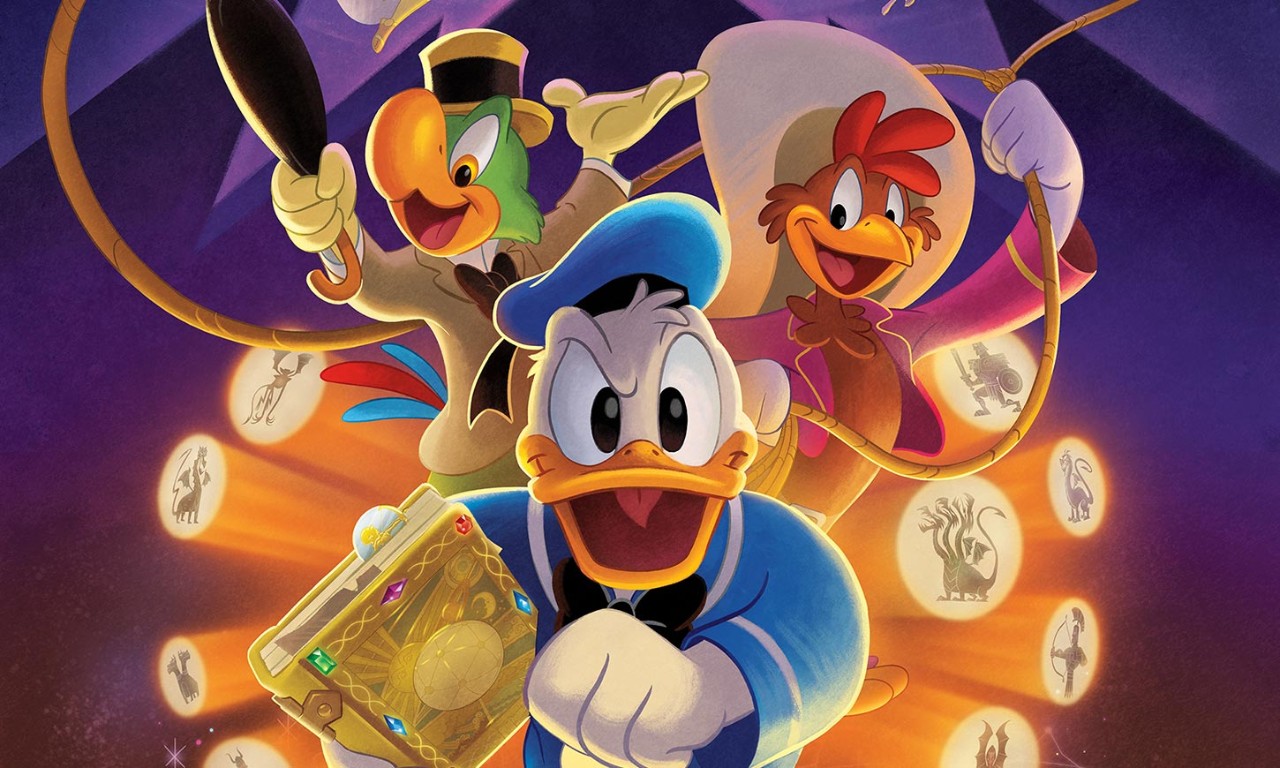
Legend of the Three Caballeros Review

Disney has a long history of adapting its animated classics into television spin-offs, ranging from their early classics to some of their most recent fare. How can The Three Caballeros, a film that centers on Donald Duck hanging out with his Latin American friends and serving as a love letter to Latin American culture, become a spin-off? The answer is quite simple: turning the protagonists into superheroes and making them work together to defeat a mystical evil force.

Legend of the Three Caballeros is about the titular protagonists, Donald Duck, José Carioca, and Panchito Gonzalez, inheriting a magical atlas with a Greek goddess trapped inside. With the Goddess of Adventure, Xandra, they travel the world to stop the evil deeds of Lord Felldrake Sheldgoose and Baron Von Sheldgoose. The series initially premiered on the DisneyLife streaming service in the Philippines in June 2018, with additional releases in Japan on the Disney Deluxe streaming service in June 2019 and in the U.S. alongside the launch of Disney+ on Nov. 12, 2019.

Departing from Disney’s other TV spin-offs, this show is a reimagining of its source material. As a throwback of sorts, the show has a simple structure and characters, being more akin to classic Disney shows from the Disney Afternoon. At the core is a simple “good vs. evil” story that has superhero elements similar to the Marvel Cinematic Universe, combined with the globe-trotting and adventure from DuckTales.

The closest source of complexity is the lore and overarching narrative that is present throughout the series. Instead of being a simple group name, The Three Caballeros is a group that fought the forces of evil, comprised of the ancestors of the protagonists. The Duck-Sheldgoose feud has an extensive record that goes all the way back to the timeline of the original Caballeros.

The titular protagonists are all expanded, particularly in comparison to the original film. Donald is his usual temperamental self, as he learns to overcome his anger issues while being a leader for the group. José maintains his suave personality, as he uses his abilities to get in and out of trouble to his advantage. Meanwhile, Panchito maintains his energetic personality and is an overall nice guy that learns to become more outgoing. The trio can bond as quickly and organically as they did in the original film due to them all having similar interests and different personalities that complement each other well.

All of the new characters easily fit within the larger Mickey Mouse universe. Xandra is a compelling character that is smart and resourceful, as she has to adjust to the modern world. Baron Von Sheldgoose is the typical incompetent leader, but his personality and voice performance make him entertaining. Serving as his foil is Lord Felldrake, a family member trapped in a physical staff and looking to escape. The chemistry of these two characters is flawless, as the two are both menacing and comedic.

The animation and art style serve as the perfect metaphor for the combination of classic and modern elements. There are solid action scenes and slapstick humor, along with fast-paced and fluid animation. The expansive world of the Mickey Mouse universe is emulated perfectly and updated to reflect the modern era of the 21st century. All of the classic characters resemble their iconic designs, combined with the implementation of modern technology.

While most of the show works well, there are a couple of minor problems. Throughout the show, there are instances of toilet humor, but these jokes are used sparingly. Jaime Camil, Panchito’s voice actor for the show, delivers a good performance but doesn’t have the same energy as Carlos Alazraqui. The only legitimate problem from a modern perspective is the toxic relationship between Donald and Daisy. Despite their bickering stemming from the classic comedic appeal of Donald Duck shorts, it feels out of place in a contemporary and story-driven environment.

For a premise that seems bizarre on paper, Legend of the Three Caballeros succeeds with ease. The episodes and overarching narrative contain great storytelling along with plenty of action, adventure, and heart. Familiar components from The Three Caballeros are integrated, with the new elements complementing established ones for a unique experience. This show is a perfect watch for those that enjoy classic and modern Disney storytelling.

SCORE: 10/10

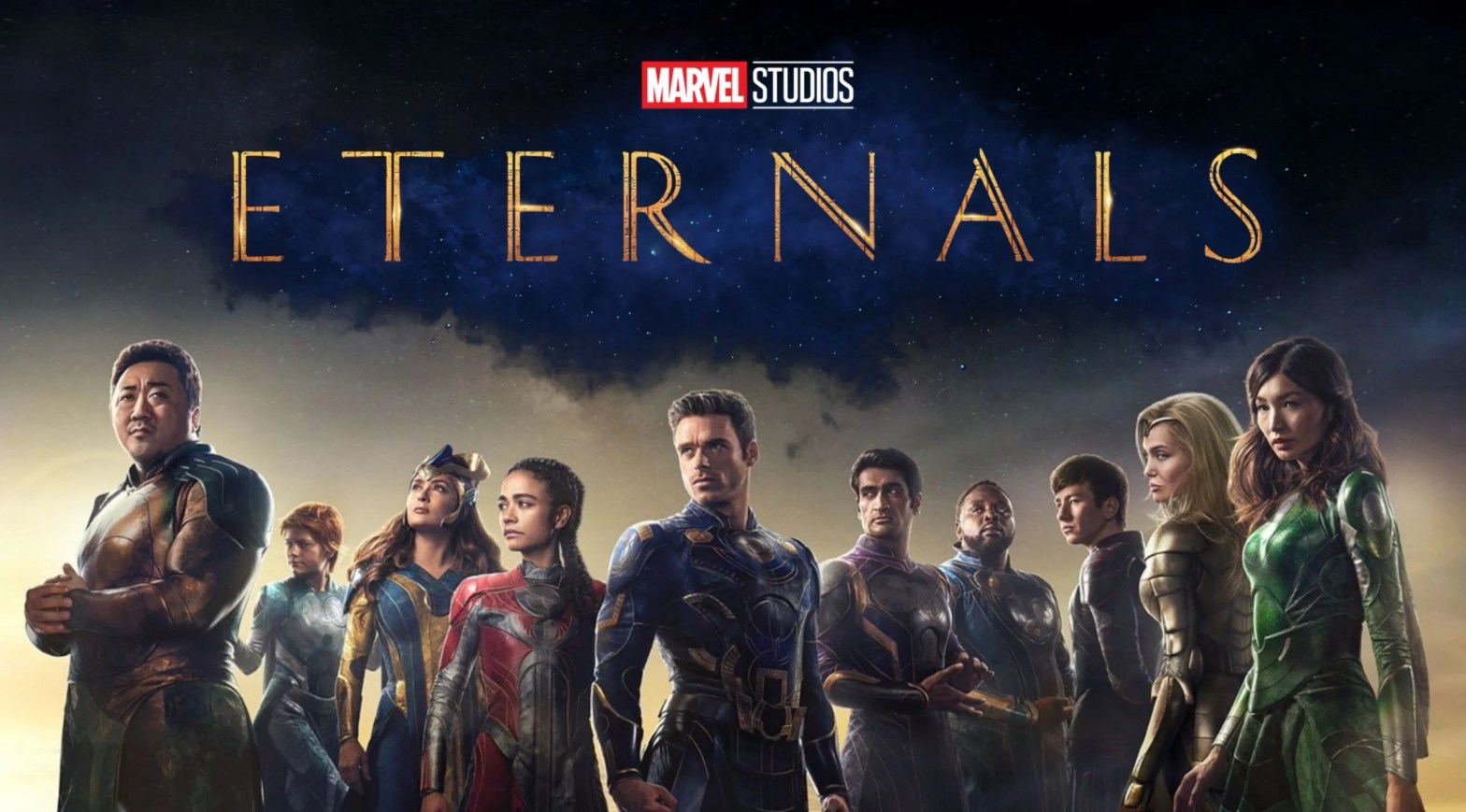
Eternals Review

WARNING: Minor spoilers ahead!

Outside of expanding the multiverse, the MCU has also expanded with more powerful characters. Entities such as the TVA are just the tip of the iceberg, as more powerful characters get added. With the introduction of the Eternals, the scope of the MCU is increased even further. In a similar case to the Asgardian gods of the MCU, the film needs to create a more convincing conflict to challenge these characters. Fortunately, the struggles within the group help to raise the stakes and make things interesting.

With a large cast of characters, it’s a miracle that most of the characters made an impact. As a lead, Sersi works as a compelling and sympathetic character despite being a run-of-the-mill protagonist. Ikaris, on the other hand, is an engaging and complex character that benefits from a lack of humanity. A first for the MCU, Ikaris is the type of character the believes he’s doing good but ends up doing more harm. The leader of the Eternals, Ajak, is also compelling and caring despite a lack of screen time. Kingo is a standout comic relief character, while Sprite is a clever mix between Loki and Peter Pan. Surpassing Sersi in their passion for humanity is Phastos, as he manages to showcase his helpfulness through his powers and empathy towards others. Thena works well as a fierce warrior with emotional battle scars, with Gilgamesh complimenting her as a loveable brute. Makkari is another standout as she gets out a lot of emotion through facial expressions and sign language. She also has plenty of chemistry with Druig, despite him having a detached personality and emotional turmoil. Despite not having too much screen time, Dane Whitman is a compassionate boyfriend towards Sersi. While the longer runtime for the film may deter some viewers, it’s worth it for these characters and fleshing out many of their personalities.

Unlike the rest of the MCU, this film has certain character decisions and plot elements that aren’t entirely straightforward. The Deviants are another set of lifeless CGI monsters (despite attempts at humanizing the main Deviant), but they’re not the main point of antagonism. Fortunately, the conflicts among the Eternals are the main focus, and their developed personalities make their disagreements deeply interesting. It’s a nice change of pace for the Eternals to not be unanimous in thought, but each member does have some compassion towards humans. The value of life is pushed to its limits while questioning the value of humanity. In addition, the scope of the conflict makes it hard to ignore, and hopefully, the rest of the MCU becomes involved with the problems of the Eternals. One notable suggestion that could have improved this film and the characters is having Dane join the Eternals on their quest. Outside of fleshing out Dane, it would have added to the conflict and created an engaging love triangle between Dane, Ikaris, and Sersi.

There’s plenty of admiration for the creativity of the visuals and action scenes. The costumes are a mix of simplistic and futuristic, even if they’re not always present. In a similar vein to Doctor Strange, the powers of the titular characters are visually impressive and distinct. This creativity is also reflected in the action scenes, with plenty of visual marvels and providing a new take on well-established superhero powers. The vast scope of the Earth and the larger universe are portrayed fascinatingly, with the Celestials being larger than life creatures. With their globe-trotting adventures, each location in their travels is visually distinct and pleasing natural eye candy.

Overall, Eternals stands out from the rest of the MCU due to its scope and complex characters. Most of the cast can stand out on their own, with the visuals to back their personalities. There are more stakes than usual, thanks to the complexity and character choices. While the film could be improved with some alterations, the final product is still engaging. As the MCU continues to expand on a larger scale, there will be more larger-scale stories.

SCORE: 8/10

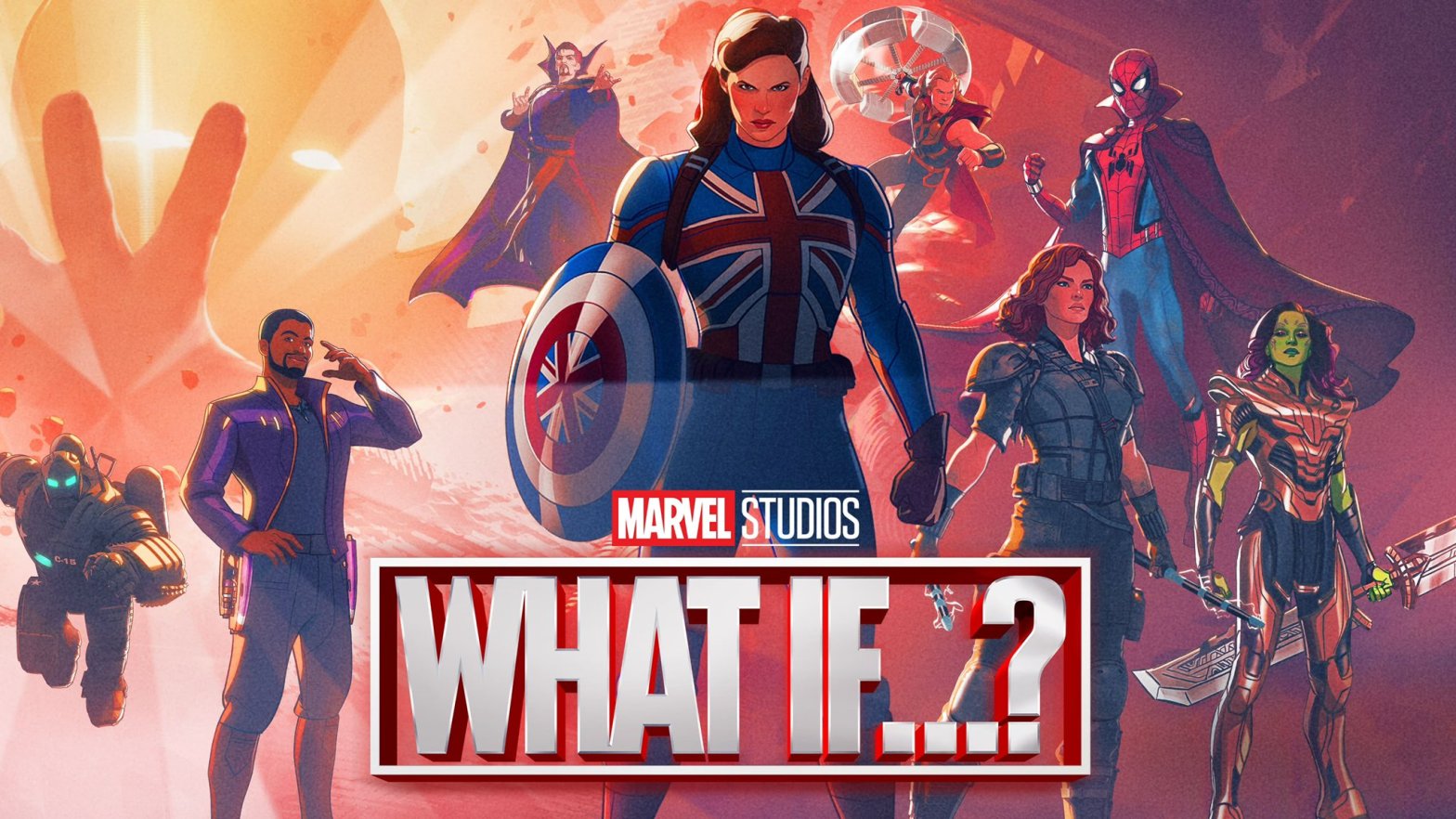
What If…? (Season 1) Review

In the MCU’s continued efforts to translate the comic pages onto the screen, they’ve resorted to adapting a creative concept. With Phase 4 expanding the multiverse, there’s been a sense of curiosity if certain moments went differently. With this series, the audience gets a glimpse into alternate scenarios of key MCU moments. Through the medium of animation, the storytelling becomes more ambitious and increases the scope of the series. There’s also plenty of potential creativity from the premise that each episode manages to fulfill to a certain extent.

The variety of the multiverse provides a variety in character personalities, with a wide array in the number of changes. Some characters relatively stay the same such as Killmonger and Zombie Slayer Spider-Man, while others drastically change, such as Frost Giant Loki and Doctor Strange Supreme. With each episode, there’s a definite focus on specific characters. In some instances, such as for Jane Foster and Ultron, the targeted focus allows them to become compelling characters. The amount of characters that appear in the series is massive and showcases the vast scope of the MCU throughout the years. There’s difficulty in choosing a specific character that stands out, as the various variants such as Captain Carter and T’Challa Star-Lord are on the same scale of greatness. The Watcher himself is an engaging narrator that showcases his massive power as the show progresses. Even with the various changes in these alternate universes, the spirit of the characters remains the same.

In a multiverse of stories, there’s a need to take some risks in the deviations of alternate universes. While a few episodes are generally optimistic and light-hearted, there are plenty of dark turns and tragic endings. With a long-standing criticism of the MCU being too light-hearted, these more depressing stories are a welcome change of pace. In all episodes, they capture the ambiance of the films perfectly. There’s a delicate balance between the individual episodes and their interconnectedness towards the end of the season. While some episodes make more alterations than others, they all work well in being unique while feeling connected in the larger MCU multiverse. Despite some of the endings, there’s potential for expansion on some of these universes in the future.

With many MCU actors reprising their roles, it creates a sense of continuity between this series and the live-action efforts of the MCU. Regardless of whether it’s an A-list actor or a relatively obscure actor, all of the returning MCU actors put in the same amount of effort into their performance in this show. In most cases where an actor couldn’t reprise their role, their voice actor stand-ins can emulate the emotions and inflections of their respective characters. Of these stand-in actors, some notable examples include Josh Keaton as Steve Rogers and Lake Bell as Black Widow. In addition, the animation is impressive and captures the likenesses of the actors in their live-action form. As the show is animated, the action is more creative and visually spectacular on a larger scale.

Overall, What If…? is a spectacular companion piece to the MCU’s expansion into the multiverse. The production value shines, along with the animation allowing for plenty of creative scenarios that would be difficult to emulate in live-action. Like in the comics, the changes of certain events lead to unique stories, both positive and negative. The ambiance of the episodes matches those in the films, along with the further appreciation for certain MCU characters. As the walls of the MCU multiverse shatter, hopefully, it leads to more screen time with some of these variants of beloved MCU characters.

INDIVIDUAL EPISODE REVIEWS – WORST TO BEST

  1. What If… Thor Were an Only Child? = 8/10
CREDIT: Marvel Studios/Disney+

Despite being the weakest episode of the season, it’s still plenty of fun and provides a sense of levity. Party Thor feels in line with the more comedic version of the character established in Thor: Ragnarok, though with a lower amount of responsibility. Like what WandaVision did for Darcy, this episode makes Jane Foster into a likable character. Her relationship with Thor is fun and compelling (and hopefully translates into Thor: Love and Thunder), with their chemistry being strong. Characters such as Captain Marvel, Loki, and Maria Hill have their moments to shine, on top of the vast amount of cameos. Unfortunately, the conflict and repercussions of Thor’s partying are downplayed and hampers the emotional weight.

  1. What If… Killmonger Rescued Tony Stark? = 8/10
CREDIT: Marvel Studios/Disney+

Killmonger gets to shine in this episode and gives a glimpse into a scenario where he obtains power. Serving a similar role to Palpatine in the Star Wars prequels, Killmonger cleverly manipulates both sides to be the ultimate victor. The chemistry between Killmonger and a weapon-crazy Tony Stark is on-point due to their similarities. While not as much as other characters, Pepper becomes somewhat more compelling as a watchdog towards Killmonger. The disappointing part of the episode is how the entire episode is merely a set-up for a story that is waiting to get out and bloom. For what the episode offers, it does a great job at highlighting the dangers of weapons for war.

  1. What If… Captain Carter Were the First Avenger? = 9/10
CREDIT: Marvel Studios/Disney+

For the start of the series, this episode is plenty of fun and filled with action-packed scenes. This episode is also a “what if?” for Captain America: The First Avenger, if it had more compelling characters and immersed with a lighter tone. Peggy Carter is a compelling super-soldier, with the body to match her bravery. Howard Stark is a loveable pseudo-sidekick to Captain Carter, as regular Steve Rogers is a likable underdog. The greater focus on the simplistic good vs. evil dynamic enhances the emotional weight while capturing the ambiance of World War II. Unlike the primary MCU universe, there’s some build-up to the need to overcome prejudice, with Captain Carter’s actions reflecting the social commentary response.

  1. What If… the World Lost Its Mightiest Heroes? = 9/10
CREDIT: Marvel Studios/Disney+

A compelling MCU murder mystery that highlights Black Widow and Nick Fury. The gradual takedown of the various members that made up the Avengers Initiative is fascinating but somewhat disturbing. Like all great murder mysteries, the build-up and payoff are satisfying, with some level of sympathy towards the culprit once revealed. Black Widow once again gets to showcase her top-tier spy and sleuthing skills, while Nick Fury makes for an intriguing detective. Coulson also gets some memorable lines throughout the episode. Even with the amount of depression that comes from the murders of Earth’s Mightiest Heroes, the episode also highlights the optimism of hope.

  1. What If… Zombies?! = 9/10
CREDIT: Marvel Studios/Disney+

In this interpretation of a zombie apocalypse, various characters of various significance get their moments to shine. More so than the films, this episode showcases the appeal of Spider-Man, and how his eternal optimism influences his heroism. Major characters like Bruce Banner and the Wasp feel grounded and complimented with comic relief from the likes of Kurt and Happy Hogan. While there isn’t much innovation to the zombie genre here, the strength of the character chemistry makes this episode stand out. Seeing certain heroes as zombies also shows their level of harmfulness from a different perspective. Tonally, there’s a sense of growing tension as more characters become succumbed to the zombie virus.

  1. What If… the Watcher Broke His Oath? = 9/10
CREDIT: Marvel Studios/Disney+

Similar to the battle of New York in the first Avengers film, there is plenty of epic moments and action in this season’s finale. The best part of the episode is the references and connectivity to previous episodes. Each character in this team-up stands out, with their chemistry showing plenty of strength. However, the epic battle starts slow and gradually increases in scope. The slow build does become worthwhile once the twists occur as the fight progresses. The clashing of these characters contains some of the best visuals and action scenes of the season. Also, like the first Avengers film, this is a team-up that’s begging to continue at some point.

  1. What If… Ultron Won? = 9/10
CREDIT: Marvel Studios/Disney+

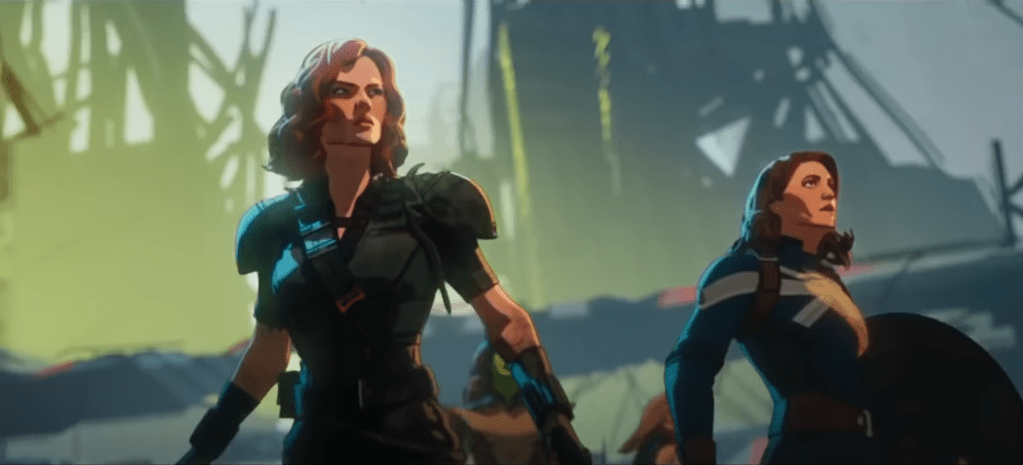
Now here’s the threatening Ultron that should have been in Age of Ultron. The amount of intimidation that comes from Ultron’s destructive escapades showcases how much of a threat he poses to humanity. With Ultron showcasing his full potential, it leads to the Watcher finally showcasing his massive amount of power. As the final human survivors of their universe, Hawkeye and Black Widow have the right amount of gritty and groundedness, with a similar dynamic to their variants in Avengers: Endgame. This episode also perfectly captures the “end-of-the-world” ambiance portrayed in various post-apocalyptic stories. Seeing the literal shattering of barriers is amazing and foreshadows the madness coming in future MCU projects.

  1. What If… Doctor Strange Lost His Heart Instead of His Hands? = 10/10
CREDIT: Marvel Studios/Disney+

With the amount of creativity in its portrayal of dark magic, this episode is a satisfying tease for Doctor Strange in the Multiverse of Madness. Similar to Shang-Chi and the Legend of the Ten Rings, this episode effectively displays grief after witnessing a death. In addition, it showcases how that grief can become dangerous, even with the best intentions. As with the first Doctor Strange film, the visuals are creative and showcase plenty of variety. There’s an appeal to seeing this misguided Doctor Strange and how it leads to an internal conflict that goes externally. Wong and the Ancient One are charming as usual, with a newfound appreciation for Christine Palmer after the number of deaths she goes through. More so than any episode this season, this episode highlights the significance of “absolute points” in a universe.

  1. What If… T’Challa Became a Star-Lord? = 10/10
CREDIT: Marvel Studios/Disney+

While this episode is fantastic in its own right, there’s an extra layer of emotional appeal due to this series being the last project for the late Chadwick Boseman. This episode works well as a futuristic version of the Robin Hood legend, with T’Challa and the Ravagers doing good for the masses. T’Challa is a lovable rogue in-universe and in general, as he makes for a compelling Star-Lord that has more of a moral compass than Peter Quill. Working well off of T’Challa is the Ravagers, with each member getting their time to shine. Carried over from Guardians of the Galaxy Vol. 2 is the loving bond between Yondu and Star-Lord, with T’Challa having more friendly chemistry with Yondu. In this pool of episodes filled with tragedy, it’s nice to have a scenario where an alteration can breed plenty of positive impacts.

SCORE: 9/10

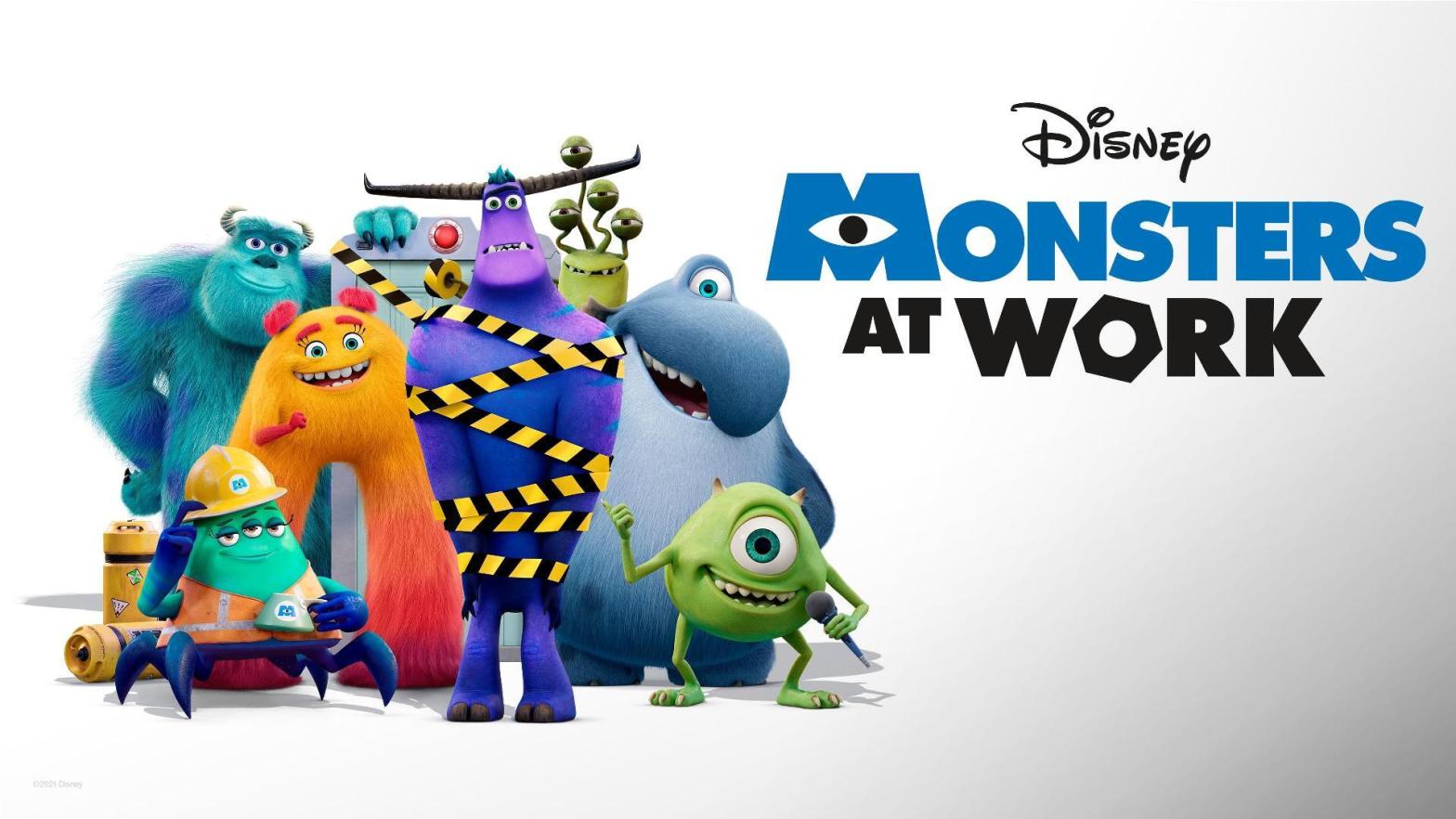
Monsters at Work (Season 1) Review

Disney TV Animation is back with another adaptation of a Pixar franchise and the first since Buzz Lightyear of Star Command back in 2000. In the twenty years since Monsters Inc. was released, the franchise has maintained some relevancy with memes and a prequel. Helping to connect the dots further for the franchise is this series, with a premise that justifies the existence of the prequel. And just like the prequel, the show contains interesting ideas but cliche storytelling and characters.

Like any TV adaptation, there’s a good amount of old and new characters. The new characters mostly have one personality trait, though this flaw has minimal impact on their engagement value. Tylor Tuskmon is the typically misplaced newbie who seeks to accomplish his goal. The other members of MIFT (Monsters Inc. Facilities Team) are compelling but one-dimensional, ranging from the eccentrically enthusiastic Val to Duncan, the discount Randall Boggs. However, with the overall simplicity of the series, the characters fit in relatively well, and they end up being more compelling than expected. In terms of returning characters, all of them serve their purpose in their secondary roles. It’s interesting to see Mike and Sulley take up leadership roles as they continue to work well off each other. The return of Billy Crystal and John Goodman helps to create a sense of continuity with the films. Having voice actors such as Henry Winkler and Mindy Kailing adds to the credibility of the series, with the voice cast of the new characters adding personality to the characters.

While recent Disney TV Animation efforts utilized complex and overarching storylines, this series falls back on simple storylines that would have been acceptable 20 years ago. One-dimensional characters can be salvaged by compelling acting, but the simplicity of the storylines is difficult to stomach. Like Monsters University, the storylines contain relevant themes but end up having predictable outcomes. This wouldn’t be much of an issue if the writing offered more creativity. In comparison to recent Disney TVA efforts, the storylines are taking steps backward in progression. Even the more recent movie-based Disney TVA shows such as Rapunzel’s Tangled Adventure and Big Hero 6: The Series managed to attempt complex storylines. While there was some level of predictability in those shows, the journey to get there was unique and engaging. With storylines ranging from saving the company from closure to personal conflicts between coworkers, the writing offers nothing new. One standout episode is “Adorable Returns,” as it enhances the world-building with unique elements. The one major highlight found in most episodes is the closing “Mike’s Comedy Class” segment, as it breaks up the formulaic aspects of the show. The overall comedy is good but doesn’t go above the quality of humor from the films.

With the advancements of CGI since the release of Monsters Inc., Disney TVA managed to emulate the visual style of the original film. While the CGI may not be as advanced as modern Pixar standards, the limitations work to the advantage of the show. The character designs of the new characters continue the creative tradition established in the previous entries. In comparison to other CG Disney TVA shows, there’s more effort in the details. In addition, the color palette relies on duller colors to emphasize the work environment. In terms of music, the score is entertaining. Dominic Lewis does a great job of emulating Randy Newman’s musical cues from the film. The acapella rendition of “If I Didn’t Have You” is compelling, along with the remixes during the end credits.

Overall, Monsters at Work starts off with some entertaining moments and the return of familiar faces, even if the storylines and new characters feel cliche. The older characters help establish some familiarity while the new characters feel run-of-the-mill. While a nice deviation, the storylines for individual episodes are stock to the point of being predictable. Despite the cliche nature, the show is more enjoyable than expected and further enhanced with the animation. With the news of a second season, there’s hope that the show can develop further into its own identity.

SCORE: 7/10

Shang-Chi and the Legend of the Ten Rings Review

WARNING: Minor spoilers ahead!

As the MCU expands with more characters, there’s a need to increase diversity. While Phase Three expanded with Black and female-led films, Phase Four seeks to include more leads from minority groups. In addition, the MCU has been involved with Asian-related controversies, ranging from the whitewashing of the Ancient One to the white savior trope in Iron Fist. Fortunately, this film does justice to Asian culture while making the characters and lore fit in with the rest of the MCU.

Arguably the strongest strength of the MCU is its protagonists, which continues with the titular character. For a character rooted in negative Asian stereotypes, this interpretation of Shang-Chi manages to overcome those problems. Shang-Chi is an endearing character who learns to embrace his destiny in a straightforward but creative manner. Complimenting Shang-Chi is the equally likable Katy, as they are one of the best duos in the MCU. Katy is a compelling comic relief that has some level of depth that usually isn’t seen in most MCU comic relief characters. The other family members of Shang-Chi’s family, Xialing and Wenwu, are both menacing but sympathetic. Wenwu, in particular, is unique due to being a complex antagonist instead of a straightforward villain. While Wenwu has done acts of villainy, he’s shown to not be far from redemption and showcases plenty of familial love. Meanwhile, Xialing is a fierce and dominant sister despite not being as developed. More minor established characters such as Wong and Travis Slattery are welcome and humorous additions to the film.

The best way to describe this film is: “the more things change, the more they stay the same.” However, this phrase is not a criticism against the film, as these elements are executed well for the most part. This film incorporates familiar elements such as fatherly issues, a climax with CGI monsters, and an evil version of the protagonist. Setting this film apart from past MCU films is the focus on the complexity of the characters. The conflict between Shang-Chi and Wenwu is gripping due to their disagreements but still having a shred of compassion for each other. While the climax may feel familiar in tone and scope, the film progressively shakes things up with the level of importance of the threats. In a change of pace from other MCU films, this film is more exposition-heavy than usual. Despite being among the slower parts of the film, the lore is fascinating and helps add to the overall emotional weight.

Despite treading familiar territory with its themes, the film does an excellent job at compellingly conveying those themes. The first of these themes is living up to your full potential and embracing your destiny. While these arcs are executed in a typical manner, the timing of the characters learning these themes is different. Shang-Chi learns to embrace his full potential by the midpoint as his loyalty to his destiny is tested in the climax. The second prominent theme of the film is coping with the loss of loved ones. Coincidentally, Shang-Chi was released a few days after a What If?… episode that also dealt with loss. The conflict between Shang-Chi and Wenwu serves as the thematic representation of this theme. The emotional weight stemming from how both characters cope with the loss of Ying Li (Wenwu’s wife / Shang-Chi’s mother) is the main driving force of the conflict.

Aesthetically, this film is on par with other MCU outings, with unique elements from Asian influences. Unlike the disappointing action in the Mulan remake, this film’s action properly pays homage to the action of wuxia films. As this film is more grounded (despite the Ten Rings artifacts), the combat is intense on a small scale. Meanwhile, the climax continues the tradition of epic action while maintaining the grounded heart of Shang-Chi’s conflict. However, like Black Panther, the CGI is a bit too excessive in the climax (though not as bad). The score contributes to the Asian ambiance, while the visuals of Ta Lo are fantastically rooted in Asian culture.

Overall, Shang-Chi ventures into both old and new territory, with charming characters and grounded conflicts. The action seamlessly incorporates martial arts and other wuxia action into the superhero action fold. Despite recycled elements such as fatherly issues and a battle with CGI creatures, this film manages to make these elements unique. Like Black Panther did for Black people, this film will surely make an impact on Asians.

SCORE: 9/10

Star Wars: The Bad Batch (Season 1) Review

As the fourth full-length animated series in the Star Wars canon, expectations are becoming more intense. With the series being a spin-off of the highly-beloved The Clone Wars, those expectations are even higher. Fortunately, much of those expectations are met, even if there are areas that need improvement. In contrast to Star Wars Rebels, this series sees the initial rise of the Galactic Empire and its short-term impacts. Like the titular group (and its fellow animated Star Wars shows), the show is finding its footing in what it wants to accomplish.

Ever since their appearance in the seventh season of The Clone Wars, Clone Force 99 (a.k.a. the Bad Batch) has grown to become their own family unit as they navigate the galaxy after the end of the Clone Wars. However, some of the members of the group get more character development over others. Hunter works well as a father figure and possesses admirable leadership skills. Omega, the newest member of the group, works well due to her wide-eyed innocence and having her own set of strengths and weaknesses. She is a refreshing change of pace from the other child entry-point characters in previous Star Wars shows. Complimenting her as the big brother of the group is Wrecker, highlighted by his massive build and a kind heart. Omega and Wrecker’s chemistry is the strongest among the group, with their bond eliciting some of the most powerful emotional moments of the season. Serving as the odd man out is Crosshair, who works as a great foil to the rest of the group, though he could have been more impactful with more screen time. The members getting the short end of the stick in terms of development are Echo and Tech, with both being relegated to one-dimensional roles. Tech is unfortunately relegated to the genius stereotype, while Echo is the droid of the group in a figurative and literal sense. Each member compliments each other, though there’s more balance needed for them to be as memorable as the Ghost crew from Rebels.

Accompanying the titular characters is the variety of old and new characters that appear throughout the season. In terms of established characters, there’s plenty of familiar faces that show up as a means of expanding the Star Wars universe, including Captain Rex, Fennec Shand, and Hera Syndulla. These types of appearances are easily the highlights of their respective episodes, along with some fleshed-out details. There’s also a variety of new characters outside of Omega, with varying degrees of memorability. Characters such as Vice Admiral Rampart and clone trooper Howzer are easily memorable and feel in line with similar Star Wars characters, while characters like Cid lack memorability and a compelling personality.

Like other Star Wars shows, this series’ first season is clearly trying to find its footing similarly to the titular group. The overall flow of the season is clearly more episodic than usual, and the various mission-based episodes aren’t as great as those in The Mandalorian. The quality of the overarching narrative is a double-edged sword due to being contingent on the ambiguity of the fate of the Bad Batch. However, each episode is entertaining in its own right, with the more significant episodes being among the most memorable. Some of these notable episodes include “Battle Scars” and “Rescue on Ryloth,” as they deal with important issues such as the clones’ inhibitor chips and the short-term impacts of the Empire, respectively. One strength of the season is the dive into the start of the Empire and how it impacted the lives of civilians and showcasing the origins of stormtroopers. While the “resistance” from the Kaminoans was kind of a dud, the existential crisis among the Bad Batch is more than worth it. Having Crosshair and the rest of the group clash over their purpose after the Clone Wars is compelling, with their different perspectives adding some much-needed complexity to the Star Wars universe.

One consistent source of quality is the animation, as it carries over the same art style from The Clone Wars. The various worlds are depicted with plenty of detail, with their own climates and danger. The fluidity of the animation also lends to the intense and action-packed fight scenes. In a show like this, Dee Bradley Baker impressively manages to juggle between different voices and personalities among the members of the Bad Batch, with Michelle Ang having a nurturing and innocent voice for Omega. Like The Clone Wars and Rebels, Kevin Kiner’s score enhances the experience of the show and fits well with the visuals.

Overall, The Bad Batch and its titular characters are off to a great start despite some flaws. The members of Clone Force 99 work well together, though some get more development than others. Seeing the state of the galaxy at the start of the Empire’s reign is somewhat compelling, as well as the clones discovering their purpose post-war. The experience is also enhanced with the quality of animation and action previously seen in The Clone Wars. While the storytelling may feel more episodic, all the episodes serve some purpose in the timeline or character development. Hopefully, later seasons can rectify its issues and be among the other animated Star Wars shows in terms of quality.

SCORE: 8/10

Luca Review

While Pixar is more known for their complex storytelling and characters, they can deliver simplistic storytelling. Not since A Bug’s Life has a Pixar film been simplistic in its storytelling and characters. Despite recent complex and emotionally heavy hits like Coco and Soul, this film takes a different direction with a simple story of childhood fun during the summer. However, even with its simplicity, the emotional stakes are on par with other Pixar films.

The most obvious example of simplicity in the film is the plot. In a similar vein to The Little Mermaid, the plot follows a desire for freedom and the joys of living in the human world. Setting it apart from Mermaid is the framing device of childhood fun during the summer, which is also reflected in the naivety of Luca and Alberto. Another notable departure for Pixar is the simplistic world-building. The only major world-building elements are the humans’ relationship to sea monsters (and vice versa) and sea creatures being able to transform into humans. With the focus on a small amount of world-building elements, it contributes to the pacing and overall simplicity of the film. Despite the simplicity of its structure, there are still a few unique surprises that make the film stand out on its own merits.

Even though the film is good overall, its characters are on the lower end of memorable by Pixar standards. The titular protagonist is a literal “fish-out-of-water” as he discovers the joys of human life. While simple in nature, Luca himself is still compelling due to the overall simplicity of the film. Alberto works as a mentor of sorts for Luca, with the duo having great chemistry and a strong friendship. Giulia also compliments the personalities of the two boys due to being an extroverted outcast. In a refreshing change of pace, this film has a grounded antagonist with Ercole, as he succeeds in being a fun but legitimate challenge against the protagonists. The rest of the characters are charming in their own right, with Machiavelli the cat being a standout character due to his humorous hostility. With the reliance on simplicity, the chemistry of the characters is what provides the emotional weight of the film. As a vessel of childhood fun, the film evokes a sense of nostalgia for adults from simpler times of “harmless” competition. Even with the inclusion of some predictable elements, the recreation of the joys of summer allows the emotional weight to resonate with viewers. The roles each character serves also help to enforce the message of respecting differences.

With the need to distinguish the worlds of the land and sea, both areas use their own set of colors. The oceanic world of the film utilizes plenty of bright greens and blues, while Portorosso is heavy on yellows and oranges. Another clever choice was the amount of brightness between both worlds. For comparison, the ocean world goes all out in brightness, while Portorosso manages to shine beautifully with its more muted color scheme. The character designs are visually creative and familiar, with the human designs being unique from your typical CG human characters; the designs of the sea monsters contain the usual features mixed in with unique facial features. Musically, this film follows in Ratatouille‘s footsteps with the incorporation of Italian-themed music and songs.

Overall, Luca succeeds with its simplicity, and it doesn’t feel the need to be among Pixar’s best films. This film has a laidback story that connects with our childhoods of summer fun and a visual style that creatively brings Italy to life. Despite the lack of depth in the characters and world-building, the emotional core is just about as solid as other Pixar films. While this film may be different from the usual Pixar fare, it succeeds as a welcome change of pace.

SCORE: 8/10

Design a site like this with WordPress.com
Get started