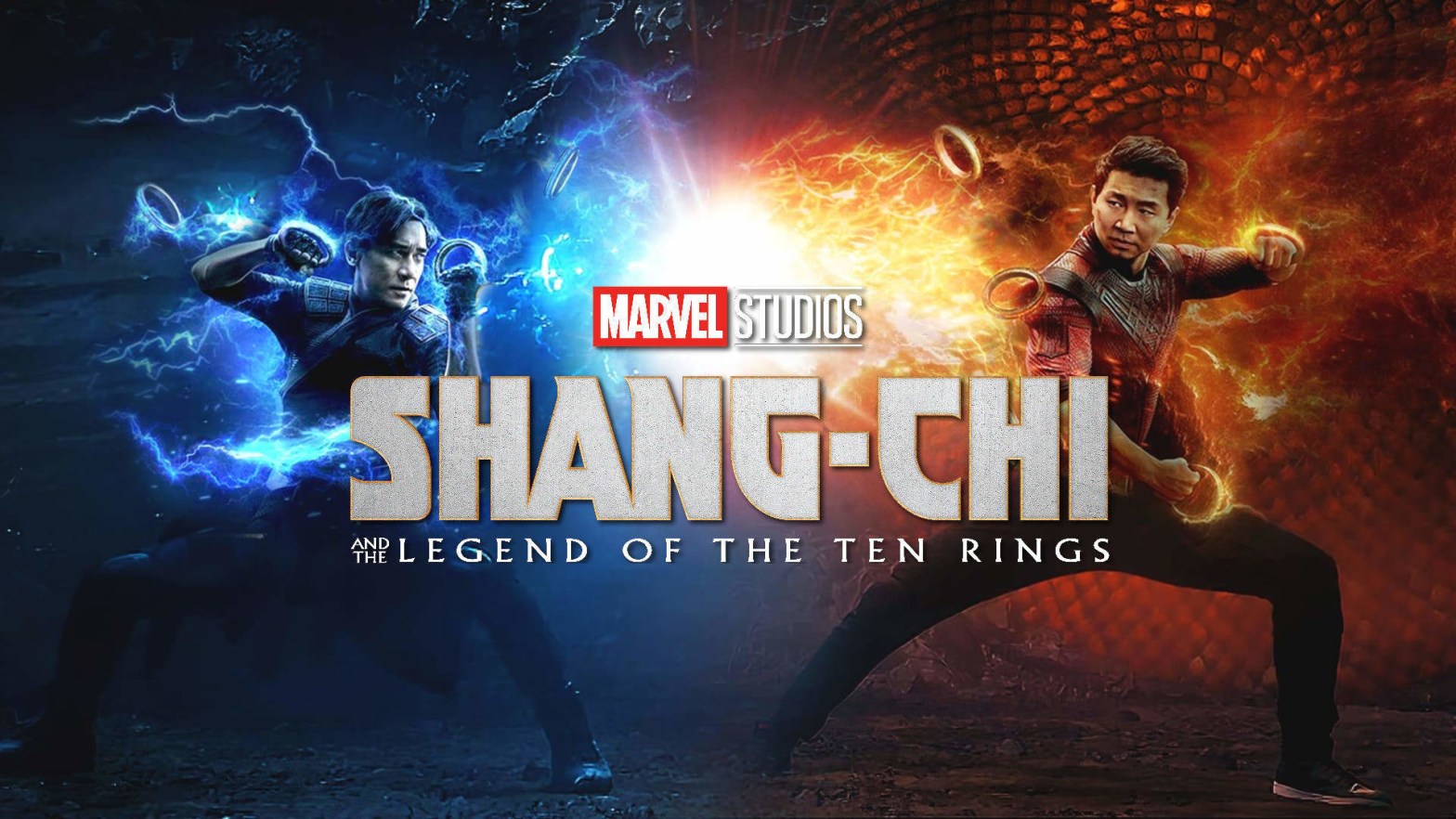
WARNING: Minor spoilers ahead!
As the MCU expands with more characters, there’s a need to increase diversity. While Phase Three expanded with Black and female-led films, Phase Four seeks to include more leads from minority groups. In addition, the MCU has been involved with Asian-related controversies, ranging from the whitewashing of the Ancient One to the white savior trope in Iron Fist. Fortunately, this film does justice to Asian culture while making the characters and lore fit in with the rest of the MCU.
Arguably the strongest strength of the MCU is its protagonists, which continues with the titular character. For a character rooted in negative Asian stereotypes, this interpretation of Shang-Chi manages to overcome those problems. Shang-Chi is an endearing character who learns to embrace his destiny in a straightforward but creative manner. Complimenting Shang-Chi is the equally likable Katy, as they are one of the best duos in the MCU. Katy is a compelling comic relief that has some level of depth that usually isn’t seen in most MCU comic relief characters. The other family members of Shang-Chi’s family, Xialing and Wenwu, are both menacing but sympathetic. Wenwu, in particular, is unique due to being a complex antagonist instead of a straightforward villain. While Wenwu has done acts of villainy, he’s shown to not be far from redemption and showcases plenty of familial love. Meanwhile, Xialing is a fierce and dominant sister despite not being as developed. More minor established characters such as Wong and Travis Slattery are welcome and humorous additions to the film.
The best way to describe this film is: “the more things change, the more they stay the same.” However, this phrase is not a criticism against the film, as these elements are executed well for the most part. This film incorporates familiar elements such as fatherly issues, a climax with CGI monsters, and an evil version of the protagonist. Setting this film apart from past MCU films is the focus on the complexity of the characters. The conflict between Shang-Chi and Wenwu is gripping due to their disagreements but still having a shred of compassion for each other. While the climax may feel familiar in tone and scope, the film progressively shakes things up with the level of importance of the threats. In a change of pace from other MCU films, this film is more exposition-heavy than usual. Despite being among the slower parts of the film, the lore is fascinating and helps add to the overall emotional weight.
Despite treading familiar territory with its themes, the film does an excellent job at compellingly conveying those themes. The first of these themes is living up to your full potential and embracing your destiny. While these arcs are executed in a typical manner, the timing of the characters learning these themes is different. Shang-Chi learns to embrace his full potential by the midpoint as his loyalty to his destiny is tested in the climax. The second prominent theme of the film is coping with the loss of loved ones. Coincidentally, Shang-Chi was released a few days after a What If?… episode that also dealt with loss. The conflict between Shang-Chi and Wenwu serves as the thematic representation of this theme. The emotional weight stemming from how both characters cope with the loss of Ying Li (Wenwu’s wife / Shang-Chi’s mother) is the main driving force of the conflict.
Aesthetically, this film is on par with other MCU outings, with unique elements from Asian influences. Unlike the disappointing action in the Mulan remake, this film’s action properly pays homage to the action of wuxia films. As this film is more grounded (despite the Ten Rings artifacts), the combat is intense on a small scale. Meanwhile, the climax continues the tradition of epic action while maintaining the grounded heart of Shang-Chi’s conflict. However, like Black Panther, the CGI is a bit too excessive in the climax (though not as bad). The score contributes to the Asian ambiance, while the visuals of Ta Lo are fantastically rooted in Asian culture.
Overall, Shang-Chi ventures into both old and new territory, with charming characters and grounded conflicts. The action seamlessly incorporates martial arts and other wuxia action into the superhero action fold. Despite recycled elements such as fatherly issues and a battle with CGI creatures, this film manages to make these elements unique. Like Black Panther did for Black people, this film will surely make an impact on Asians.
SCORE: 9/10
 Kenneth's Myriad of Media Blog