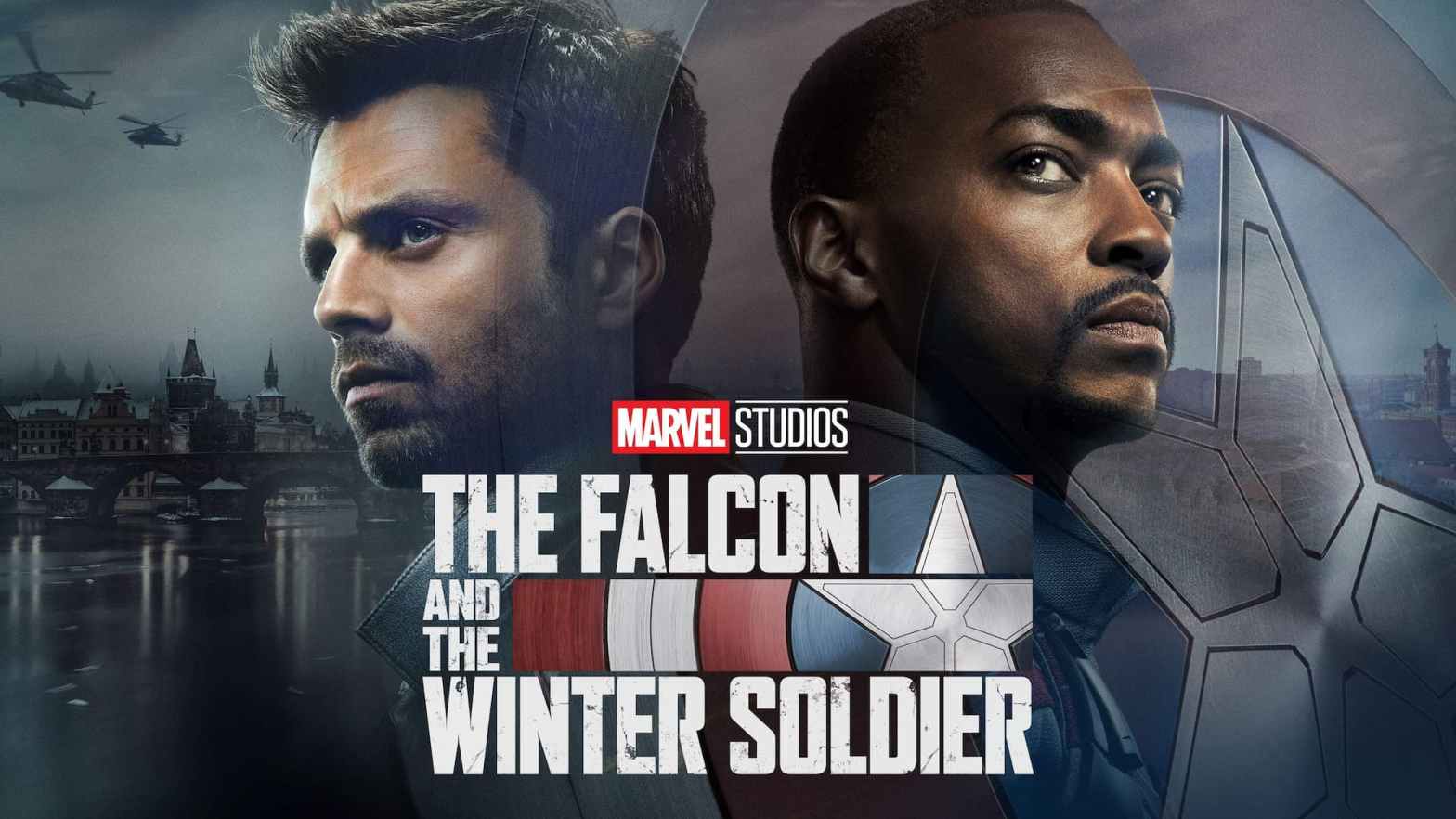
In contrast to WandaVision, this series falls more in line with the usual MCU format, despite being one of the more grounded MCU projects. With current events and the advocacy for Black rights, this series holds some relevancy and makes Falcon’s journey all the more impactful. Like WandaVision, this series continues focusing on secondary characters, with the execution having different levels of success. Also taking the grounded approach is the continued exploration of a post-snap world and how it shaped the characters.
CREDIT: Marvel Studios/Disney+
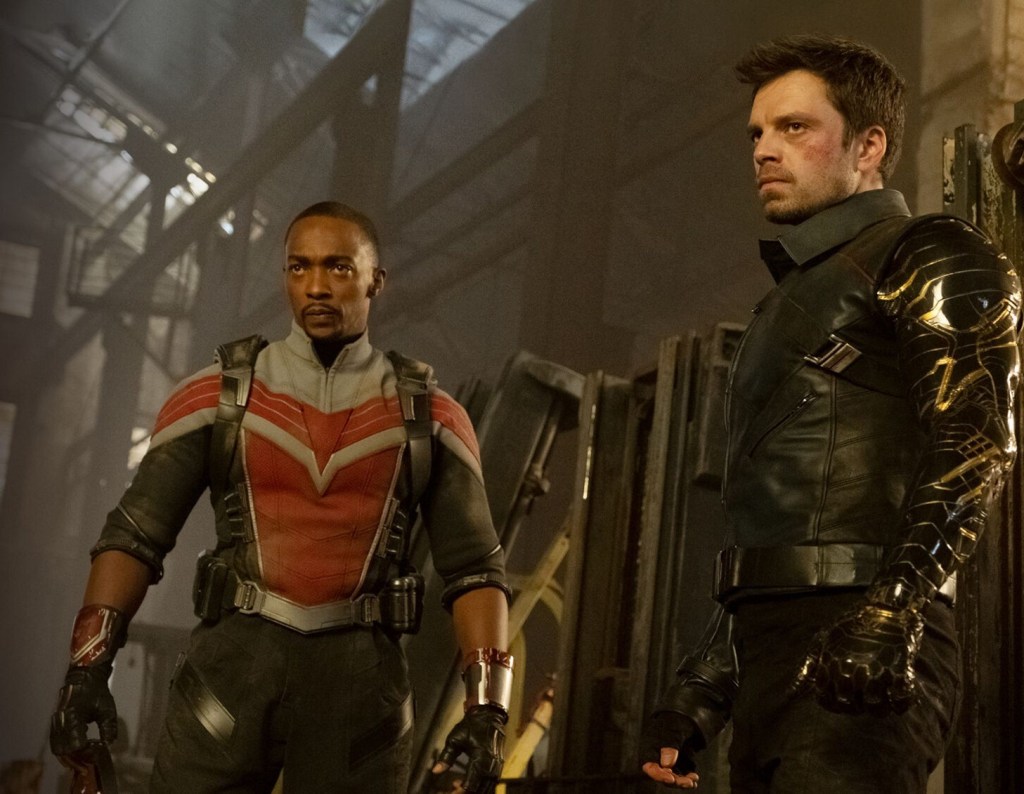
Even before this series, Sam (Falcon) and Bucky had some level of camaraderie, and their friendship continues to be a highlight. Their chemistry shines in both comedic and dramatic scenarios, and they both make a great crime-fighting duo. With their respective ties to Steve Rogers, the pairing of Sam and Bucky for this series showcases the legacy of Rogers and the significance of Captain America as an icon and ideology. Even apart, both characters are fleshed out further and showcase some engaging struggles with their respective arcs. Sam’s arc holds more relevancy, as he suffers from imposter syndrome and prejudice. There’s a pleasant feeling seeing how Sam embodies the spirit and characteristics of Captain America throughout the series, with an even more rewarding payoff when he finally takes up the mantle. However, Bucky’s arc has more emotional weight, as he struggles with getting past his time as the Winter Soldier. Even in instances where he temporarily embraces his past, Bucky showcases a genuine change of heart and finally has control over his own life.
There’s a fair share of new and returning characters, with their impact having varying degrees of success. In terms of returning characters, Baron Zemo has become a likable character, while Sharon Carter has an interesting twist that may feel jarring at first. Zemo is much more compelling, and it’s great to see him as an anti-villain this time around. Zemo’s extroverted personality makes him a loveable anti-villain while still holding on to his beliefs about the corruption and negative perception of super-powered individuals. Sharon has been living a life of crime and mystery since her last appearance and shakes things up with her new motivations. The build-up to her darker personality is lacking, and her evil actions working against Sam and Bucky feel weird. In terms of new characters, John Walker and the Flag Smashers have their unique level of impact. Walker is a perfect example of an arrogant Captain America, as he values power and fame over a moral compass. The stark contrast between Walker and Sam adds to the emotional weight of the series, with Walker being a character you love to hate. Taking a page from Killmonger, the Flag Smashers (led by Karli Morgenthau) seek to provide justice through violent means. Despite not having much development (asides from Karli), the Flag Smashers work as a formidable threat and serve as another juxtaposition to Sam and his ideals. Having a group of people who were in favor of the snap adds to the complexity of the MCU. Karli herself is just as appealing as Killmonger, as she has some level of sympathy for her motives, but she also draws some ire due to her extremism. Side characters such as Joaquin Torres and Lemar Hoskins are welcome additions to the cast, though they could benefit from more screen time at some point.
In this show’s attempt to mirror the real world, there’s an attempt to comment on prejudice towards Black people. The main issue with this is that the commentary doesn’t go far enough, and some of it could be confused for problems concerning the snap or Sam’s internal conflicts. Outside of Black Panther, there hasn’t been much indication of real-world racism or inequality within the MCU. While it’s interesting to see some hints of racism with Isaiah Bradley’s backstory, there need to be more instances of prejudice and inequality for the commentary to be impactful and relevant. Like Black Panther, there is potential criticism towards the pacifist approach to achieving equality, as history has shown this avenue of change to be somewhat unrealistic. With Sam officially having the Captain America mantle, this should hopefully lead to more relevant and emotionally resonant social commentary.
As expected with the MCU, the production value and the action scenes in this series continue to be impressive. Continuing in the footsteps of Captain America: The Winter Soldier, most of the fighting is relegated to fistfights and other intimate fights. Outside of the action, the best visual highlight is Zemo’s iconic dance scene. In terms of world-building, Madripoor is a delight and has some Blade Runner vibes. Henry Jackman continues his impact on the MCU with his impressive score and referencing past Captain America tunes.
Overall, this series works well, even if it lacks some notable details. Sam’s uphill battle to become Captain America is interesting, and hopefully, he gets to keep the mantle longer than his comic counterpart. Bucky’s struggles make his character much more sympathetic, and the team-up of Sam and Bucky carries the show. The action and social commentary feel in line with previous MCU outings, with the potential to further explore these themes.
SCORE: 8/10
 Kenneth's Myriad of Media Blog
Great work! loving the reviews
LikeLike