
LAST UPDATED: November 2021
CLICK HERE FOR PART 1 AND PART 2
A continuation of Parts 1 and 2, here is my ranking of the films in the Disney Animation Canon. Here is what I consider the best of the best. While I may lean towards classic Disney, some modern animated Disney films are on-par with the classics.
- Snow White and the Seven Dwarfs (1937) = 9/10
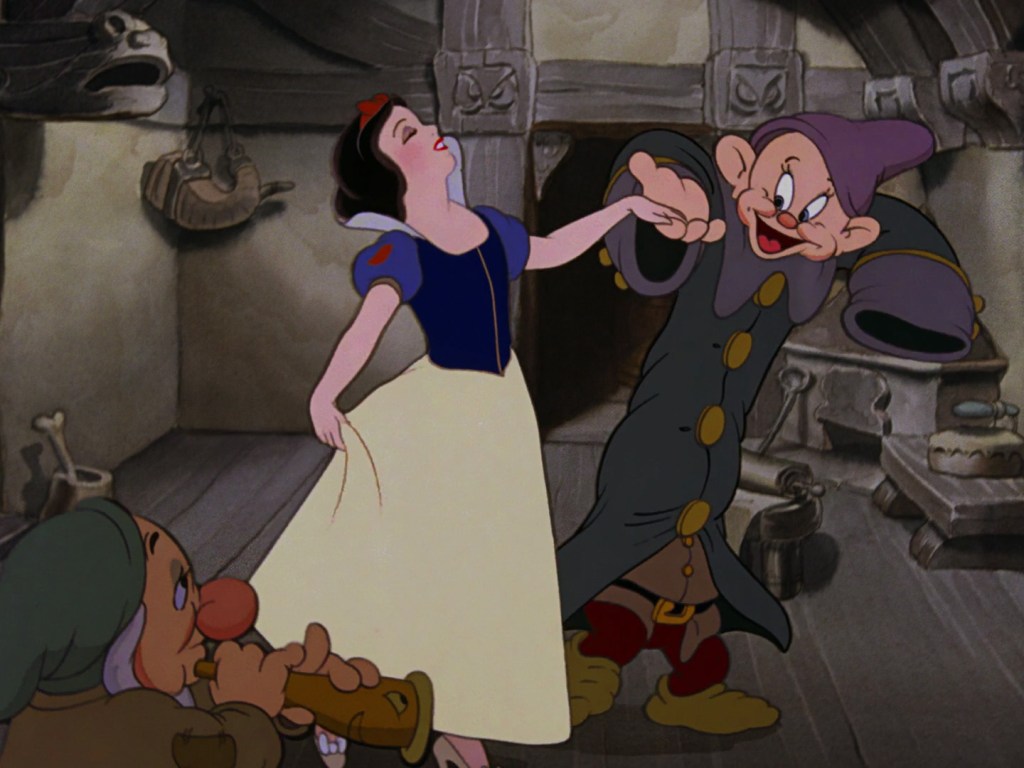
The one that started it all, and it still holds up many years later due to its simplicity. The simplicity of the characters and the storytelling work well together, as it creates the emotional experience that would be prevalent in future Disney classics. Snow White may be simple in personality, but her happiness and optimism are done so well. The dwarfs are also simple, but they all work together to create comedic moments and establish themselves as unique characters. Another hallmark of early Disney films, this one succeeds in having its fair share of dark moments, ranging from Snow White’s escape into the forest to the Evil Queen’s transformation sequence. Even with some quirks from the multiplane camera, the animation is just as timeless as the rest of the film along with some relatively realistic character designs for the time.
- The Adventures of Ichabod and Mr. Toad (1949) = 9/10
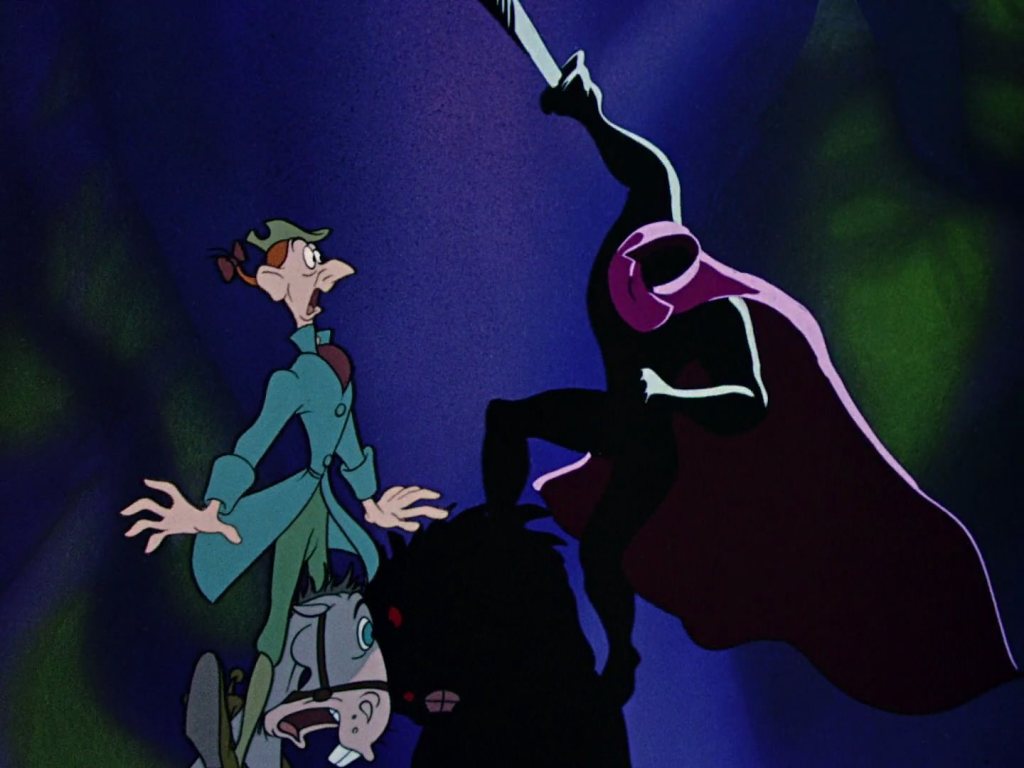
Despite this film being a combination of two literary adaptations, this film is top-tier Disney storytelling. The adaptations are done in a simple but effective ways, with “The Wind in the Willows” following the usual Disney formula with a madcap protagonist and “The Legend of Sleepy Hollow” having a cynical edge that is combined with narration from Bing Crosby. The musical numbers may not be as prominent as other animated Disney classics, but they’re all great in their own right, while the Headless Horseman song is a Halloween staple. A prominent element in this film is the slapstick humor (though it’s more of a staple during “Sleepy Hollow”), which makes it more akin to the typical Disney short. The Headless Horseman’s chase scene is undoubtedly one of the scariest moments in an animated Disney film.
- Fun and Fancy Free (1947) = 9/10

As a more laidback Disney film, this film’s simple storytelling creates a sense of euphoria despite some of the more intense scenes. Though “Mickey and the Beanstalk” is a stronger segment than “Bongo”, both stories are entertaining with some brief but underrated musical numbers. “Bongo” works well as a character-driven story about finding true love while “Mickey and the Beanstalk” is an amazing adaptation with great character moments and comedy. Enhancing the experience is Jiminy Cricket’s segments that serve as the cohesive glue that combines the two segments. One element of the “Mickey and the Beanstalk” segment that may detract certain viewers is the potential creepiness of Edgar Bergen’s puppets, though there are other versions of the segment that exclude the puppets.
- The Emperor’s New Groove (2000) = 9/10
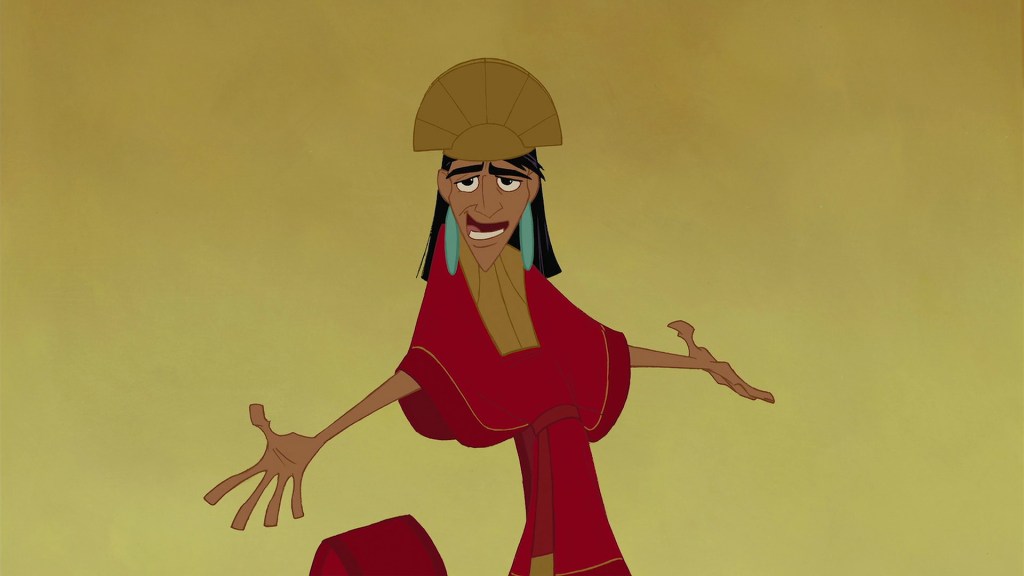
As a different type of animated Disney film, this film emphasizes comedy like no other in an experience that is filled with fun and heart. Kuzco is one of the most arrogant Disney protagonists, but his vanity and fourth-wall breaks make him compelling humorously. Yzma is one of the funniest Disney villains as she’s paired wonderfully with her equally-memorable henchman, Kronk. While the characters and story may be more simple than its Disney Renaissance predecessors of the previous decade, the heavy use of slapstick comedy along with creativity in its execution of the road trip story template makes it have the same amount of emotional impact as those films. Despite initially being developed as a large-scale musical, this scaled-back approach is a very welcome change of pace from Disney.
- The Sword in the Stone (1963) = 9/10
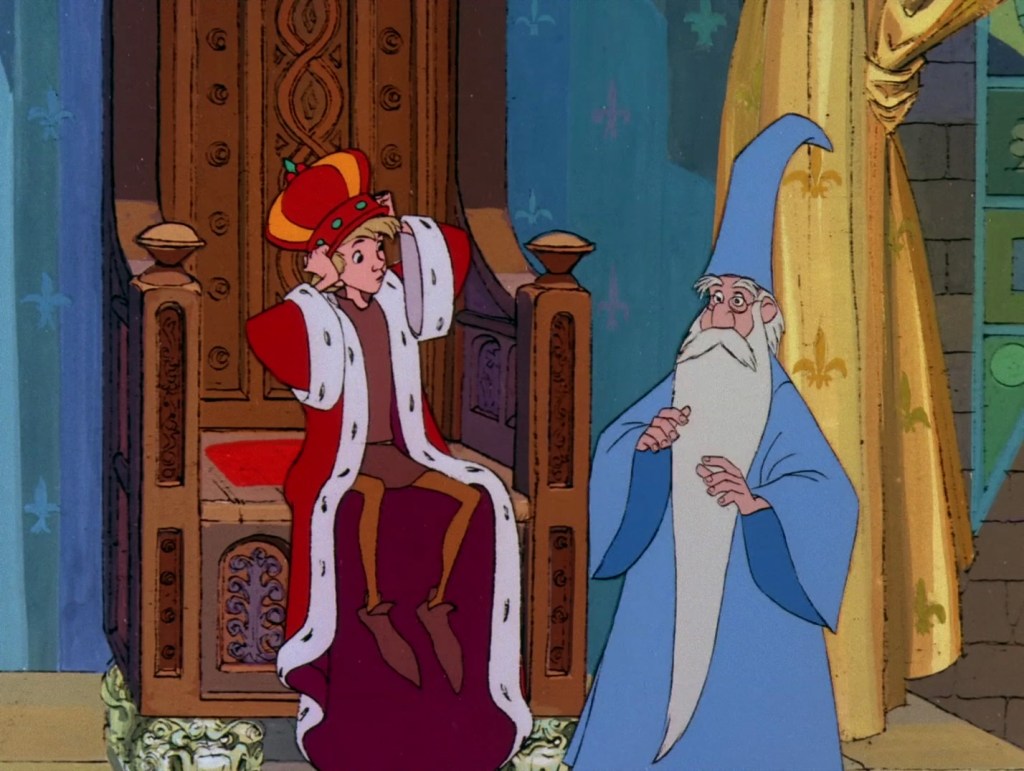
The rise of King Arthur might seem like something with dramatic potential, but Disney’s adaptation manages to pull it off well with its laidback pacing and slapstick humor. Arthur is a likable protagonist who learns about ruling through his pursuit of knowledge, though he’s overshadowed by the much more compelling duo of Merlin and Archimedes. Both Merlin and Archimedes supply much of the comedy and memorable dialogue, with plenty of references to “future” technology that feels timeless. While this film started the episodic storytelling structure for Disney, it pulls it off well due to the heavier emphasis on the characters and its more educational tone from Merlin’s lessons. One notable quirk is the vocal inconsistency from Arthur’s voice actor due to his recordings occurring while he was going through puberty.
- Ralph Breaks the Internet (2018) = 9/10
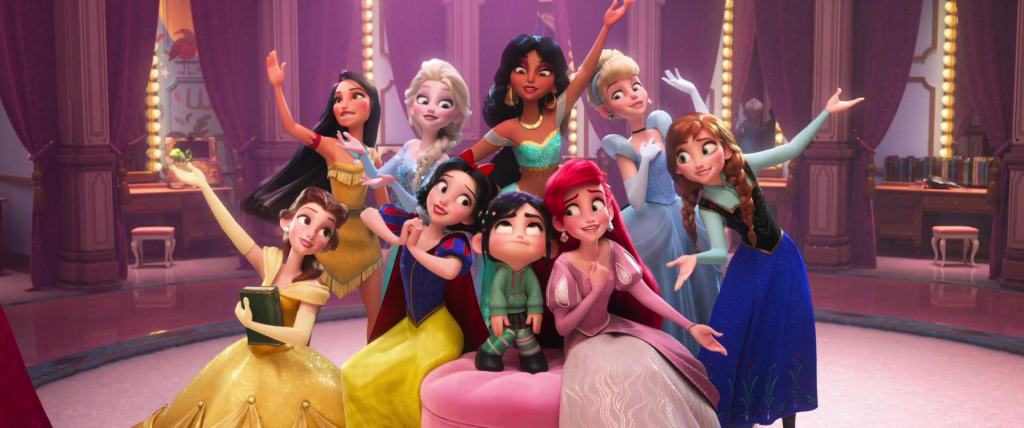
A hilarious sequel that manages to slightly surpass its predecessor while promoting a message that hasn’t been tackled often by Disney. Ralph and Vanellope continue to have a great dynamic, with their friendship being at risk due to the toxic nature of Ralph’s clinginess. While established characters from the first film such as Fix-It Felix Jr. and Calhoun are pushed to the side in this film, new characters such as Shank and Yesss are just as memorable. There’s plenty of comedic moments such as the iconic Disney Princess scene and the mid-credits scene with the pancake-milkshake game, though certain jokes and references may become dated at some point. Even with the heavy amount of real-world brands in the internet world, it works well to create the diverse landscape of the web while also having plenty of focus on the original worlds.
- Encanto (2021) = 9/10
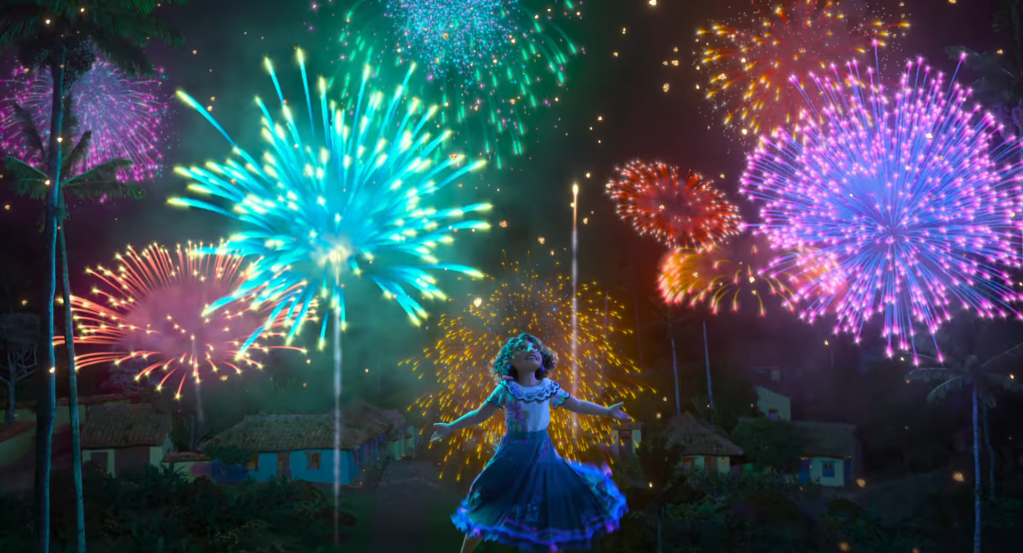
Colombian culture shines through in a tale that is as closely knit as the Madrigal family. The various members of the Madrigal family are memorable in their own right, with the main protagonist being quirky but self-reliant. The complexity of the film is simplified, with themes about being unique without confining to one trait. The emotional appeal comes from engaging dialogue among the family and the value of each member’s gifts. In a step forward for representation, there’s plenty of variety in character designs and details of Colombian culture. Lin-Manuel Miranda’s second outing for Disney Animation is filled with memorable tunes. Despite the film taking place in one location, the “casita” is filled with creative and distinct visuals that reflect the magic of the Madrigals.
- Melody Time (1948) = 9/10

A superior spiritual successor to Fantasia, this film is musically engaging with variety in the stories and storytelling. Unlike Make Mine Music, the bridging segments are much more cohesive, with a “master of ceremonies” and the use of a paint brush to make the experience more engaging. All of the segments are good on their own merits (especially in the visuals), though some stand out more than others due to their visual choices and length. Some of the more notable segments include the longer-length adaptations of “Johnny Appleseed” and “Pecos Bill” and the visual flair of “Blame it on the Samba”. While all of the segments incorporate music in one form or another, some use music all throughout while others have musical numbers during certain points and contribute to the unique storytelling in each segment.
- Lady and the Tramp (1955) = 9/10
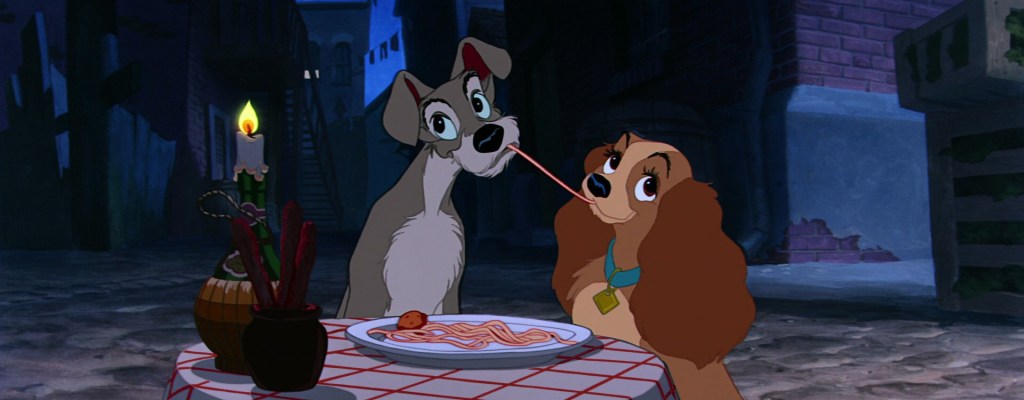
Disney has been a master at telling stories involving romance, but this one is the best in conveying a love story. Lady and Tramp are two opposites that manage to work well together, with plenty of development in their relationship throughout the film. Even though most of the secondary and side characters appear for one scene, all of them can shine during their brief appearances. The use of CinemaScope creates a large-scale environment that has plenty of depth and captures the ambiance of early 1900s Americana. Like Peter Pan, this film is weighed down by racist stereotypes, though it’s briefer this time around. In terms of storytelling, this film finds a balance between its fictional world-building and pacing reminiscent of real life, creating a grounded world with talking dogs facing real-world conflicts.
- Dumbo (1941) = 9/10
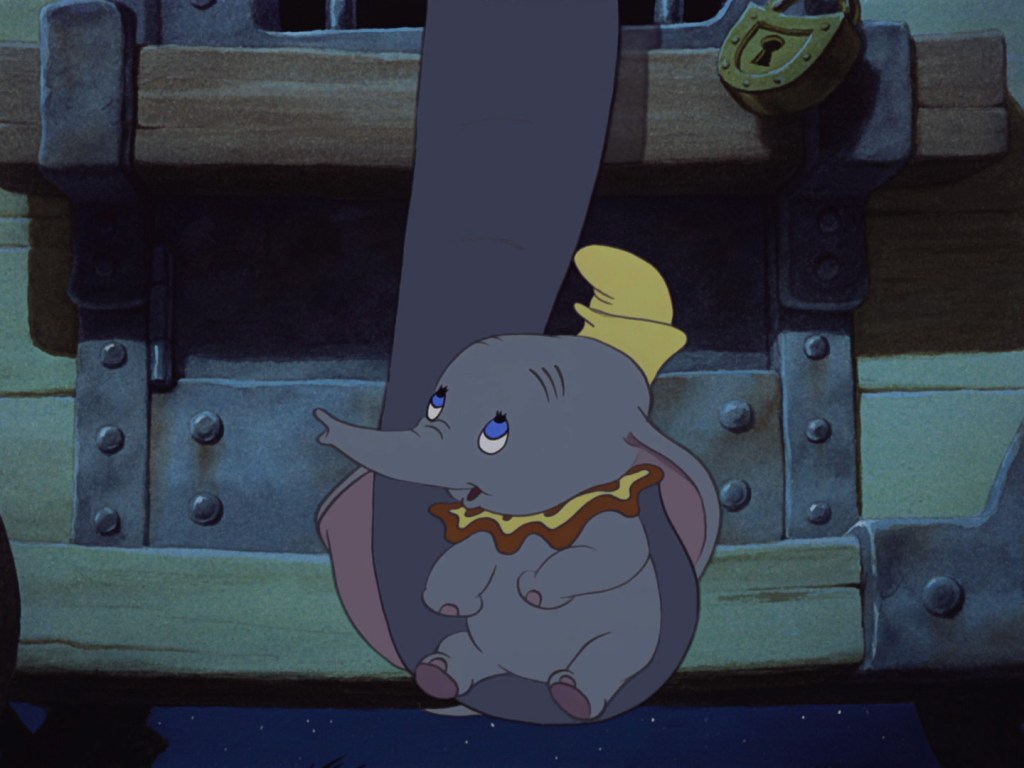
Despite being one of the shortest films in the canon, the runtime does its best to create an emotional story. Even with no dialogue, the titular character is cute and emotionally appealing as he learns to use his oversized ears to his advantage. While the visuals may not be as ambitious as its predecessors, there’s still plenty of effort in emulating the circus ambiance along with the eccentric visuals of the “Pink Elephants” scene. The shorter runtime allows this film to tell a more cohesive story that has plenty of room for intimate character moments. Like some early Disney classics, there are instances of racist stereotypes, though the racism from the crows isn’t as bad as the “Song of the Roustabouts” number. Asides from “Roustabouts”, the rest of the songs are relatively short but they manage to have plenty of charm.
- The Little Mermaid (1989) = 9/10

Disney’s major return to fairy tales, along with starting the Disney Renaissance on a high note. As the first Disney film to truly embrace the Broadway story structure, the songs have a lot more weight and their high quality makes them all the more iconic. Ariel is a compelling Disney Princess, as she serves as the middle ground between the classic and modern Disney Princesses. While her goal of becoming a human is done through her relationship with Prince Eric, she’s more active in accomplishing that goal in comparison to past Disney princesses. The storytelling manages to give a modern spin that doesn’t detract from its simplistic and timeless roots. Another return to form is the amount of effort in the visuals, as Atlantica is depicted with plenty of detail and the ocean is filled with plenty of colors and beautiful landscapes.
- Home on the Range (2004) = 10/10
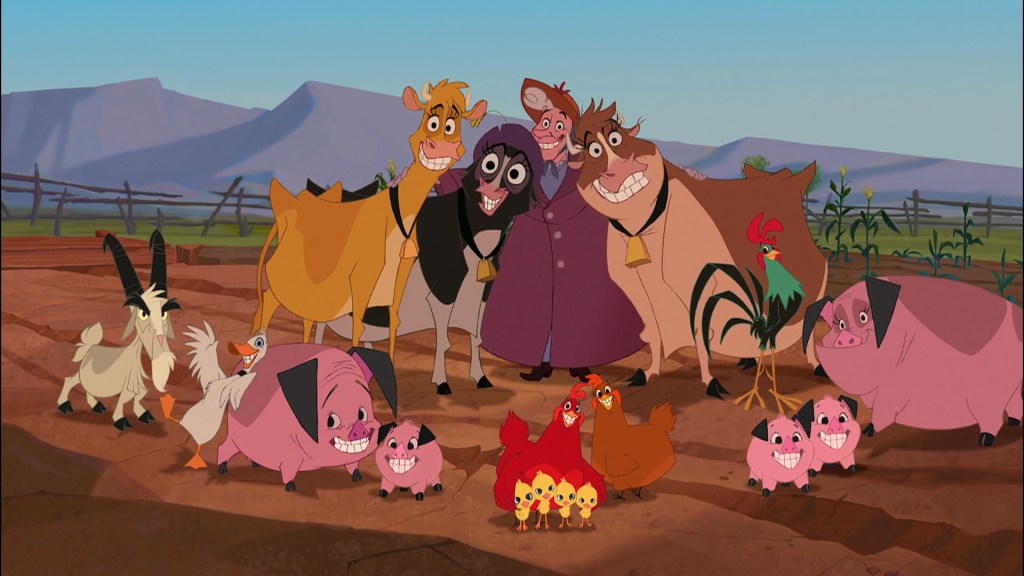
Unpopular opinion: this film is genuinely great and has plenty of heart, even if it doesn’t seem like that on the surface. While it may start off with an excess of modern references, it eventually becomes focused and surprisingly manages to combine the comedic slapstick of The Emperor’s New Groove with the epic stakes, emotional weight, and musical structure of the Disney Renaissance films. The trio of leading cows may not be the best Disney protagonists, but they’re still compelling and have plenty of chemistry, while the villain is plenty of fun due to his silliness. Despite a different visual style, this film effectively showcases the western ambiance in uplifting and harsh scenarios. Out of all of Alan Menken’s work for Disney, his songs from this film are underrated and feel on-par with his work in the previous decade.
- Robin Hood (1973) = 10/10

Even with an episodic plot structure and notable instances of recycled animation, this film is an engaging adventure with a compelling cast of characters. Robin Hood himself is a loveable swashbuckler that shows compassion and is juxtaposed to the comedic and selfish Prince John. Meanwhile, the rest of the cast is memorable as their character-driven scenes can generate emotional appeal. Enhancing the slower and action-packed scenes is the emphasis on comedic slapstick and dramatic action. The songs work well on their own and elevate the mood of certain scenes, even with different songwriters handling different songs. While the visuals aren’t the most ambitious, they’re still visually appealing as the film contains character designs that would eventually serve as the inspiration for future animated Disney characters.
- Fantasia 2000 (2000) = 10/10
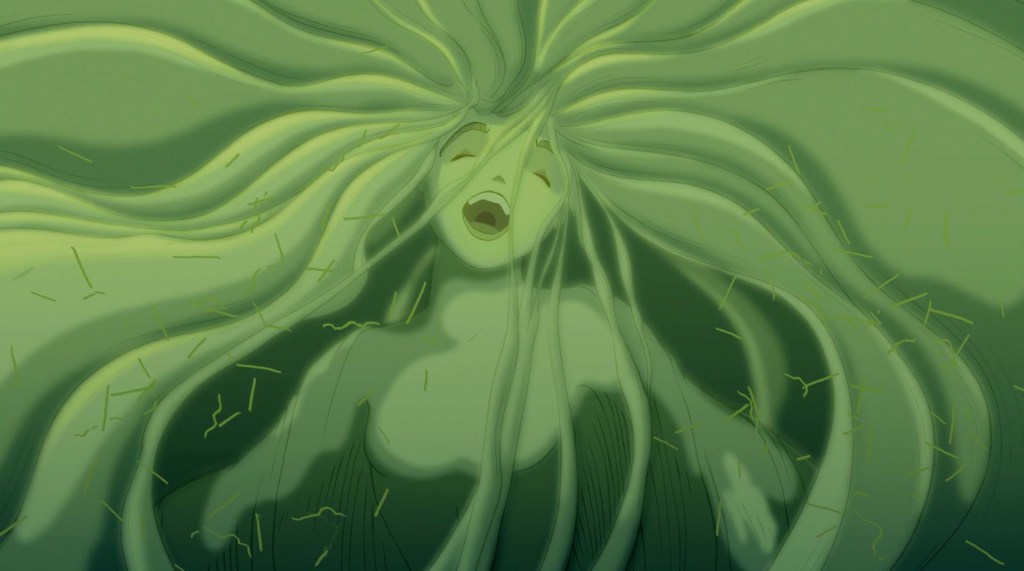
Theatrical animated sequels from Disney (excluding the ones from Pixar) are a rarity, and there’s plenty of love and effort in comparison to their direct-to-video counterparts. While none of the new segments surpass the quality of the original segments, they’re all on par with their predecessors. The return of “The Sorcerer’s Apprentice” is a nice tribute to Walt Disney’s initial plans for Fantasia sequels. One notable improvement is the diversity in art styles between segments, ranging from realism to exaggeration. Even if the use of certain celebrity hosts may hamper the sophisticated nature of the film, they’re all good in their own right and don’t detract from the quality of the segments. The use of more recognizable pieces of music and a shorter run time makes it an ideal choice for those who don’t like the original.
- Frozen II (2019) = 10/10
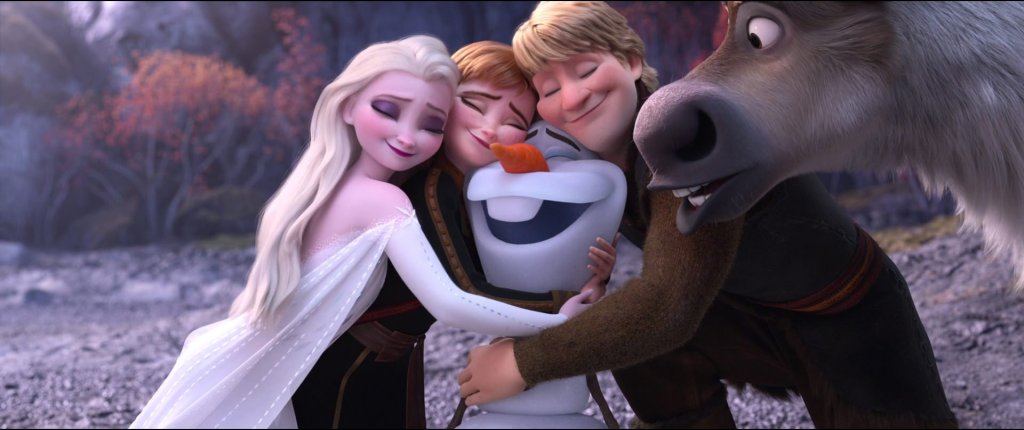
The animated Disney sequel to top all Disney sequels (in terms of Disney animation canon sequels), even if the second half is the only part that surpasses the original. Anna and Elsa continue to evolve their sisterly bond as their leadership skills are put to the test. While the second half raises the stakes and maturity of the franchise, the first half feels the need to appeal to younger viewers with Olaf’s jokes and the more laidback pacing. However, that second half provides some of the most emotional moments for an animated Disney film. The world-building and visuals continue to evolve, as Elsa discovers how she got her powers and her larger connection to the Enchanted Forest. Even though the songs aren’t as iconic as their predecessors, they’re still memorable earworms, especially “Into the Unknown” and “Show Yourself”.
- Frozen (2013) = 10/10
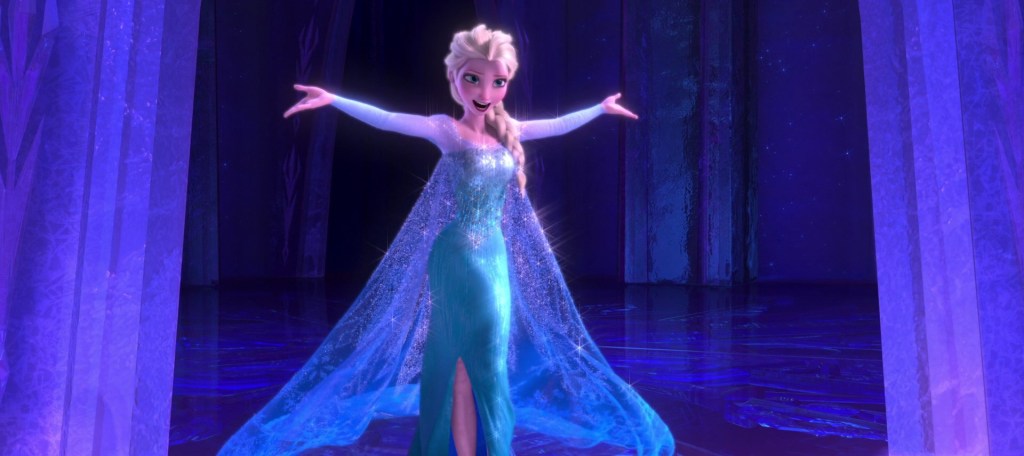
An instant Disney classic, this film is the best animated Disney film since the Disney Renaissance and has managed to create a massive impact. While Anna and Elsa may be royalty, they have fleshed-out personalities that make them very relatable. Their sisterly bond works well to showcase the struggles of introverts and extroverts. Olaf is one of the most unique comic reliefs in a Disney film, along with a twist villain that works in conveying the film’s progressive message. The amount of meta-commentary on past Disney fairy tales is impressive and officially started Disney’s evolution in becoming more meta and progressive. It’s no secret that all the songs are iconic, with “Let It Go” being one of the best Disney songs. The winter environments are breathtaking, with plenty of attention to detail in the backgrounds and characters.
- The Hunchback of Notre Dame (1996) = 10/10
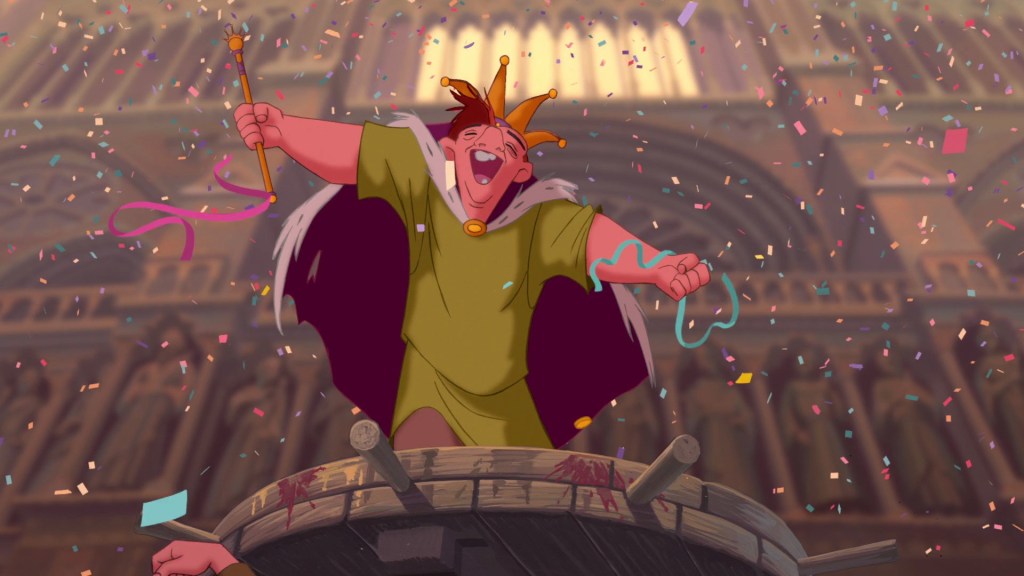
The best film from the Disney Renaissance, this film is an underrated masterpiece with a more mature tone that makes it unique. Notre Dame is a visual treat, with Paris being depicted with plenty of details on a large scale. Quasimodo is a loveable protagonist with emotional appeal, while Frollo is the best Disney villain and one of the most ruthless due to his approach to delivering “justice”. This film has the best soundtrack for a Disney film, with the songs being epic and Alan Menken going above and beyond in the music. The only major flaw is the tone inconsistency, with the focus on darker subject matter clashing with the lighthearted humor from the gargoyles. However, it’s more of a nitpick due to how well the film handles the darker elements such as lust, prejudice, and sin, along with everything else working so well.
- The Three Caballeros (1944) = 10/10
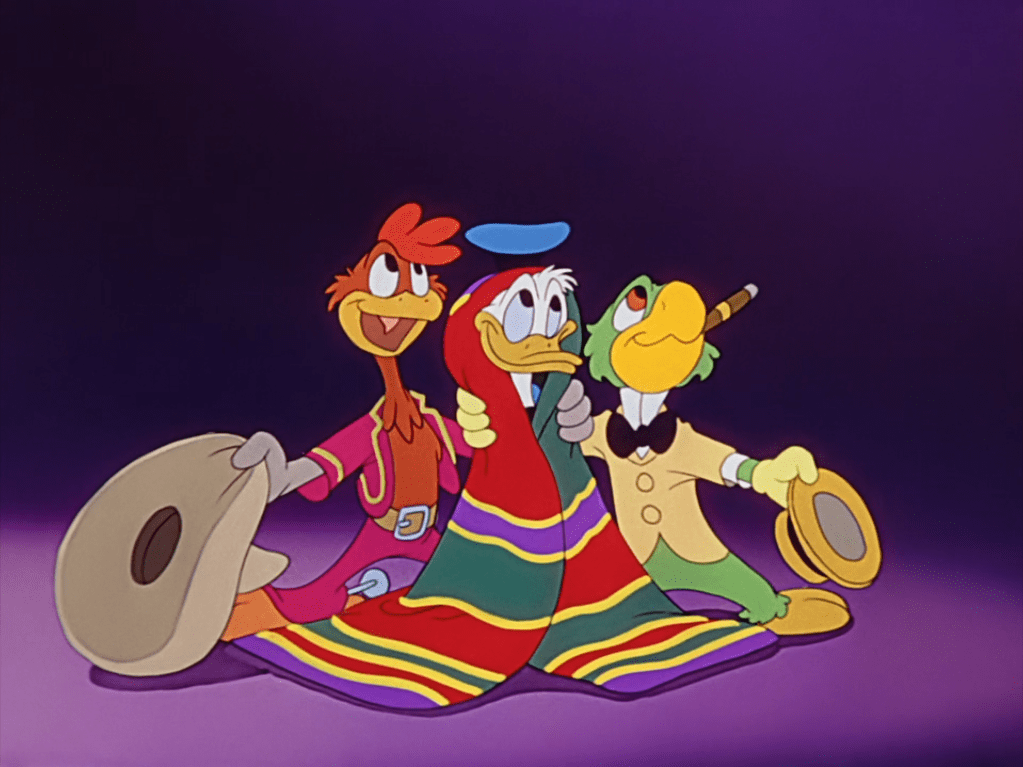
A love letter to Latin America and a packaged masterpiece full of surprises. Unlike the other films of its era, this film is the most cohesive, with only the first act having a segmented vibe. Donald’s journey is the most unique plot structure for a Disney film, as the film manages to combine elements of Disney storytelling, Latin American culture, and energetic fun in a way where it feels cohesive. The titular characters work well off each other and elevate the film, even if their personalities may be relatively simple and their encounters with women could potentially be perceived negatively. The animation and visuals are among the most creative in the Disney canon, with a large variety of colors that are used to effectively showcase the various fast-paced and slow moments and highlight the beauty of Latin American culture.
- The Many Adventures of Winnie the Pooh (1977) = 10/10
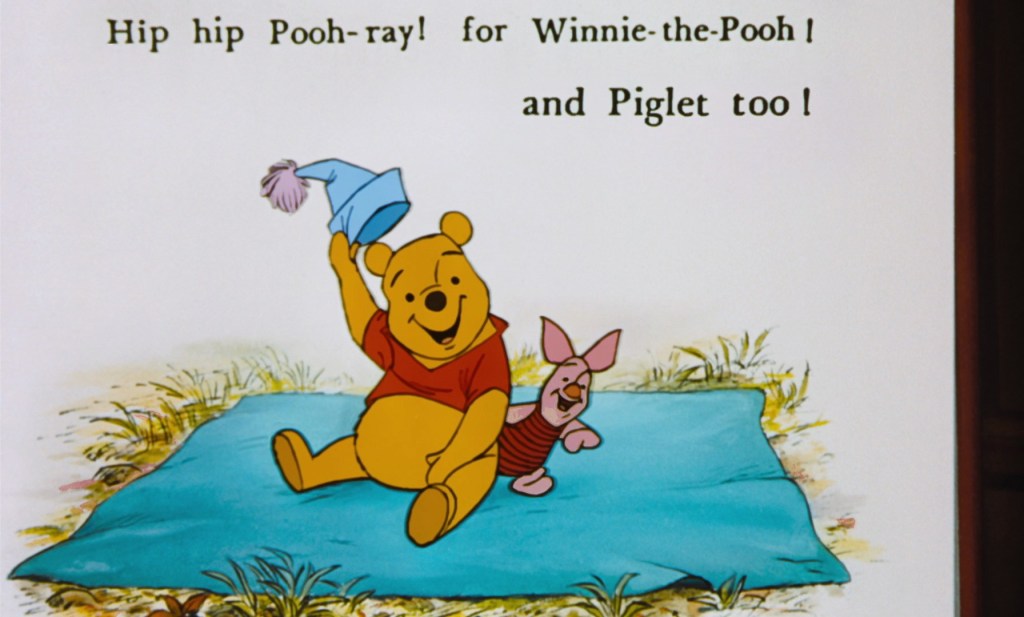
No other Disney film can capture the essence and simplicity of childhood quite like this film. As a character-driven film, it relies on the strengths of its characters to create interest and emotional impact. Fortunately, all the characters are extremely memorable, as their simplicity allows them to be relatable to the audience. The solid chemistry of Pooh and his friends elevate the simplistic storylines. Visually, this film has relatively simple character designs inspired by E.H. Shepard’s drawings. However, there’s plenty of details in the whimsical backgrounds. Even if this film is a compilation of three previously released Pooh shorts, the segments are united flawlessly with the newer bridging scenes. Its storybook structure lends itself well to emulate the structure of the Pooh books and has fun with various fourth-wall breaks.
- Fantasia (1940) = 10/10
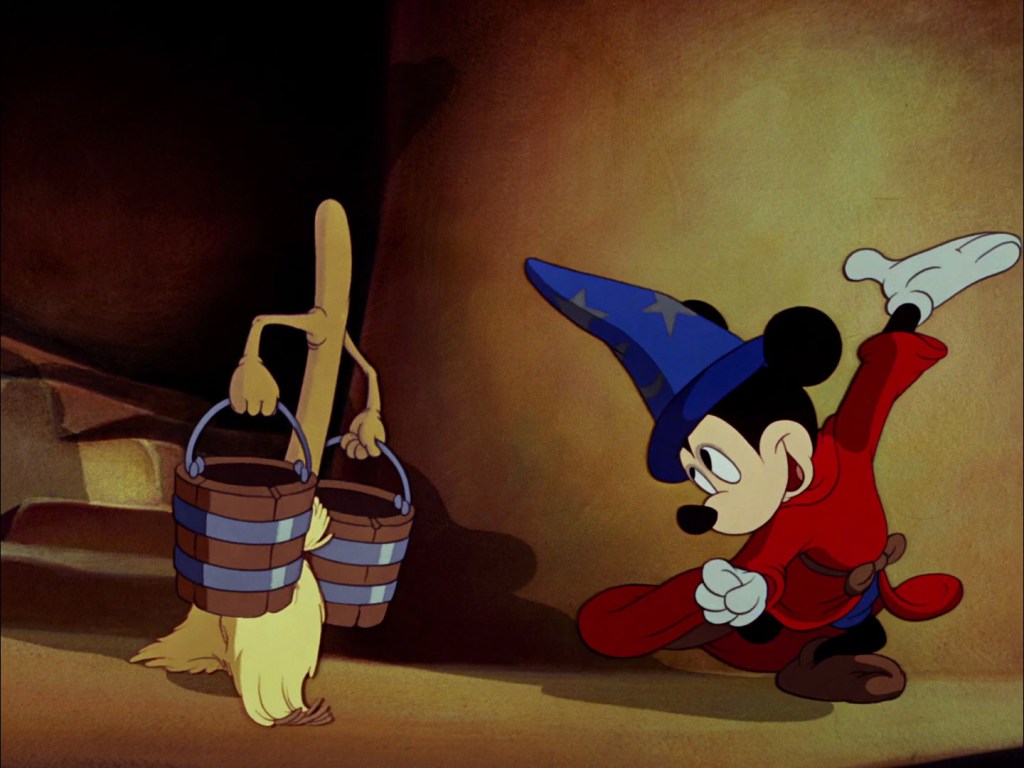
The greatest animated Disney film, and the best animated film to convey animation as an art form. While the concept of setting animation to music was nothing new at the time, this film goes above and beyond in creating an experience that set the standard for animation. The visuals are the highlight, with variety in characters, colors, and objects that makes it worthwhile and creates an unpreceded experience. All the segments are iconic along with the music being projected through the first instance of surround sound in film, Fantasound. Unfortunately, this film contained a racist stereotype in the form of Sunflower the black centaur, though her appearance has been omitted since 1969. Even with that setback, this film is nothing short of a technical and visual marvel, while being one of the most significant films in history.
 Kenneth's Myriad of Media Blog
2 thoughts on “Walt Disney Animation Studios: Worst to Best (Part 3)”