
LAST UPDATED: November 2021
CLICK HERE FOR PART 1 AND PART 3
A continuation of Part 1, here is my ranking of the films in the Disney Animation Canon. While many of these films are good, some are better than others. Like the previous part, there will be some major and minor unpopular opinions.
- Beauty and the Beast (1991) = 8/10

Even if my personal enjoyment of this film may not be as high as other Disney classics, this film has my respect for its significance in animation. My gripes with this film are more subjective than objective, but this film proves why the classic Disney formula has worked so well throughout so many years. One of the few animated Disney films that feels more geared towards adults, the storytelling is solid and combined with a memorable cast of characters (even if I personally don’t connect with them as much in comparison to other Disney fans). This film’s perfect execution of the Disney fairy tale formula makes it feel run-of-the-mill by Disney standards, even if the visuals and animation push the boundaries of the CAPS system. Despite my personal gripes, the songs are iconic and among Alan Menken’s and Howard Ashman’s best work.
- Tarzan (1999) = 8/10
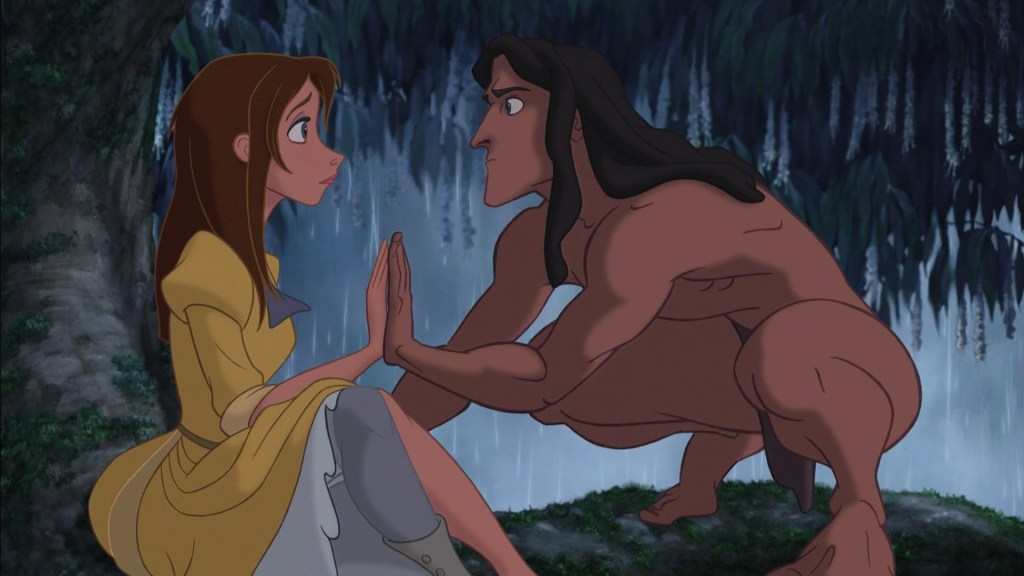
The last of the Disney Renaissance films, this film tries to break the mold but is only partially successful. Tarzan is a likable protagonist with a decent arc about learning to embrace himself among the gorillas, while Jane is a compelling character that balances her “damsel in distress” and “independent woman” sides. While this film tries to take a more mature approach to its themes of tolerance and family, it makes the film slightly boring. This film has the first notable Disney twist villain, and it’s one of the blandest, causing the third act to drag until the climax. The highlight is the animation, as the “Deep Canvas” technology allows for plenty of depth and rapid movements. Phil Collin’s songs are a nice departure from the usual Disney musical structure, but they slightly lack the same impact outside of “Strangers Like Me”.
- Moana (2016) = 8/10
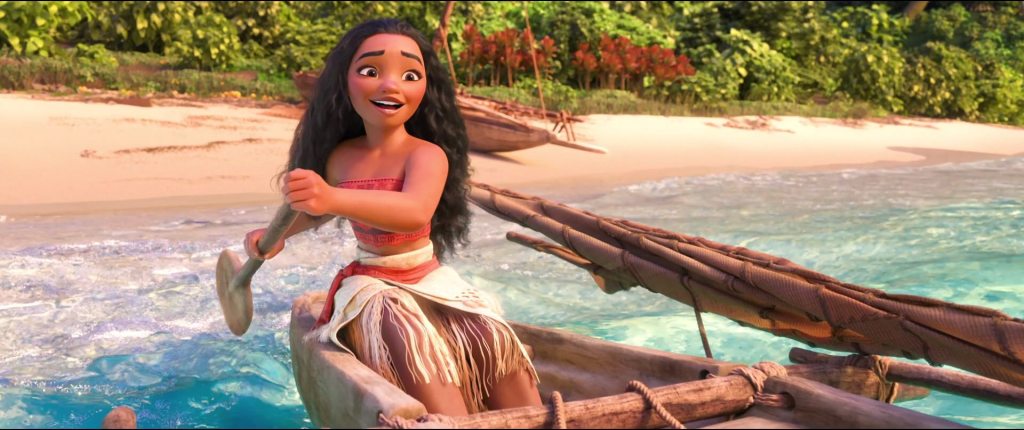
Disney is making progress in minority representation, even if this film’s plot lacks the same type of progress. The storytelling is simply regurgitating elements from Disney’s buddy road trip and princess films, with Moana’s character arc reflecting the typical “destined for more” dilemma faced by most of the Disney princesses. Despite the smaller cast of characters, Moana and Maui have great chemistry along with memorable vocal performances, while Tamatoa is a brief taste of classic Disney villainy. Even if most of the film feels familiar, the musical numbers are the unique highlight, with the soundtrack being among Disney’s best. Like many of its contemporaries, it takes advantage of computer animation for vivid and realistic backgrounds, combined with instances of 2D animation from Maui’s living tattoo.
- Aladdin (1992) = 8/10
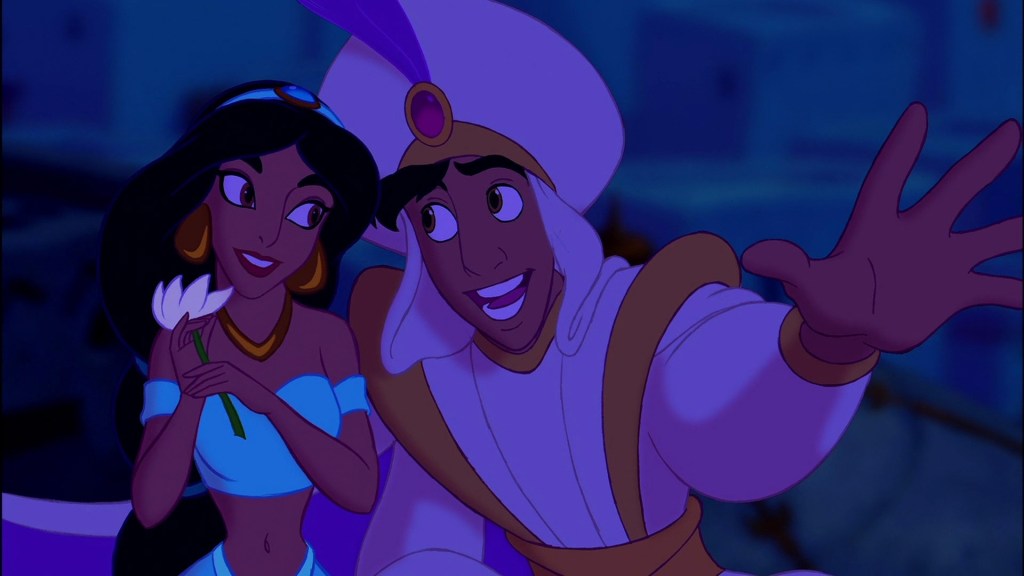
One of the larger successes of the Disney Renaissance, initially taking steps forward while also taking the same amount of steps back in retrospect. The plot of the film was worn out by the time of its initial release, and it’s only salvaged by the likeability of Aladdin and Jasmine. Easily the best part of the film is Robin Williams as the Genie, as he made an impact on Disney and the rest of the animation industry by creating appeal towards celebrity voice-over roles. There’s a double-edge sword in the film’s portrayal of Middle Eastern culture. While there’s admiration for having Middle Eastern protagonists, they’re whitewashed and juxtaposed to the rest of the human cast being portrayed as Middle Eastern stereotypes. The comedy is distinct from the usual Disney fare in the best ways, with clever pop culture references.
- Saludos Amigos (1942) = 8/10
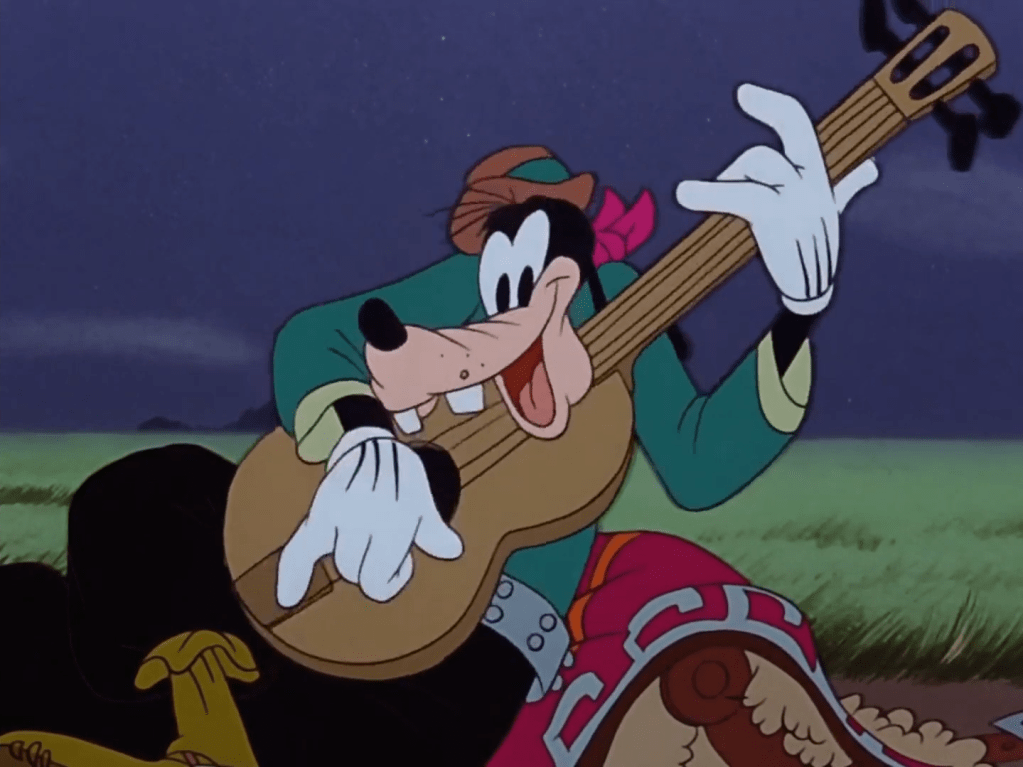
While it may be the shortest feature-length Disney film (at 42 minutes long), there’s still plenty of culture and entertainment value in its brief runtime. The travelogue structure is unique and hides the last-minute combination of the individual segments. “Lake Titicaca” is brief travelogue fun, “Pedro” is a simple story, “El Gaucho Goofy” is a clever South American spin on Goofy’s “how-to” cartoons, and “Aquarela do Brasil” is an amazing predecessor to the visual magic seen in The Three Caballeros. While the segments outside of the latter only sport the usual Disney cartoon animation, there’s still plenty of love in the visuals and portraying South American culture in a relatively progressive manner for the time. Along with The Three Caballeros, it holds significance in US-Latin American relations of the 1940s.
- Alice in Wonderland (1951) = 8/10
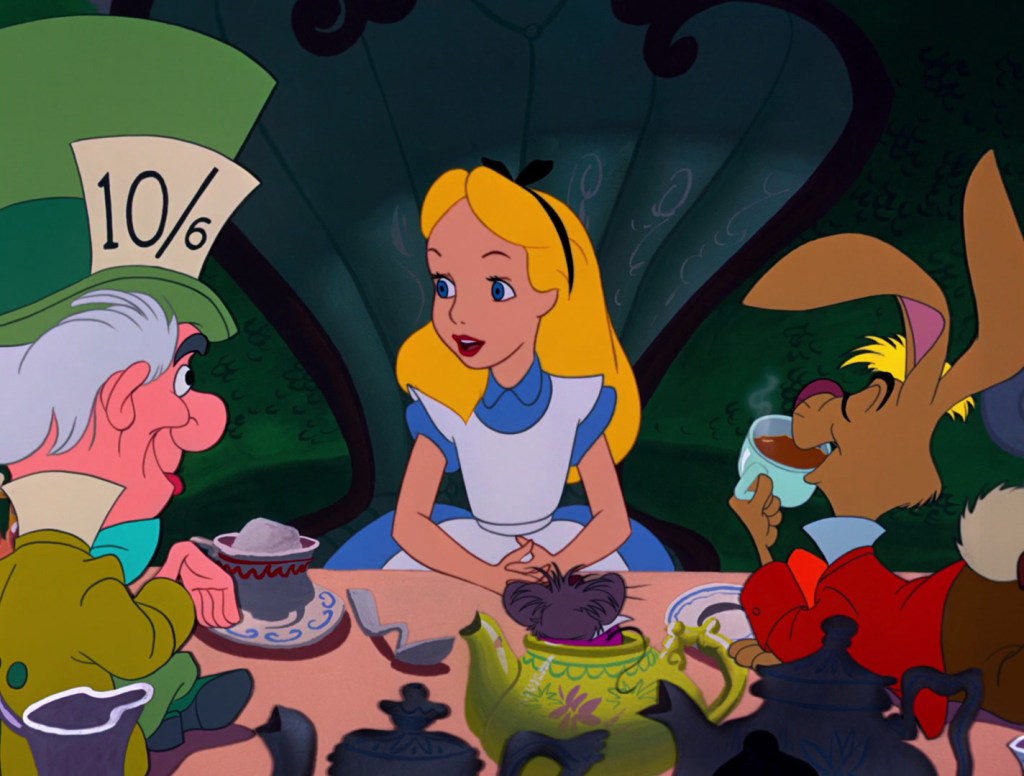
One of Disney’s most visually distinct films, this film offers a unique experience only rivaled by the likes of Fantasia and The Three Caballeros. One of the more unique elements of the film is the storytelling being in the form of a character-driven road trip. Alice works well as a blank slate, even if she’s not the most engaging Disney protagonist. Meanwhile, the residents of Wonderland have varying degrees of memorability, with the standout characters being the most unique such as the Mad Hatter and the Queen of Hearts. Having the most amount of songs in an animated Disney film, some of the songs are timeless classics while others get lost in the shuffle due to their short length. The visuals take advantage of the source material, while also using plenty of distinct colors to juxtapose the black sky background.
- Big Hero 6 (2014) = 8/10
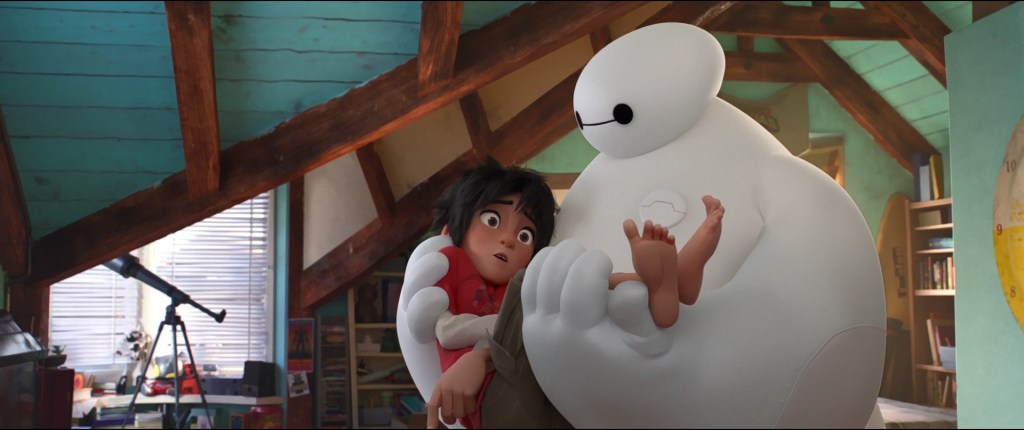
A superhero adaptation with plenty of emotional weight but lagging in superhero storytelling. The greatest strength of the film is the dynamic between Hiro, Tadashi, and Baymax. Hiro and Tadashi have great chemistry and that leads to a strong connection between Hiro and Baymax, with Baymax himself being a loveable character. Asides from Hiro and Baymax, the rest of the Big Hero 6 team isn’t that memorable outside of their designs and powers, along with a twist villain that could have been executed better. When the film feels the need to be a superhero flick, it follows the usual hero vs. villain dynamic and does not bring much that is new, and it’s particularly noticeable during the second half of the film. However, when the film focuses on Hiro and the theme of dealing with grief, the film is emotionally engaging.
- The Princess and the Frog (2009) = 8/10
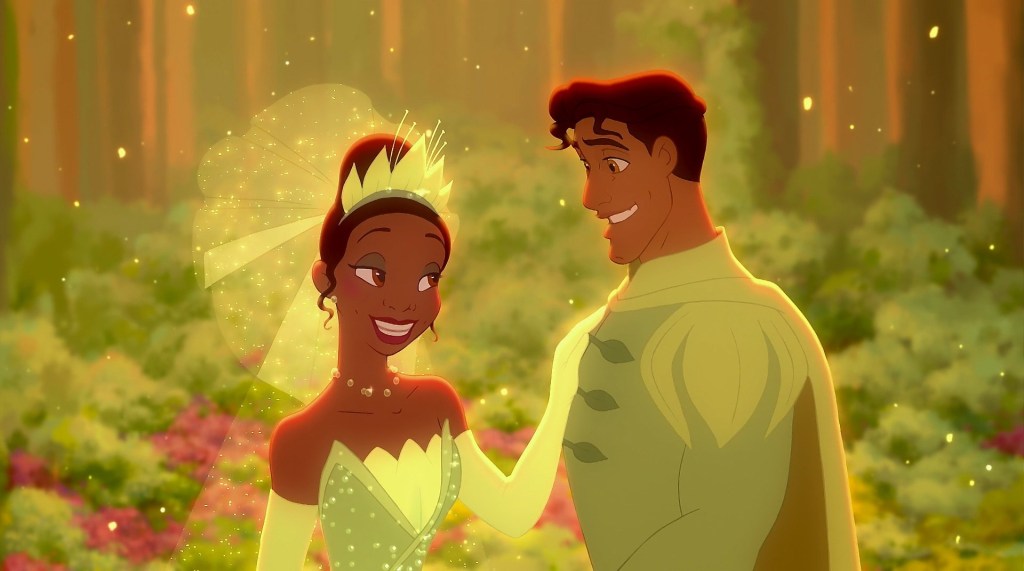
The Disney fairy tale magic that was missing since the Renaissance era makes a triumphant return, even if the magic isn’t quite solid. Tiana is one of the more grounded Disney protagonists, and she’s all the more interesting because of that. On the other side of the spectrum, Dr. Facilier is a charming villain despite his motives not being directly correlated to Tiana’s arc. The major issue with the film is the unnecessary complexity from the different plot lines and character arcs, as it does hamper the storytelling from achieving its true potential. However, Tiana and Naveen’s arcs do complement each other well and allow the couple to develop their relationship. Randy Newman does a fantastic job at making the music and songs reflective of New Orleans culture, with the songs themselves being very memorable.
- 101 Dalmatians (1961) = 8/10
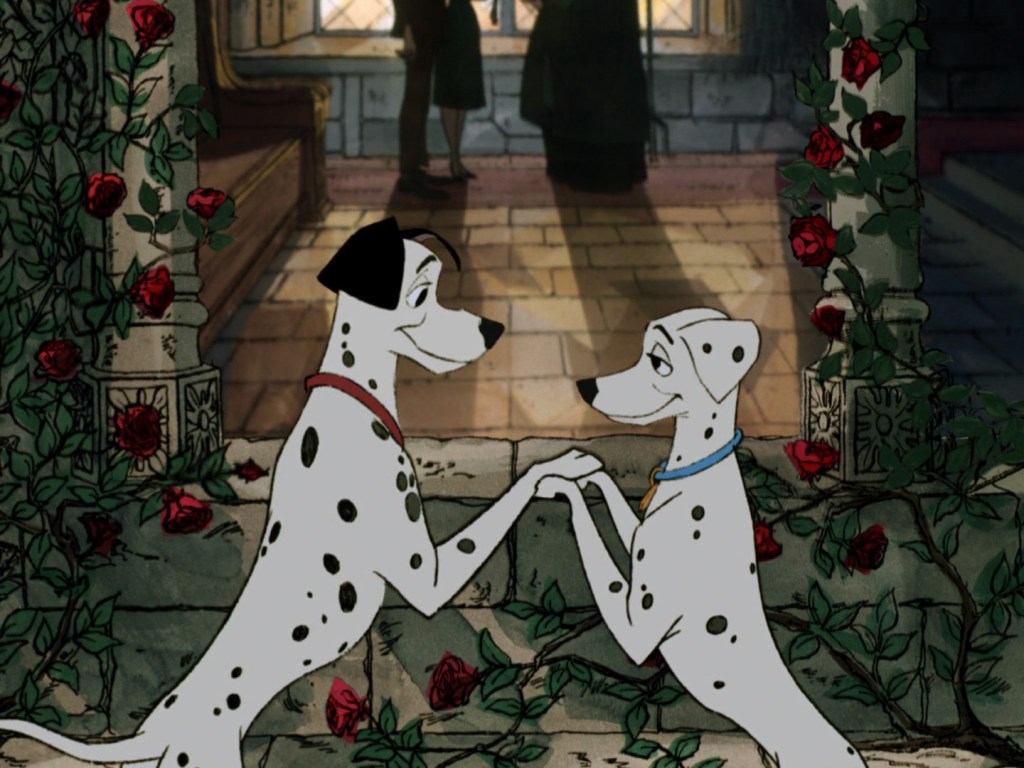
Leave it to Disney to make a talking dog movie with a lot of substance and effort (as they did previously with Lady and the Tramp), as this film is significant in animation history for its use of xerography technology. While the character designs may be rough around the edges, they’re still visually appealing as those designs are accompanied by engaging personalities. Pongo and Perdita are a great couple, showcasing plenty of love for their biological and adopted puppies. Cruella De Vil is one of the most memorable Disney villains, with a standout personality that makes her crazy shenanigans all the more enjoyable. The storytelling is an interesting blend of elements from road trip and rescue mission stories. Despite not being a traditional Disney musical, the “Cruella De Vil” song is one of the best Disney villain songs.
- Mulan (1998) = 8/10
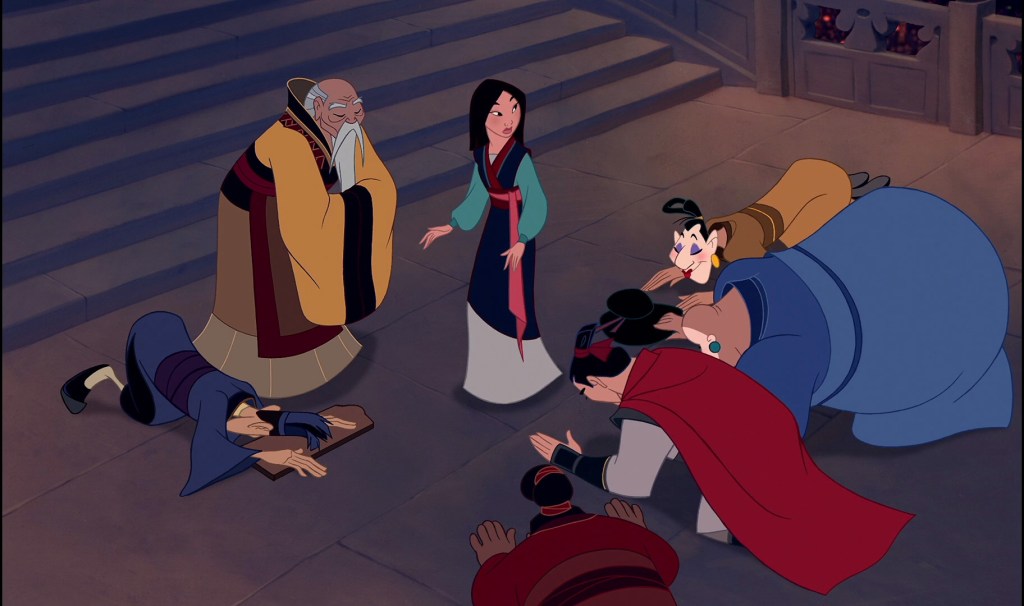
While Disney was somewhat late to the party in breaking gender boundaries, it’s refreshing to see them tackle this type of story while adhering to the Disney formula. The storytelling is relatively simple, but the characters help in creating an engaging experience. Mulan is an action-packed heroine who has a compelling arc that gets the message across perfectly and is accompanied by great comic relief such as Mushu and Yao, Ling, and Chien Po. Shan Yu, however, is one of the most forgettable Disney villains outside of his design. While this film isn’t entirely faithful to Chinese culture, there’s still plenty of love in portraying that culture in the visuals along with getting many Asian voice actors. The song count may be less than the typical Disney musical, but they all stand out, especially the earworm “I’ll Make a Man Out of You”.
- Pocahontas (1995) = 8/10

With this film, the Disney Renaissance saw a turning point in attempting to tackle ideas outside of Disney’s comfort zone, and doing a hit-or-miss job in achieving that goal. It’s admirable that this film touches upon racism, even if it’s over-simplified and historically inaccurate to the real-life relationship between natives and colonizers. Pocahontas is a great head-strong protagonist who greatly differs from her real-life counterpart, while also having a solid romantic connection with John Smith. Like Alan Menken’s other works, the songs are instant classics, with “Savages” pushing the edge of Disney-level maturity. The visuals are also beautifully unique with the variety in colors. While it’s unsettling for Disney to “polish” American history, it isn’t any different from Disney de-intensifying the source material of classic fairy tales.
- The Rescuers Down Under (1990) = 8/10
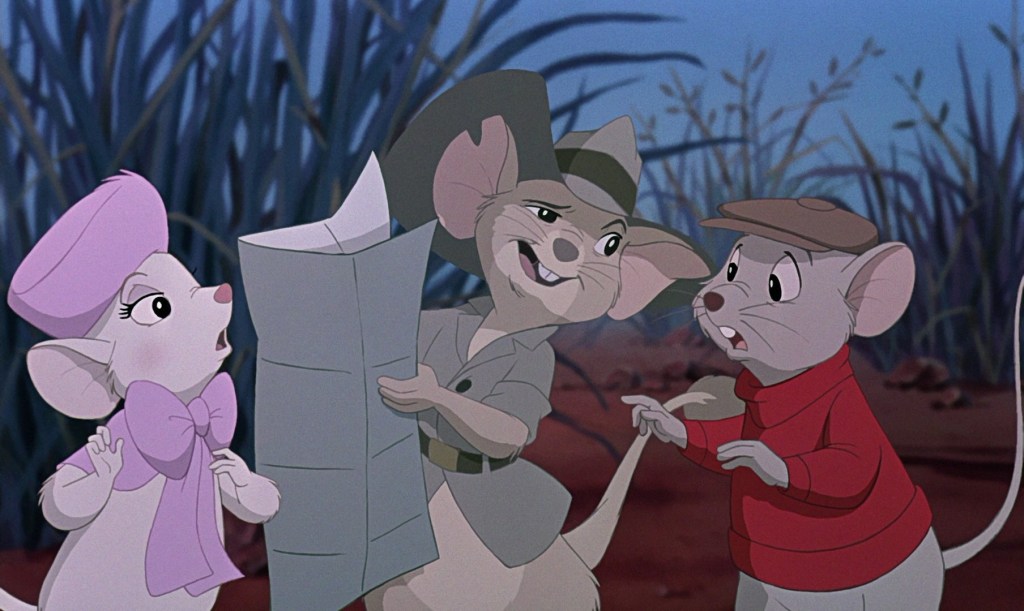
An adventurous sequel with the number of stakes and intensity that should have been in the first film. Bernard and Bianca continue to have great chemistry and work much better in this film while managing to work in a proposal sub-plot better than Frozen II. The new characters such as Jake, Percival McLeach, and Wilbur are all memorable, and bring in much-needed comedy (or intensity for the more villainous characters). The story is just about as simple as the original, but with higher stakes for more emotional engagement. As the first film to fully use the CAPS system, the visuals are impressive in scope, with some of Marahute’s flying scenes still being visual marvels to this day. While the film doesn’t stand out (asides from the animation) in comparison to other Disney Renaissance films, it’s still entertaining.
- Oliver & Company (1988) = 8/10
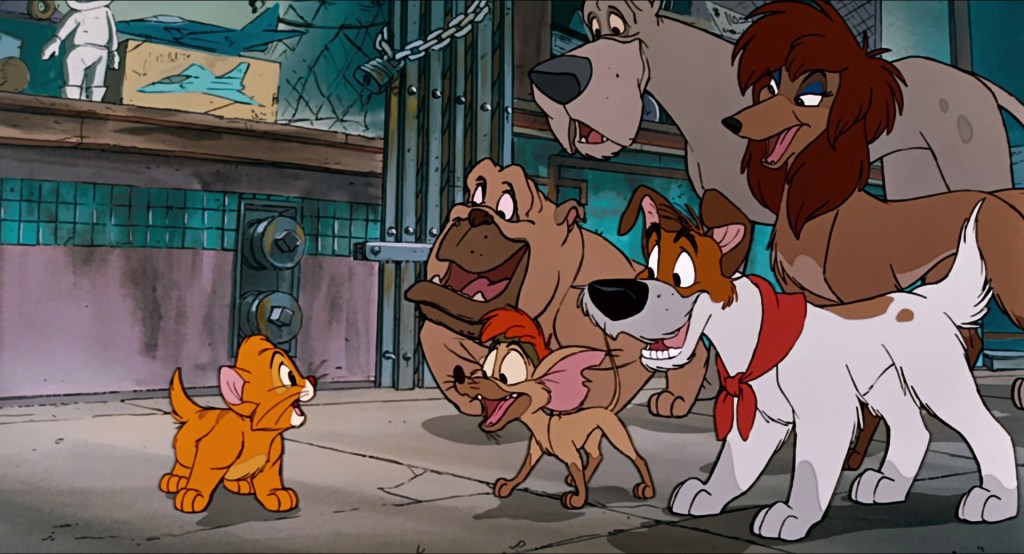
While it may be a film that feels aesthetically stuck in the 1980s, it’s still an enjoyable watch years later despite the gradual dip in popularity. This uniquely loose adaptation of Oliver Twist feels distinct from its source material and takes a lot more liberties in comparison to other Disney adaptations. The film’s highlight is the energetic and memorable cast of characters (brought to life by celebrities such as Billy Joel, Bette Midler, and Cheech Marin) and their memorable lines of dialogue. In addition, the visuals manage to succeed in emulating the visual style of New York City. While the storytelling may be relatively simple, the climax matches the dark ambiance of other great Disney climaxes. The five songs in the film are underrated games in their own right, even if the opening musical number is audibly dated.
- Raya and the Last Dragon (2021) = 8/10
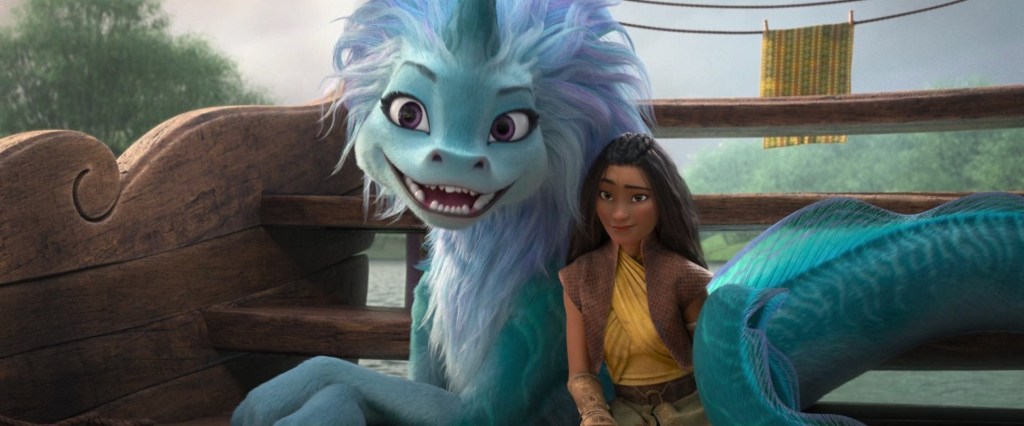
Another successful road trip story from Disney Animation, with an important message about trust. Improving upon Asian representation in Mulan, the mishmash of various Southeast Asian cultures feels cohesive to create the city of Kumandra. The titular protagonist is an independent and fierce warrior who learns about trusting others. Sisu the water dragon may initially seem like a discount Genie, but she evolves into a unique comic relief. Namaari is the right balance of straightforward Disney villain and sympathetic antagonist, with her hatred for Raya holding plenty of emotional weight. Even with comic relief like Sisu, the film has an overall serious tone and is among the most sophisticated in terms of Disney princess films. Like more recent Disney films of its era, the progressive elements are executed well and do justice to the concept of “show, don’t tell”.
- Peter Pan (1953) = 9/10
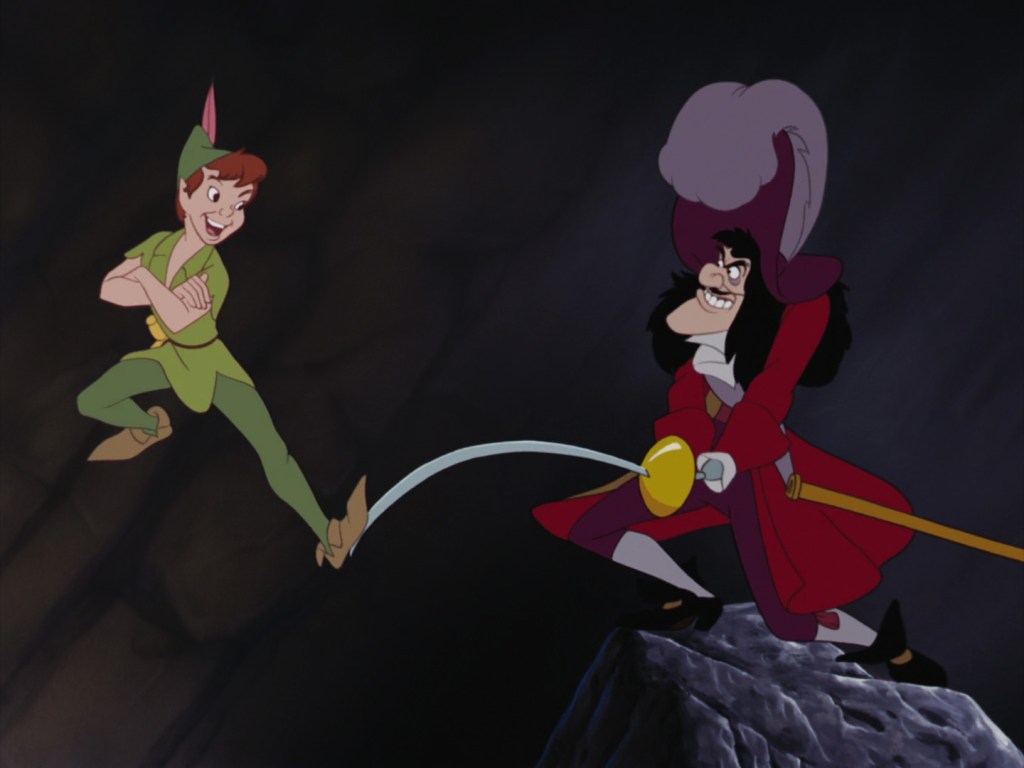
A beloved Disney classic that still reflects the magic of the childhood experience, even with some problematic elements. The titular character is a likable hero and a child-at-heart, with the simplistic Darling children joining in the escapades and being reflective of the viewer’s inner child. Captain Hook is a comedic but sinister villain, as his motive is more justified in comparison to other Disney villains. Never Land is visually captivating with diverse colors and different terrains to distinguish the different areas and inhabitants. The only thing keeping this film from being truly timeless is the blatant racism towards Native Americans, along with a few lines of sexist dialogue. While the musical numbers are still great, they’re on the lower end of classic Disney songs asides from “You Can Fly!” and “The Second Star to the Right”.
- Pinocchio (1940) = 9/10
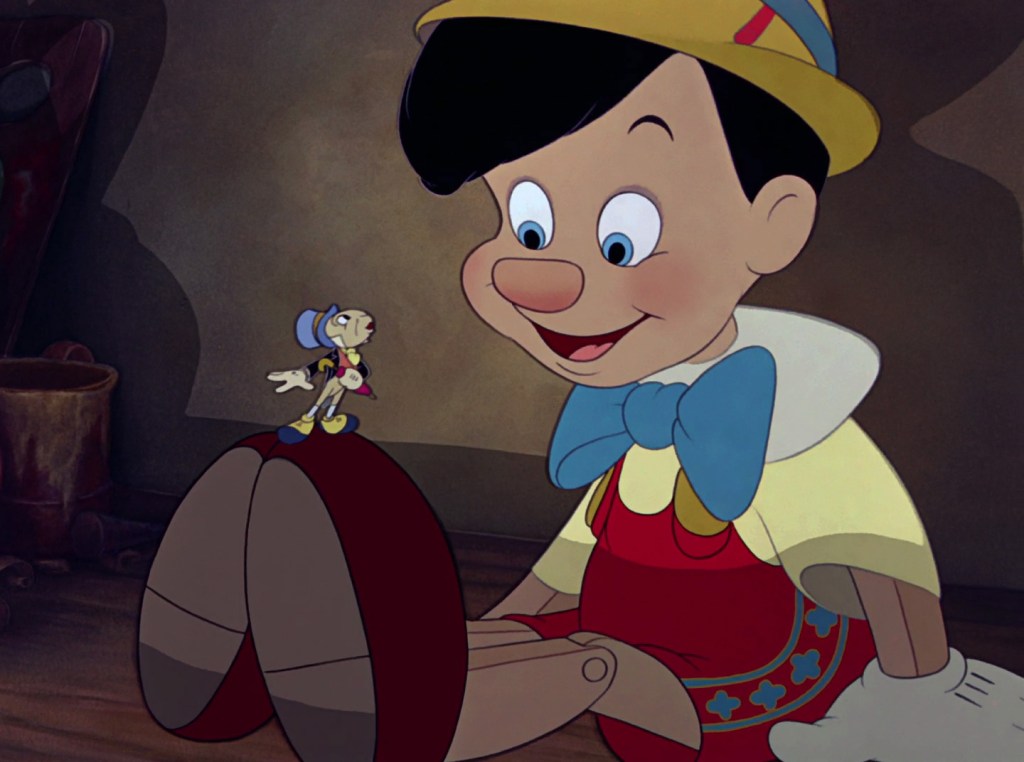
Walt Disney felt the need to push the boundaries of animation with this film, and all that effort holds up decades later. The titular wooden puppet is a great blank slate, as he gets to discover the rights and wrongs of life, with Jiminy Cricket being a level-headed secondary character that is reflective of our own conscience. Like other early Disney films, there’s simplistic storytelling to help elicit emotion. In addition, world-building manages to balance its fantastical and realistic elements. The darker tone in comparison to later Disney films makes it stand out, with disturbing scenes such as the donkey transformations and the climax with Monstro the whale still leaving an impact. All of the songs, including the iconic “When You Wish Upon a Star”, are classics and deserving of Disney’s first competitive Oscar wins in music.
- Winnie the Pooh (2011) = 9/10
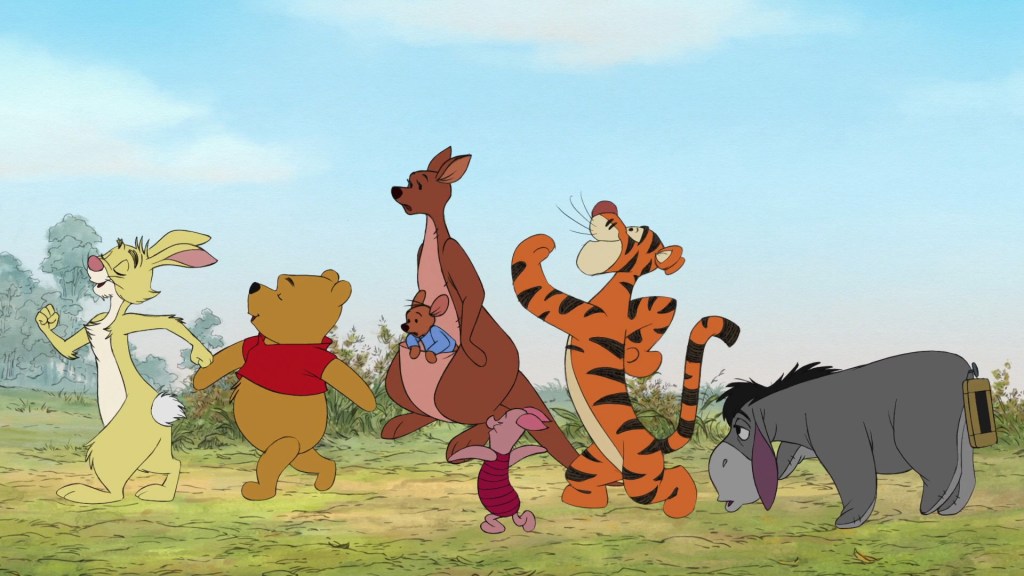
Despite being a rehash of the 1997 direct-to-video film Pooh’s Grand Adventure, this film manages to recreate the charm of previous Winnie the Pooh outings. There are a couple of problems in the film outside of the rehashed plot, including the short length (63 minutes long) and the odd structure of the various plot points. With that being said, the characters continue to be as charming as ever, even with some changes to the voice cast. The animation recaptures the magic of the past Pooh films and books, along with the continuation of the fourth-wall humor. Before making waves with their songs from Frozen, Robert and Kristen-Anderson Lopez created the songs for this film and managed to recreate the spirit of the Sherman Brothers’ musical numbers despite some of the shorter songs not having the same impact.
- Wreck-It Ralph (2012) = 9/10
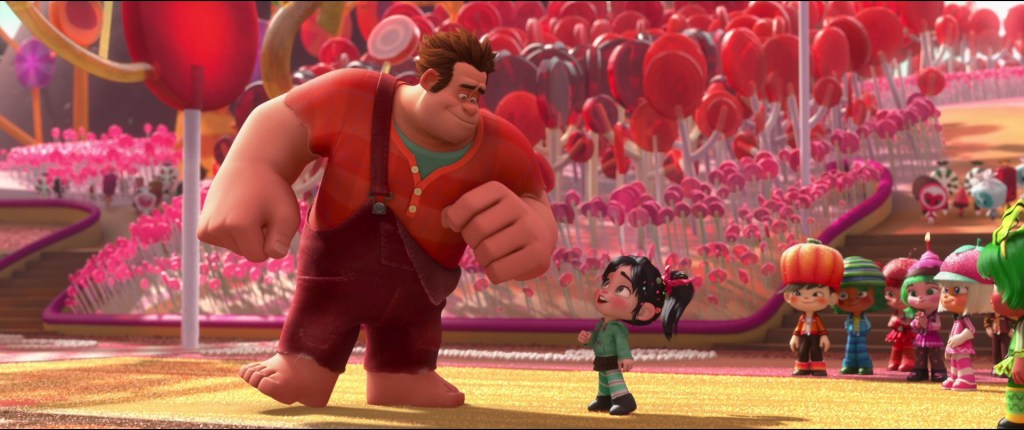
A modern Disney film that proved Disney could tell quality stories outside the realms of fairy tales and classic novels. One of the few original animated Disney films, it tells a heartwarming story about appreciation and being proud of who you are as a person. Ralph is a lovable protagonist and has an arc that juxtaposes cleverly with a memorable twist villain with a compelling backstory. The original video game universes are executed very well, as they feel unique while feeling similar to other established real-world games. This film is also one of the most ambitious in terms of world-building, with Easter eggs and video game character crossovers. Visually, this film takes advantage of video game aesthetics and makes the various video game characters feel connected while having different designs reflective of their game.
- The Lion King (1994) = 9/10
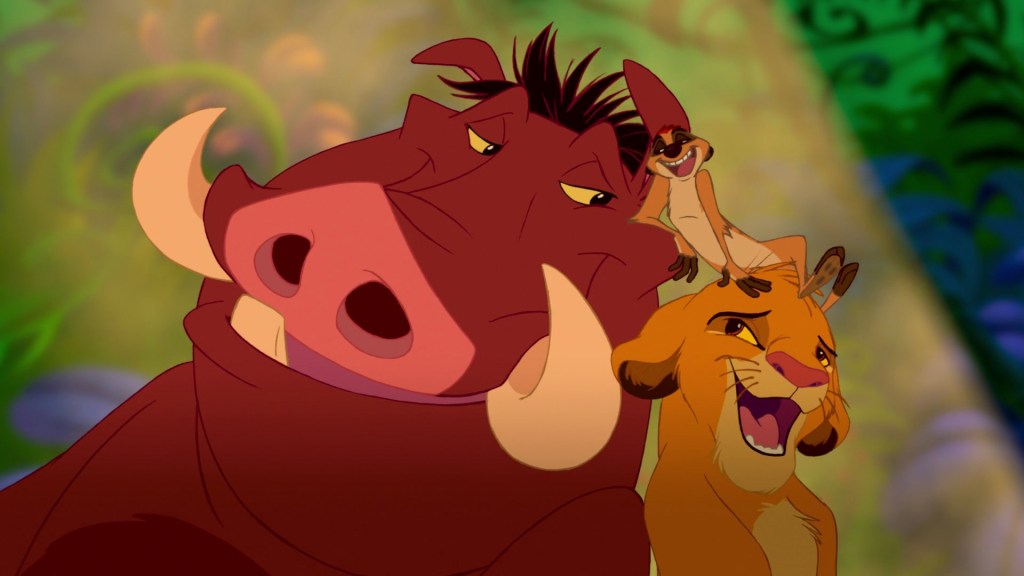
The most successful Disney film of its time, this film is nothing short of iconic, even if the overall product does have some minor flaws. All of the characters are easily memorable and have their own time to shine, despite some of the characters being slightly annoying at certain points. The large scope and stakes create some of the most emotional and epic scenes in a Disney film, particularly with Mufasa’s death and the opening “Circle of Life” scene. While the hero’s journey arc is done well, the writing isn’t as strong in comparison to other Disney classics. More than any other film in the animated canon, this film feels the need to have toilet humor, and it’s hit-or-miss when it happens. The five songs from Elton John and Tim Rice are instant classics, along with the vibrant visuals that emulate African scenery with ease.
- Zootopia (2016) = 9/10
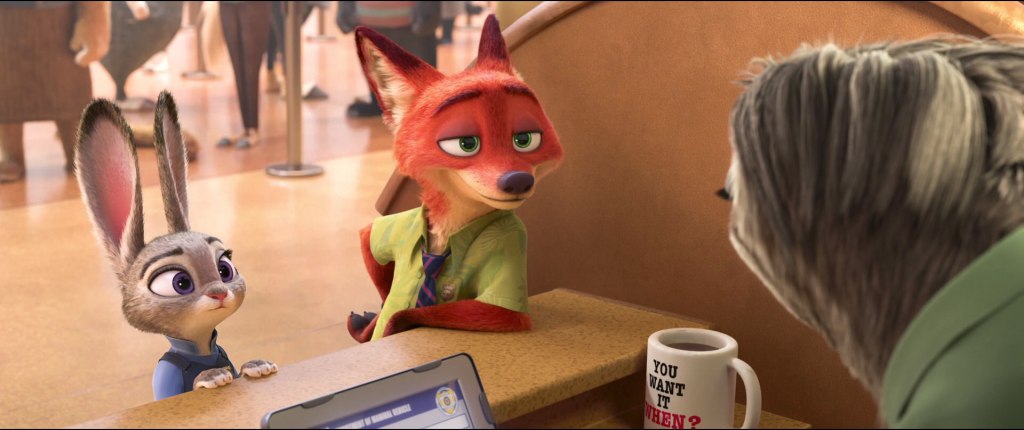
Disney continues to push the boundaries of their storytelling, with this film’s handling of racism being a major improvement in comparison to Pocahontas. It’s great to see this film portray the complexities of racism in a way that feels understandable towards all ages. Nick and Judy both work well together, with both characters having their own personal experiences with discrimination. While the twist villain is revealed very late in the film, their twist does have some connection to the larger theme but could have been fleshed out more. Other noteworthy themes include a sense of optimism and the desire to persevere despite societal and structural setbacks. Despite the more outlandish style and anthropomorphic characters, the visuals have plenty of realistic details and showcase the ongoing evolution of CG technology.
CONTINUED IN PART 3 FOR #20-1
 Kenneth's Myriad of Media Blog
2 thoughts on “Walt Disney Animation Studios: Worst to Best (Part 2)”