LAST UPDATED: November 2021
CLICK HERE FOR PART 2 AND PART 3
There’s no animation studio quite like Walt Disney Animation Studios. Producing feature-length films for over 80 years, the studio has endured some of the best and worst instances of current events, while also evolving their craft from a storytelling and technological standpoint. The timelessness of many of these films is unique and resonates with viewers of all ages. In comparison to my individual opinions of Pixar films, my opinions on some of these films tend to be different from the popular opinion, in both major and minor instances. However, most of these films are worth at least one watch.
- Dinosaur (2000) = 3/10
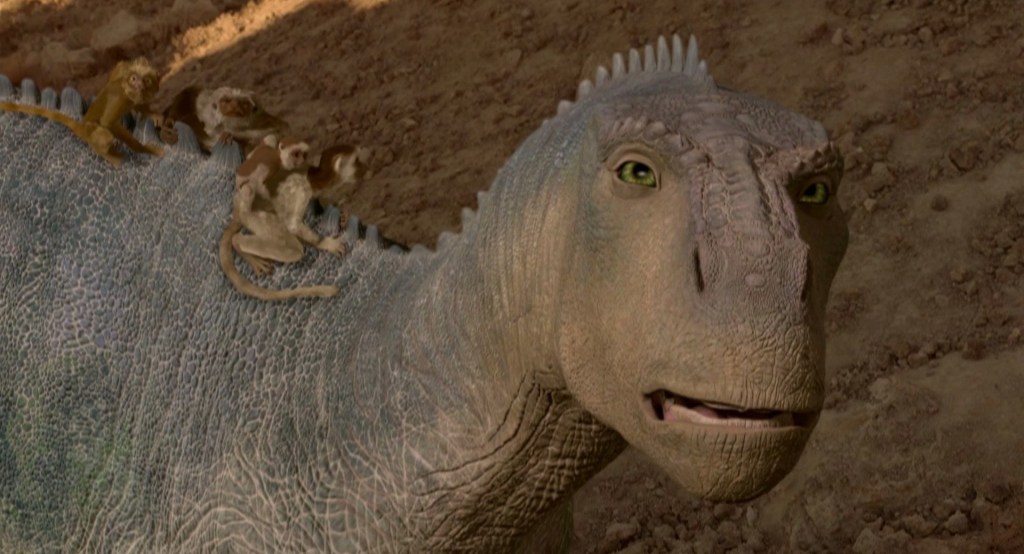
The worst film from Walt Disney Animation Studios happens to be their most boring. While there is some level of admiration due to its combination of CG characters and live-action backgrounds, it doesn’t make up for stale storytelling or forgettable characters. All the characters are one-note with vocal performances that lack any sort of charm, while its survival story is relatively stock outside of featuring dinosaurs. While the amount of effort in making the visual feel realistic is notable, it creates a problem of making the film look so visually bland and contributes to the boring ambiance (asides from the beginning and ending scenes). Another noble effort is the attempt to be more mature with fight scenes and an instance of blood coming out, even if those efforts fall flat, becoming one of Disney’s various risky missteps.
- The Rescuers (1977) = 4/10

While this film may have seemed like a glimmer of hope back in 1977, that glimmer has since changed into something that lacks fun and magic. While a story involving the rescue of a young girl should be interesting, the storytelling and atmosphere give off a depressing vibe that makes the film feel boring and tedious. Some of the slapstick humor is engaging, but it feels out-of-place and detracts from the dramatic ambiance established by the visuals and the lack of bright colors. Bernard and Bianca are decent characters, but the rest of the cast is rather bland, generic, or inferior versions of better Disney characters (most notably with Madam Medusa). The main saving grace of this film is the musical numbers, even if they’re not among Disney’s best, particularly the Oscar-nominated “Someone’s Waiting for You”.
- Bolt (2008) = 5/10
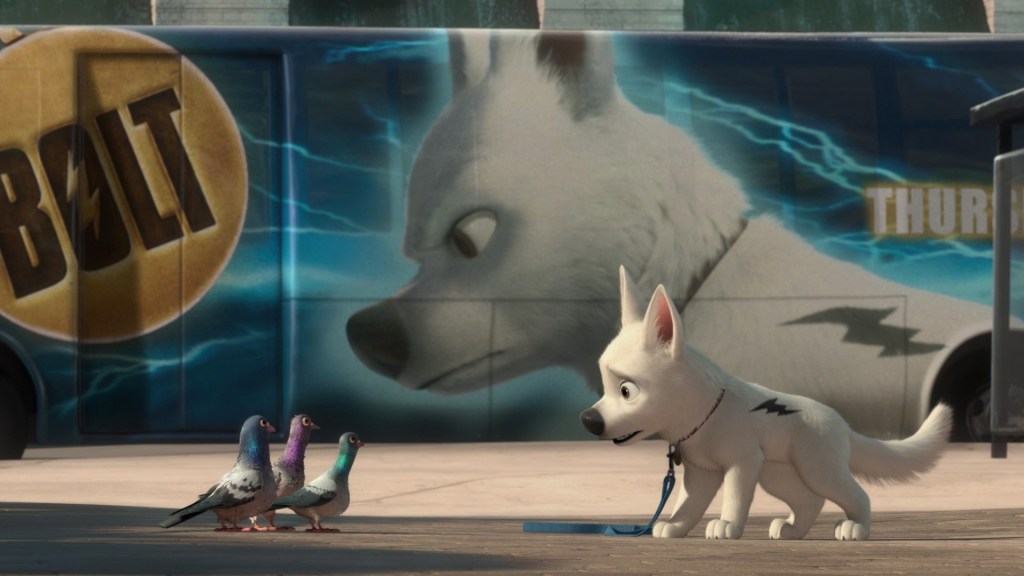
Out of all the animated Disney films, this one feels the least Disney, particularly with the character designs. While the character designs of the animals may feel like Disney, the human characters seem to resemble more along the line of DreamWorks characters. The plot follows the generic road trip story, with the mishaps and journey feeling stale and forgettable. While Bolt, Mittens, and Rhino have some likeability and chemistry, their personalities don’t enhance the film. Meanwhile, all the other characters are as forgettable as the journey. The premise is somewhat unique, and creates a convincing reality check for Bolt, but ends up creating a generic arc that lacks emotional weight until the climax. Despite being a critical success upon release, it’s been overshadowed by better and more memorable Disney films.
- Chicken Little (2005) = 5/10
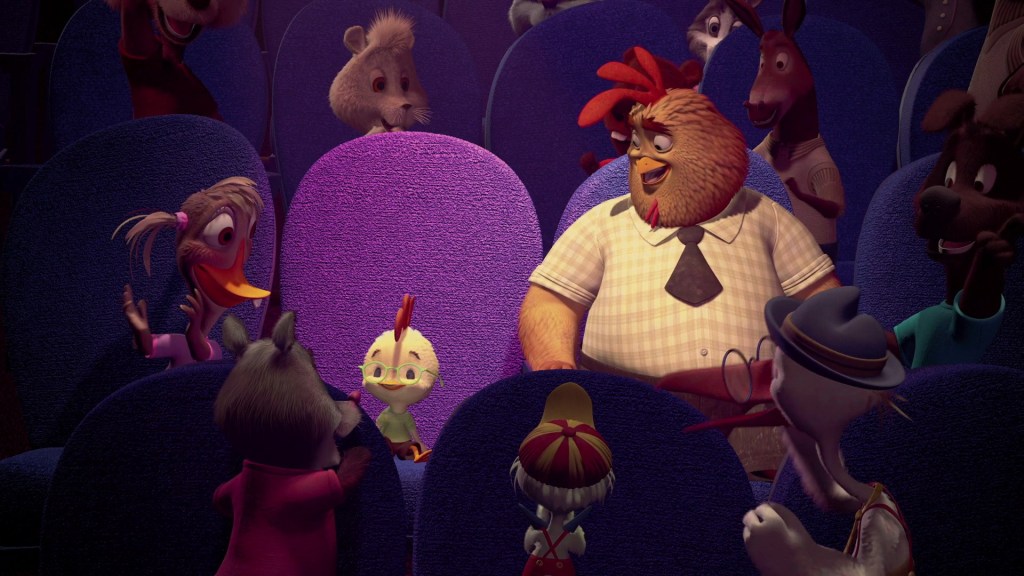
This film is what happens when Disney tries to make a film that attempts to deviate from the Disney formula for the sake of standing out. Buck Cluck is a terrible father, and his desire to mend the father-son relationship with his son feels disingenuous. Chicken Little and his entourage may be somewhat likable on their own, but most of their appeal comes out of pity from the constantly mean-spirited sentiment from the rest of the town. The worst part of the film is the attempts at humor that come in the form of outdated and out-of-place pop culture references. In addition, the use of pre-existing pop songs also detracts from the timelessness (even if those songs are good on their own). While the animation and visuals are somewhat good, the textures on the characters don’t look polished and feel outdated nowadays.
- Treasure Planet (2002) = 6/10
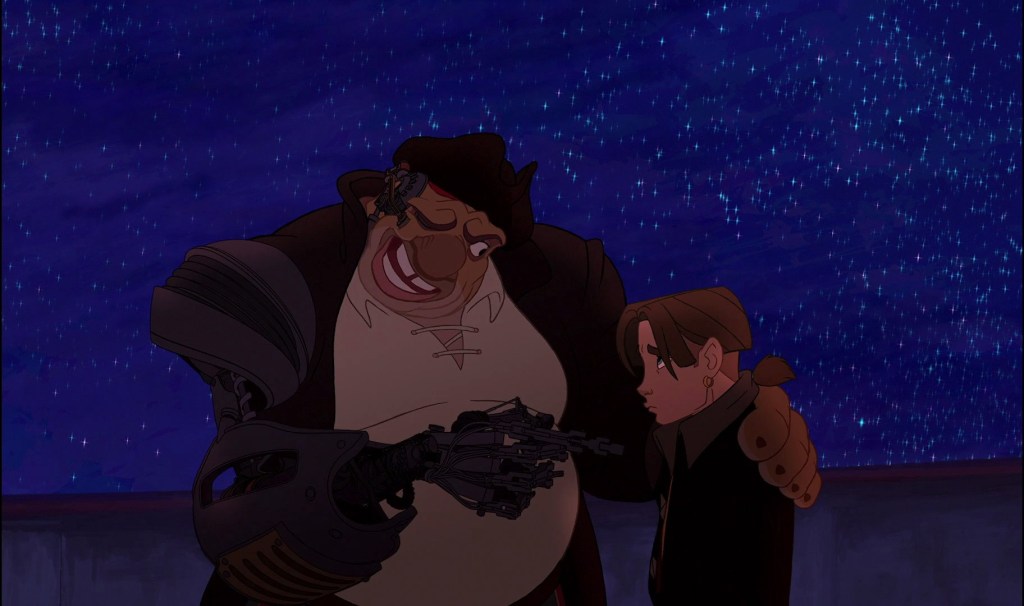
While many Disney fans consider this film an underrated gem, I personally disagree and understand why it flopped at the box office. The fusion of steampunk and 19th-century aesthetics is clever but it also feels awkward. Unfortunately, most of the characters are rather forgettable or slightly annoying, despite some of the names in the voice cast. Jim Hawkins is an obvious 2000s stereotype and tries too hard to appear “cool”. The only good character is Long John Silver, as he’s a convincing father figure for Jim while also being a unique “twist” villain and having plenty of charm. The storytelling isn’t very engaging outside of Sliver’s character arc. One worthwhile element is the visuals, as the animators managed to create impressive planets with plenty of detail to stomach the awkward combination of the past and future.
- The Black Cauldron (1985) = 6/10
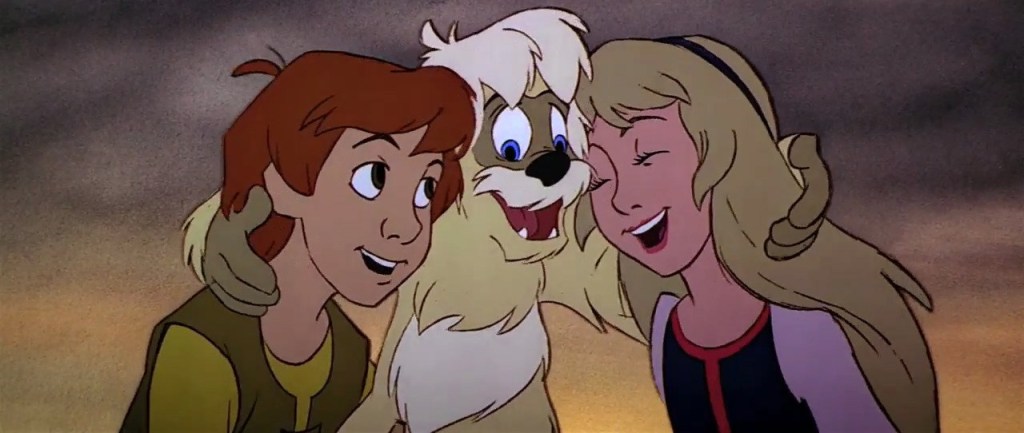
The “black sheep” of the Disney animation library, this film is ambitiously dark but fumbles in creating worthwhile characters and lacks solid writing. Taran is a bland protagonist while the Horned King is a mediocre villain with an awesome design. The character dialogue isn’t much better, with generic phrases that do nothing to make the characters memorable. The dark atmosphere from the visuals is the highlight of the film, even if parts of the film are visually unappealing from the use of too many dark colors. As the first animated Disney film with no musical numbers, it allows the score to shine despite not being among Disney’s best. In an instance where Disney was desperate to get out of their animation comfort zone, they forgot about the importance of quality storytelling and history would repeat itself with Chicken Little.
- Sleeping Beauty (1959) = 6/10
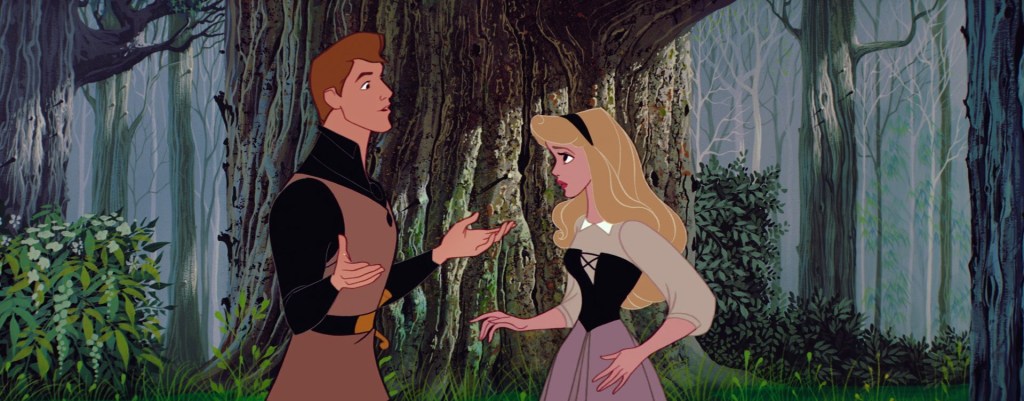
Simplicity is not an easy feat for a film when it also has to be emotionally engaging. Unfortunately, this film can’t quite master being simple and emotionally engaging like other Disney films. It’s bad enough when the main leads are so generic and lack any personality outside of their stereotypical roles. At least the fairies and Maleficent somewhat make up for the blandness of Aurora and Phillip. Like Cinderella, this film feels the need to focus on the engaging side characters over the leading lady, with a story that feels like it’s dragging along through detours. Even with its shortcomings in character development and storytelling, the visuals are very unique and among some of the best from the studio. In addition, the music from the source material is adapted well with memorable songs that helps make the film somewhat enjoyable.
- The Aristocats (1970) = 6/10
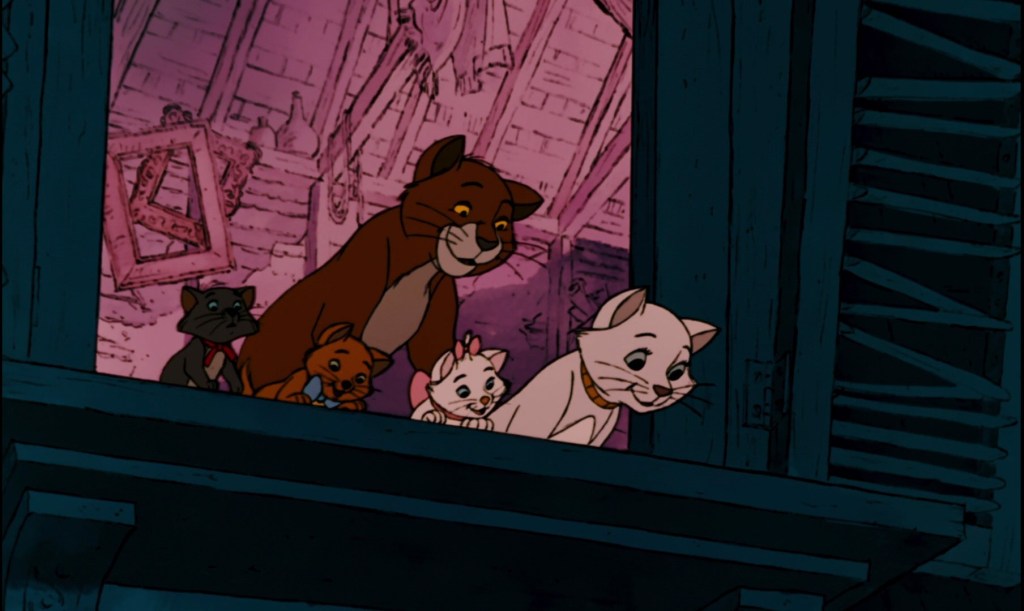
Hard to say if “everybody wants to be a cat” after watching this film. All of the cats are decent, simplistic characters that reach the bare minimum of likeability, while Edgar the butler doesn’t go far enough in being either threatening or funny. The journey that the cats embark on to get home feels more like fluff rather than something significant. While most of the films from this era had episodic plot structures, this film makes that structure glaringly obvious, as there’s a lack of effort in creating a linear experience. The slapstick humor is executed decently enough, while the visuals are good for the time with the occasional intricate details. Like many animated Disney films, the musical numbers are a highlight, despite three different sets of songwriters and composers working on the musical numbers.
- Atlantis: the Lost Empire (2001) = 6/10
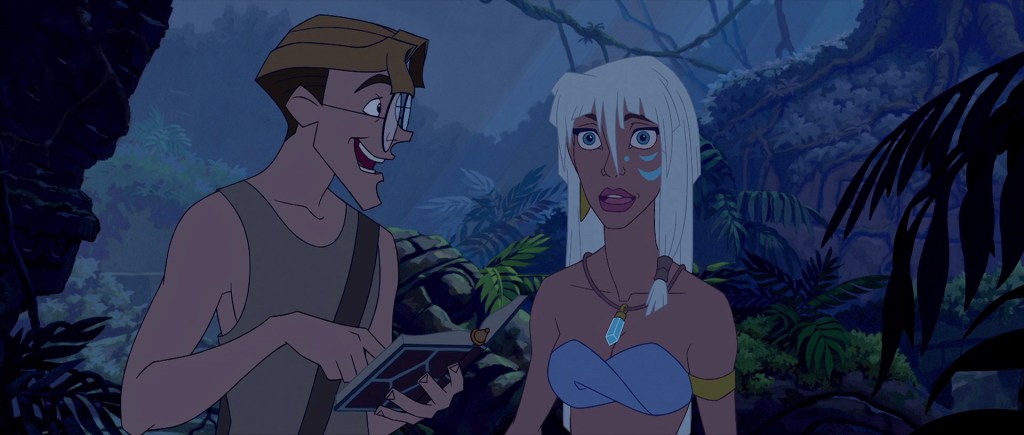
An ambitious film with impressive visuals that is weighed down by its shortcomings in writing and character development. Milo is a generic geek with dialogue that makes it glaringly obvious, while most of the other characters feel one-note. However, this film has one of Disney’s best female characters, Kida. Kida’s combat skills are impressive, along with her dedication to her people and having a sense of curiosity. Unfortunately, the storytelling isn’t that amazing, with writing that doesn’t match its mature ambitions. One advantage that this film has over some of the other films of the era is impressive world-building, symbolized by the Atlantean language created for the film. Even with less than impressive characters and writing, the visuals are impressively unique and take advantage of the technology at the time.
- Meet the Robinsons (2007) = 6/10

The film’s message of “keep moving forward” is admirable, but the execution is a confusing mess. The main issue is the pacing, as a lot of the humor comes and goes too quickly while the slower moments don’t have enough time to shine. Most of the characters (including protagonist Wilbur Robinson) aren’t very memorable or come across as one-note despite some of the unique character designs. In contrast, Goob/Bowler Hat Guy has an interesting character arc that cleverly ties back into the overall theme and his relationship to Lewis. The plot isn’t all that focused either, with some elements such as the futuristic climax feeling unnecessary. At least some of the emotional moments and Lewis’s character arc do their best to convey the film’s theme. Visually, this film stands out with its distinct interpretation of the future.
- Brother Bear (2003) = 7/10
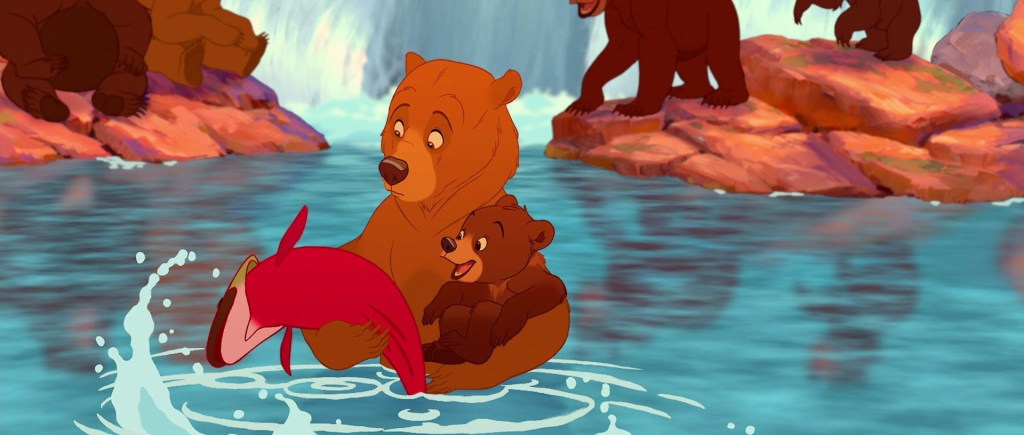
A film that starts and ends impressively, but is weighed down by elements sandwiched in the middle. The overall narrative has a level of maturity along with some cultural world-building and a theme of compassion. However, that maturity gets thrown away once Kenai turns into a bear and doesn’t return until the climax. The middle takes the shape of a generic road trip story that lags in certain points, combined with entertaining characters that damage the tone along with less-than-timeless writing. While the overall quality may not be consistent, the visual quality is solid throughout the entire film, as it incorporates native imagery and a variety of colors. Phil Collin’s songs are also good (particularly “On My Way” and “Welcome”) as Collins incorporates other artists, but they aren’t as strong as his songs from Tarzan.
- The Fox and the Hound (1981) = 7/10
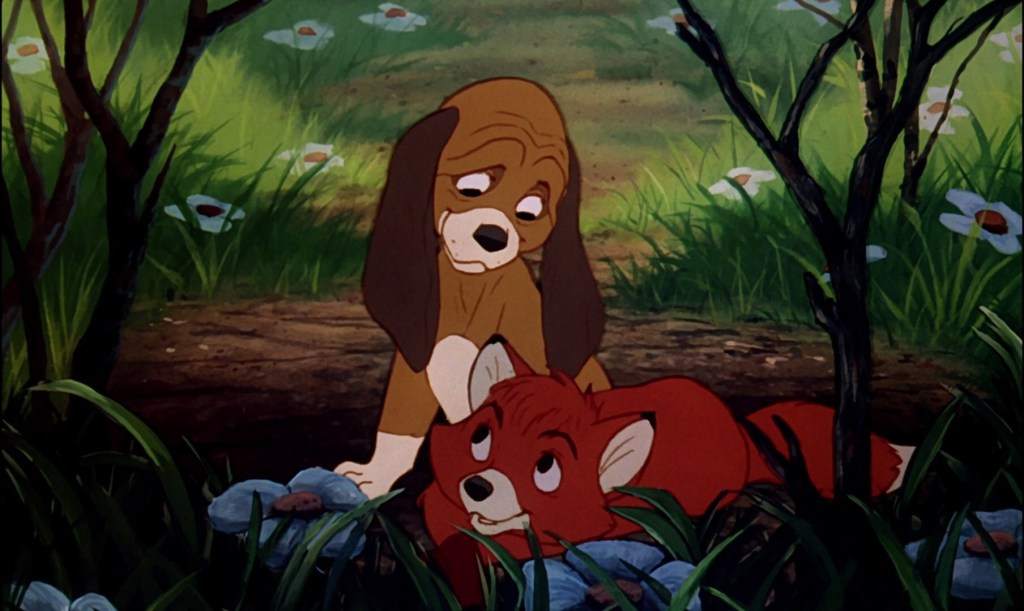
This film tries too hard to recreate the emotional weight and realism of Bambi and ends up only being somewhat successful in that mission. What it lacks in recreating the vibes of Bambi, partially makes up in telling a solid story about prejudice and forced roles in society. The cuteness and chemistry of Tod and Copper help elevate the emotional moments while the rest of the cast ranges from good to serviceable. There are notable instances of fluff (among other pitfalls of emulating realism), but the action scenes are engaging and juxtaposed properly against some of the slower scenes. While the film tries to make the conflict feel natural like Bambi, the execution feels forced and needed instances of “show, don’t tell”. Outside of “Best of Friends”, all the songs are forgettable and the musical ambiance doesn’t stick out much.
- The Jungle Book (1967) = 7/10
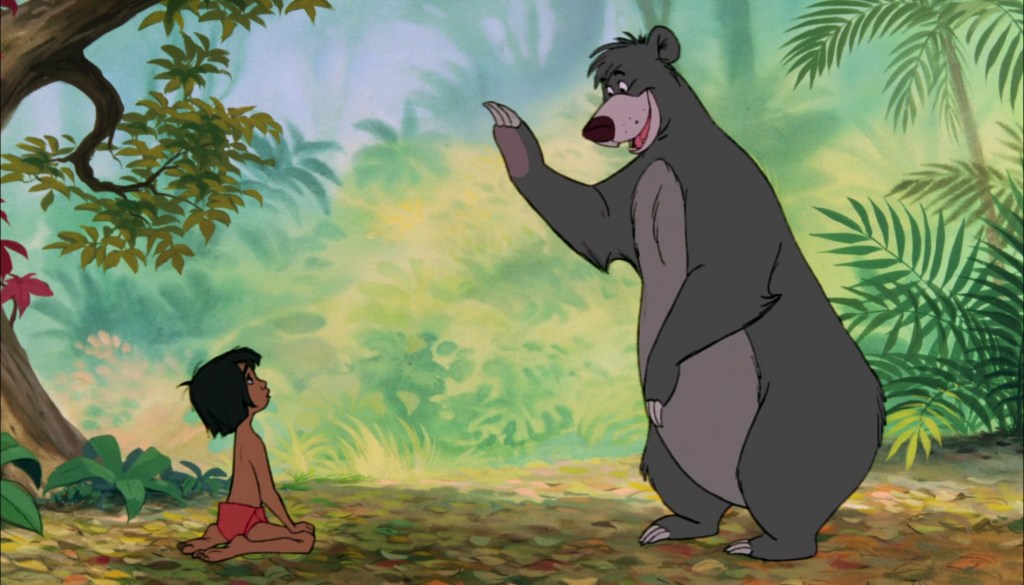
While this may have been Walt Disney’s last animated film, the storytelling, and overall product are far from the best work during his lifetime. Unlike The Sword in the Stone or Robin Hood, the episodic structure is harder to integrate properly due to the high stakes of Shere Khan’s impending return and the plot tends to gradually drag to the point of dullness until the climax. All the major characters are plenty of fun with solid chemistry, and some of the secondary characters have their memorable moments. As with many songs from the Sherman Brothers (along with Gilkyson’s “The Bare Necessities”), the songs from this film are classic and worth listening to on their own. In comparison to the other xerography films of the era, this one feels more polished in the visuals while also recreating the jungle ambiance with ease.
- Make Mine Music (1946) = 7/10

The first of two spiritual successors to Fantasia, this film feels relatively disjointed with the quality of the individual segments also being inconsistent. Out of the ten segments, some are instant classics (“The Whale Who Wanted to Sing at the Met” and “Johnny Fedora and Alice Bluebonnet”) while others are notably boring (“Without You” and “Two Silhouettes”), with the rest falling somewhere in between. Despite the connecting theme of music, the branching elements feel basic and not as cohesive as Fantasia (or even Melody Time). There are also variations in the visuals, with some segments going for slapstick humor and others being more grounded in reality, but all of the segments look appealing on their own merits. There’s bound to be more appeal towards individual segments over the film as a whole.
- The Great Mouse Detective (1986) = 7/10
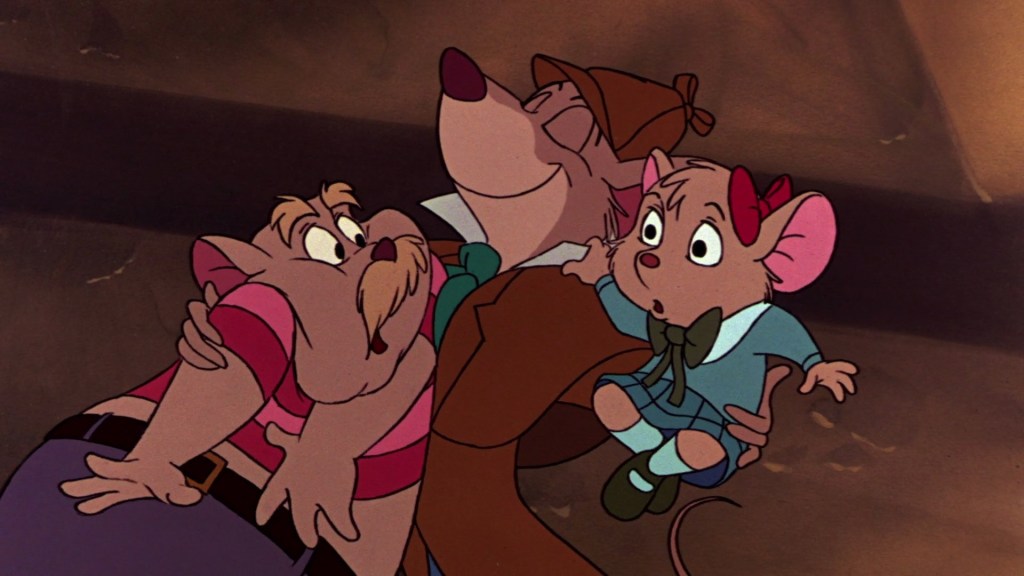
A modest Disney film that was successful enough to reignite interest in Disney animation and lay the groundwork for future films. The hero and villain are the best part of the film, with the right amount of arrogance on both sides. Basil is a compelling detective that takes pride in his intellect and Ratigan is a loveable self-absorbed villain with an underrated villain song brought to life perfectly by Vincent Price. While the rest of the characters have moments to shine, they don’t have much of an impact. The storytelling is satisfactory, as there isn’t too much deviation from other Sherlock Holmes-type stories. Unlike The Rescuers, this film doesn’t go too far in creating a mysterious atmosphere, leading to a better visual experience. With the help of CG, the climax in Big Ben is an impressive feat of animation and action.
- Bambi (1942) = 8/10
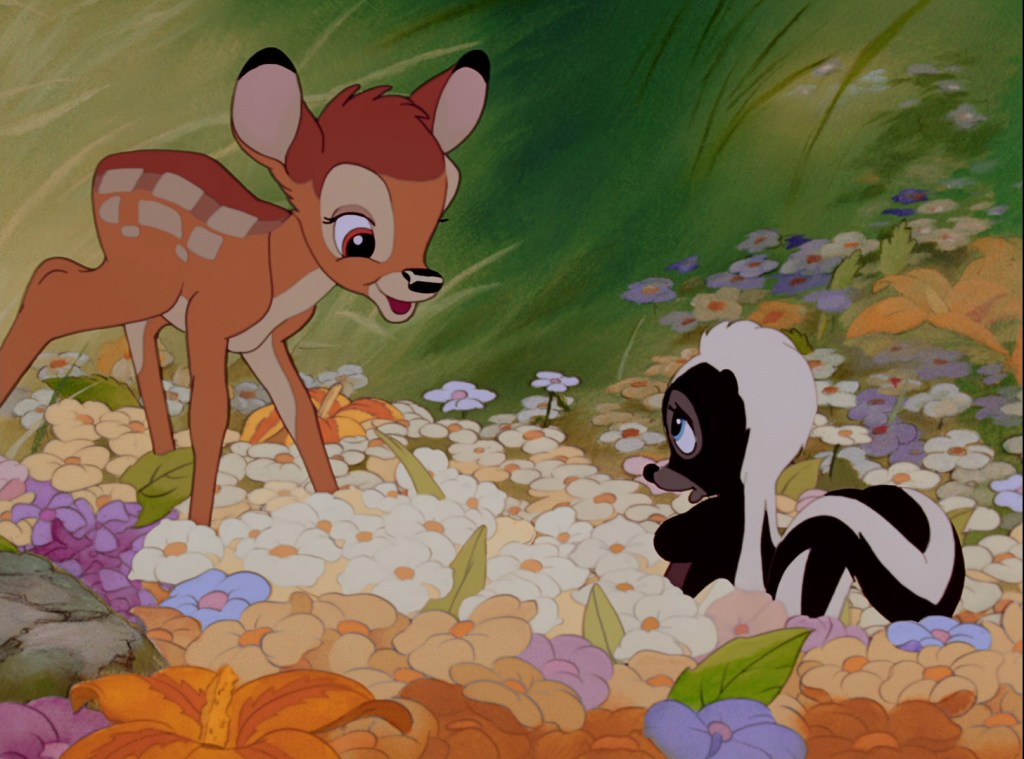
Walt Disney managed to create an animated film that flawlessly emulated the structure and realism of life, even if it hinders this film’s overall enjoyment. The problems of emulating realism are notable here, as some of the slower moments feel more like fluff rather than having importance. In addition, the more lighthearted moments feel a bit too saccharine, but it does help with making the dramatic scenes more impactful. Bambi, Thumper, and Flower are likable characters, even if their cute personalities can get somewhat tiresome and persist until they become adults. Like the other films of its era, the visuals are extremely beautiful and detailed. One positive aspect of emulating realism is the emotional weight of the exciting moments such as the brutal climax and the famous scene involving the death of Bambi’s mother.
- Hercules (1997) = 8/10
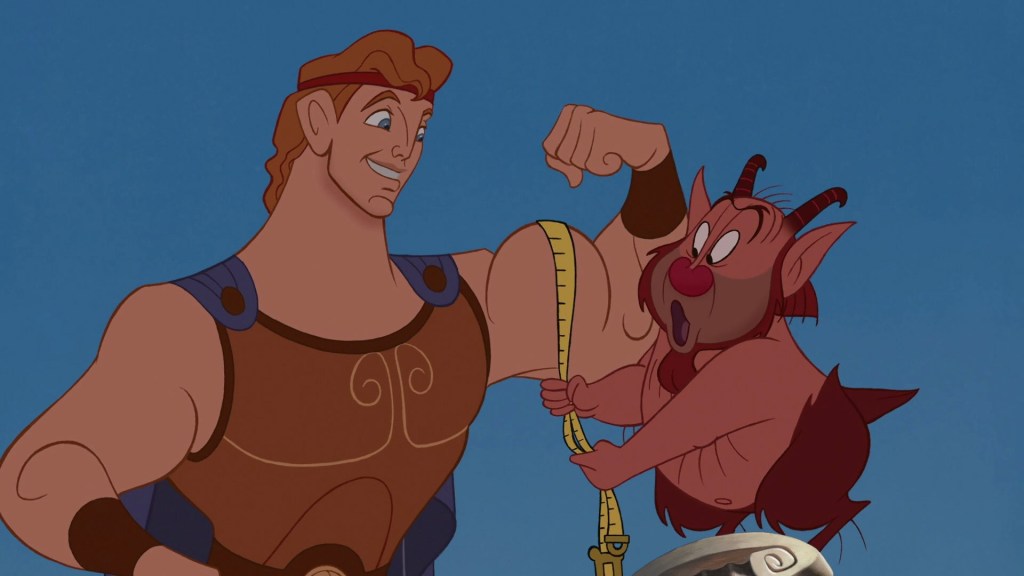
The weakest of the Disney Renaissance films, even if there’s a good amount of entertainment value. This film feels like an inferior version of Aladdin made more obvious with both films having the same directors. While somewhat engaging, Hercules is going through the basic hero’s journey along with having disjointed internal and external conflicts. The film manages to have two standout characters: Meg (a sassy smart-talker) and Hades (a memorable comic relief villain). While the writing is strong in humor, there’s a heavy reliance on modern references, which detracts from the film’s immersion and timeless value. The music and songs are outstanding, even if the genre choices for some of the songs clash with the Greek ambiance. Gerald Scarfe’s interpretation of Greek imagery is visually unique.
- Cinderella (1950) = 8/10
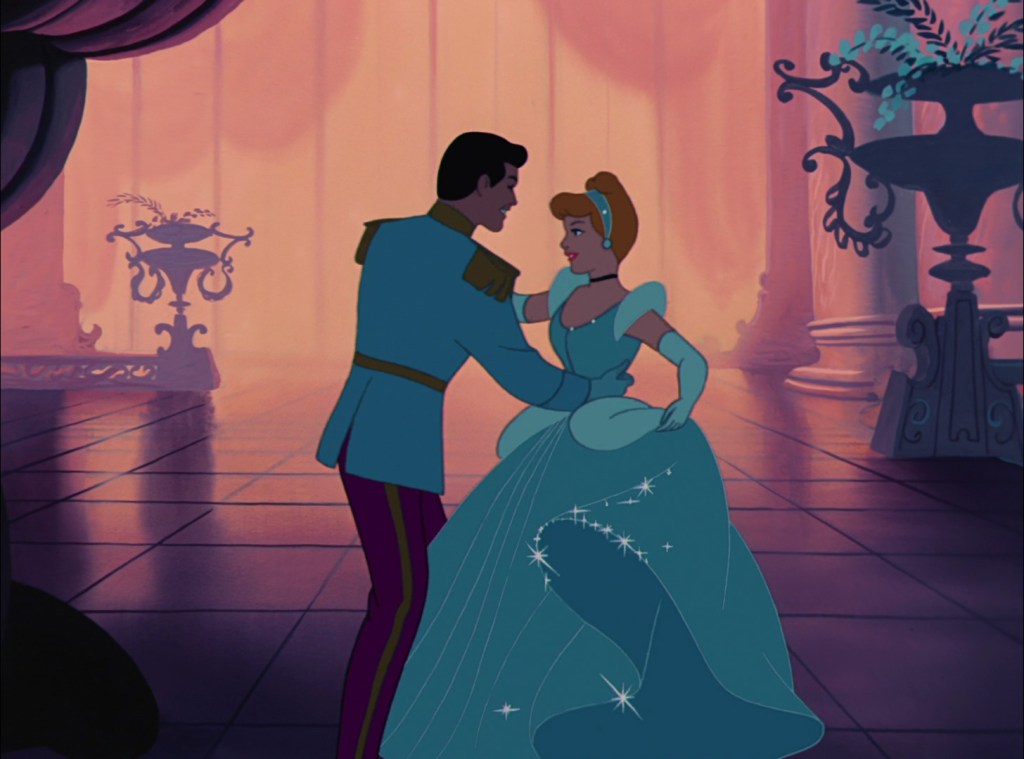
A return to form for Disney, this fairy tale adaptation manages to recapture some of the magic that made Snow White so enjoyable. As it would be a trend that progressively became worse in each of the three classic princess films, this film feels the need to focus on the side characters over the main heroine. While some scenes could be shortened or removed, at least some of the mice scenes do have significance to the plot. Out of the three classic princesses, Cinderella has the most amount of personality and established the “Disney Princess” archetype. Lady Tremaine is an amazing villain due to her evil nature being grounded in reality, unlike most other Disney villains. Like many classic Disney films, the animation is a labor of love with plenty of details, along with the enjoyably timeless musical numbers.
- Tangled (2010) = 8/10
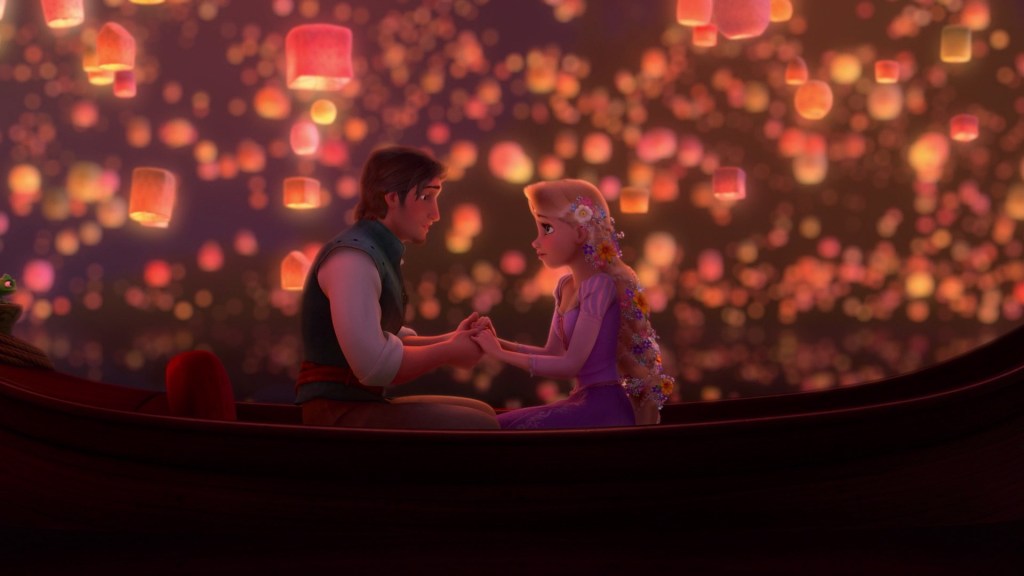
Recently, Disney has been busy telling stories that reflect progressive values, with this film being a nice starting point in terms of their CG films. Rapunzel is a compelling and energetic protagonist that feels in line with other Disney princesses, while also having chemistry with the equally compelling Flynn Rider. Despite Rapunzel’s character getting a modern update, this film’s storytelling doesn’t offer much else in making her story feel special. While everything objectively works, the execution lacks the magic of other Disney classics. It’s nice to have Alan Menken return to produce the songs of the film, though his songs in this film aren’t his best work asides from “I See the Light”. Fortunately, Rapunzel’s Tangled Adventure would improve on the world-building and storytelling of the Tangled universe.
- Lilo & Stitch (2002) = 8/10
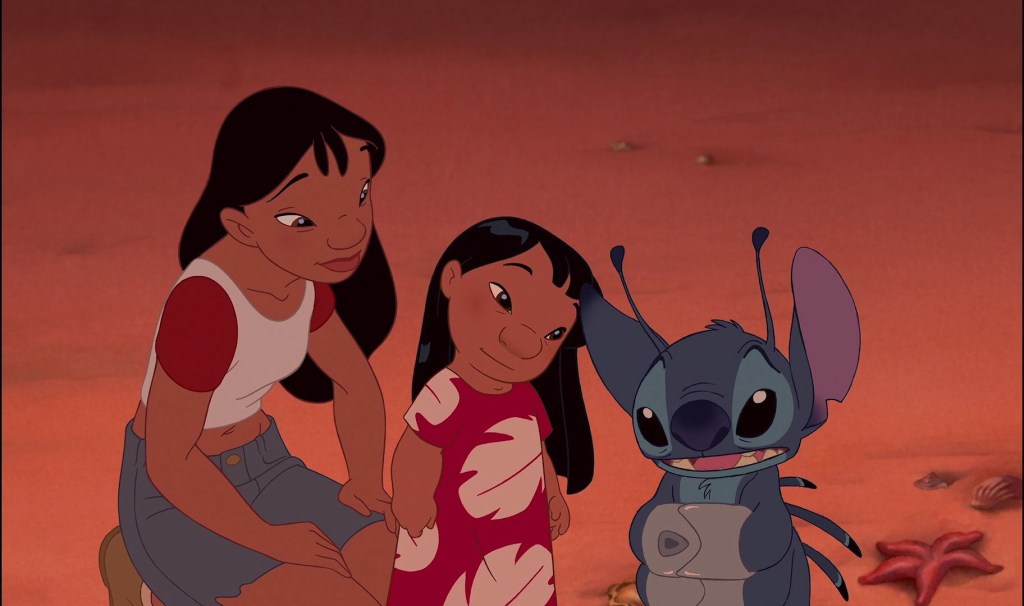
The combination of storylines involving sisterly love and a runaway alien is somewhat meshed together impressively, though not perfect. The bond between Nani and Lilo is strong, with the return of emotional weight that was lacking in some of the other films of its era. On the other hand, Stitch’s storyline is entertaining but occasionally detracts from the focus on Nani and Lilo. Hawaiian culture can be seen in minor instances throughout the film, mainly through some of the musical numbers. The use of watercolor backgrounds is a nice change and creates simplicity in comparison to the futuristic elements. While most of the other films from its era failed in storytelling and characters in attempts to break the Disney mold, this film manages to break the mold while being effective in the areas that make Disney films memorable.
CONTINUED IN PART 2 FOR #40-21
 Kenneth's Myriad of Media Blog
2 thoughts on “Walt Disney Animation Studios: Worst to Best (Part 1)”